
April is National Poetry Month and it’s the perfect time to read, write, and celebrate our favorite verse.
Poetry is a celebration, a criticism, a cry into a void. It’s the words that shape our relationship to the world around us – that show us ourselves in a new light. It’s deeply connective and wildly intimate. Poetry is an extension of the self and therefore our experience with it is always personal.
Discovering Poetry
As readers, we have our own unique relationship with the poets that speak to us at specific points of our lives. The poems that remind us who we are (or were) in that moment. The books we reach for when we’re in a bad mood and want to rage with someone. The poems that hold us as we ride waves of grief. Poems that speak of war and reunion, of loss and remembrance, of hope, desire, nature, rebirth.
Raw or lyrical, narrative or surreal, sincere or fantastic – poetry moves us by mirroring the universal truths that linger around us in all their forms. In the spirit of celebration, I decided to look back at the writers and work that helped form my own poetic voice.
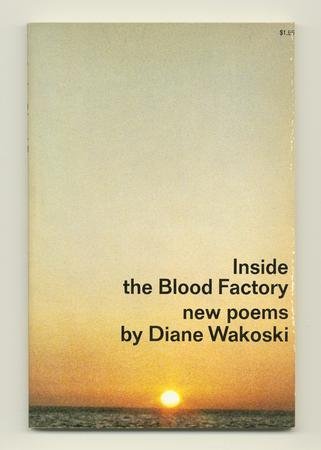
I spent my teenage years in South Florida pouring over Sylvia Plath, Diane Wakoski, and Anne Sexton – dynamic, vibrant writers that intertwine personal mythology with confessional poetry. The women who taught me that I’m the only one who can tell my story. They compelled me to trust my instincts, to take chances. To lean into my experience as a woman instead of considering it a hinderance. They gave me the courage to put it all down on the page – and the will to make it sing.
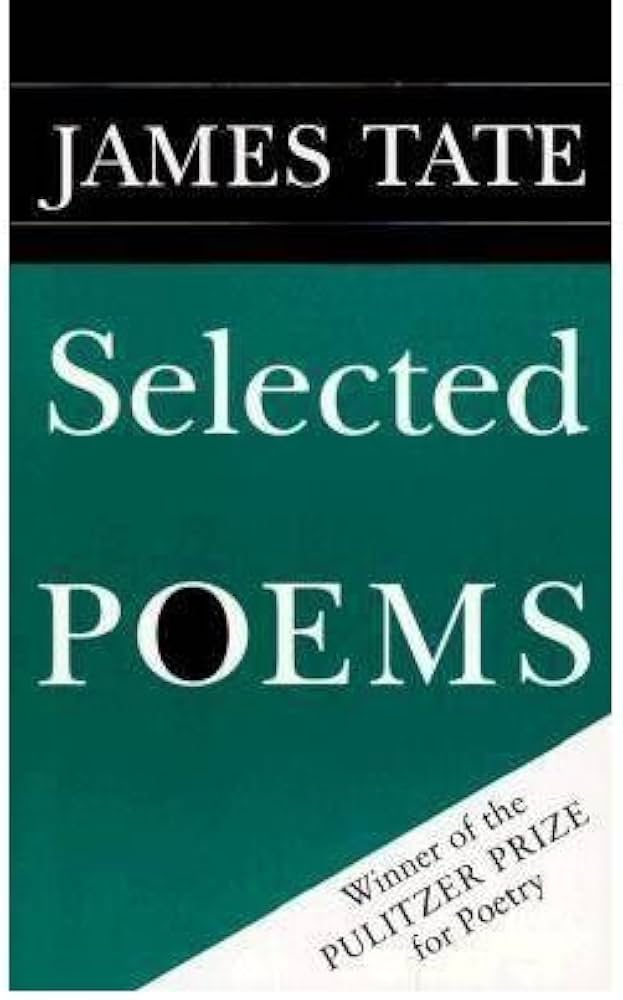
When I moved to New York as an undergrad, I dove into the beloved academic poets of the Northeast – John Ashbery, Frank O’Hara, Robert Creely, James Tate. There was a playfulness with form and a subversion of style that felt effortlessly cool. Poems that cut through the noise to broadcast urgency. Poems that move through the absurdities of the world. I swooned at the strength and queer beauty of Adrienne Rich and Audre Lorde, and found new obsessions in modern poets like Anne Carson and Nick Flynn – each of them mediums skilled at channeling the complexities of the human experience.
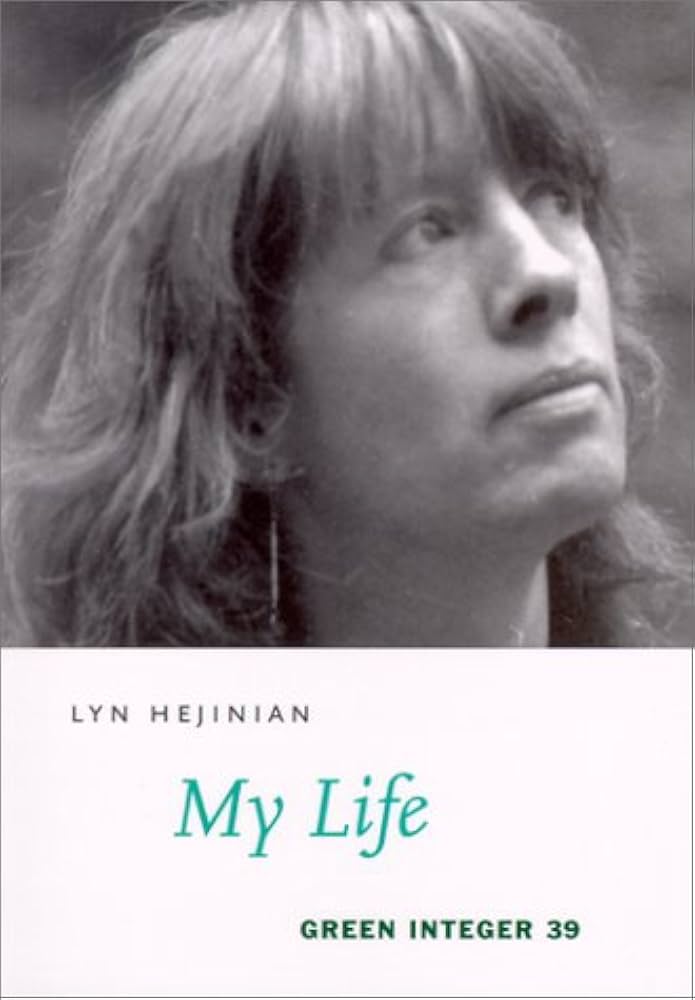
I switched coasts to the California Bay Area for grad school and found myself thrown into a completely new realm of evocative language poets like Carol Snow, Lyn Hejinian, and Leslie Scalapino, Wild yet constrained – every word choice so precise and purposeful they could have been placed there with chef tweezers. Richard Siken and Tyehimba Jess released their dynamic debut collections and instantly became part of the curriculum. Instead of making it look easy, their poems highlighted just how much work and thought went into each piece. It was intimidating and aspirational. This is what great poetry could be.
This is also the time in my life where art and poetry converged in a more direct way. Poems written in images. Poems written in charts. Erasure poems. Hybrid poems paired with collage. Everything felt overwhelming, like the discovery of a new continent. It was in many ways a rekindling of my original teenage adoration. The idea of possibility.
Read, Write, Transform
These are just a handful of the poets that changed me during very specific timeframes. I’ve lived at least three lives since then. Probably more. The point being that the power of poetry is that it unites people across space, culture, and time – even to a former version of yourself. Poetry is gratitude.
You can read Sappho and understand that desire does not change. You can read an entire novel written in sonnets by Vikram Seth. Or find a new favorite poet on Instagram. You are the culmination of every writer you’ve ever loved. Poetry continually shapes us, that’s why it’s so important.
All of this to simply say: keep reading, keep writing, keep sharing your work. Keep honing your voice. Keep listening. Keep uplifting each other’s voice. Poetry is audacity.
Happy Poetry Month!
 Allison Goldstein