The Oscars have a long, rich history of being allergic to horror, but not today. Horror was the big winner at the 98th Academy Awards on Sunday, with actual wins from multiple horror films across both acting and technical categories.
While Horror and its sister genre Sci-Fi/Fantasy are often rewarded in categories like visual effects, costume, and make-up, they are typically ignored in the ‘big’ acting categories. Longtime horror fans are accustomed to crying about genre riggory and the robbed performances that deserved recognition on the Oscars main stage, including Toni Collete in Hereditary, Florence Pugh in Midsommar, Mia Goth in Pearl, Christian Bale in American Psycho, the list goes on.
Yet here we are in 2026 with not just multiple nominations for Sinners, Frankenstein, and Weapons in the acting categories, but actual wins as well. We all fell in love with Amy Madigan’s iconic turn as the equally colorful and dangerous Aunt Gladys in Weapons, and Oscar voters agreed. Michael B. Jordan rightfully won Best Actor for a magnetic dual performance as twins in Ryan Coogler’s visionary vampire film, Sinners. Truthfully, it still feels a little surreal, but only because as horror fans we’re so used to disappointment when it comes to seeing the movies we love celebrated on “movie’s biggest night.”
Here are my 30-second takes on this year’s horror wins.
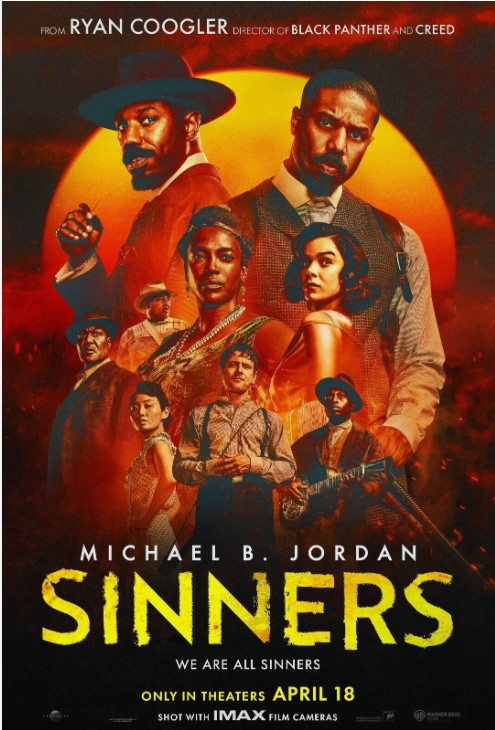
Sinners (2025) Movie Poster
Sinners – So much of this movie speaks directly to my soul. As with all horror movies, there’s the horror element and the deeper meanings/symbolism assigned to it. Ryan Coogler’s ability to navigate the depths of a common horror trope like vampirism through music, racism, cultural appropriation, individual identity, and the power of community was really something special. That dance scene on its own should be taught in film school. Sinners is the definition of a well-rounded film, but it truly came together from great performances across the board, which were anchored by Michael B. Jordan’s enigmatic turn as Smoke and Stack.
Sinners also captured my heart with a strong, immersive visual style that didn’t hold back on graphic violence, and a solid narrative with multiple layers of symbolism that never felt unapproachable. That’s a lot of heavy lifting and another reason why the film also won for Best Original Screenplay. We also need a completely separate standing ovation for Autumn Durald Arkapaw’s Best Cinematography win for her phenomenal work on this film – the first woman to win this category in the award’s 98-year history and she won for horror! I would have been delighted if Coogler won for Best Director or if Sinners picked up a Best Picture nod as well, but I suppose we can’t have everything.
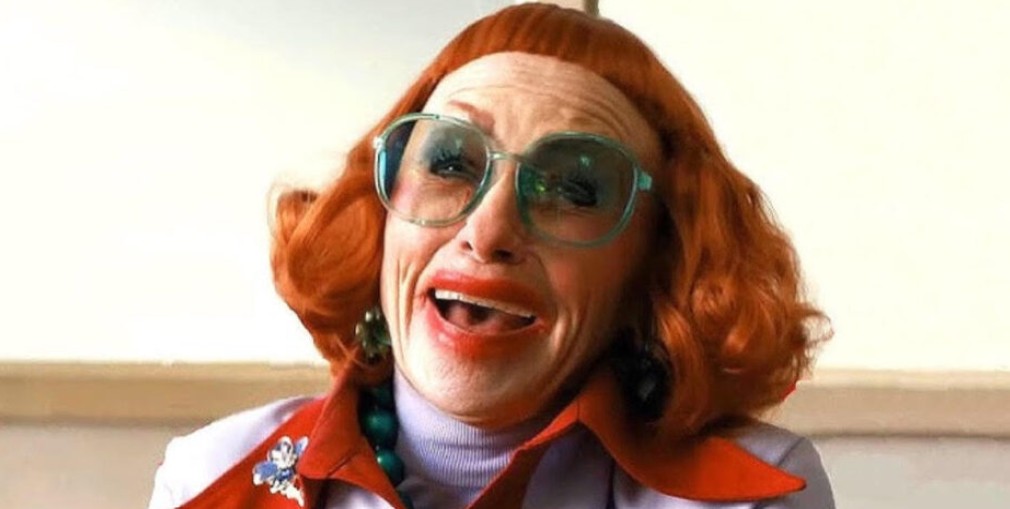
Amy Madigan as Aunt Gladys in Weapons (2025)
Weapons – The first word I think of with Zach Cregger’s Weapons is fun. It’s a fun, silly, crazy comedy-horror romp that successfully utilizes non-linear storytelling to both reveal truth and build tension. Weapons is underscored by some great performances from Julia Garner and Cary Christopher, a few truly scary moments (Justine sleeping in the car scene), and just enough WTFness to keep things interesting. While I enjoyed a lot about the film, Aunt Gladys is the major takeaway and I 100% agree that Madigan deserved her flowers for a truly iconic performance that will stay in people’s nightmares for years to come.
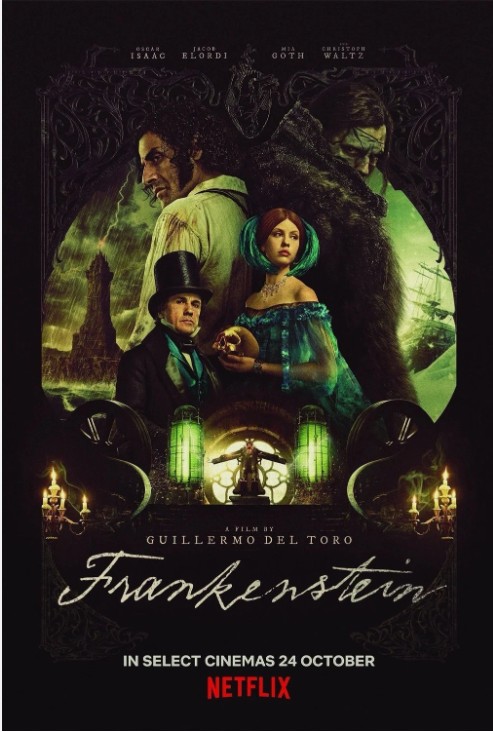
Frankenstein (2025) Movie Poster
Frankenstein – I really liked this film, but with some major caveats. It’s beautiful, full stop. The intricately detailed set design, the insanely gorgeous costumes, the lushly saturated colors – as usual, Guillermo del Toro understands how to create a visual feast that feels sumptuous and dangerous and larger than life yet grounded in a reality we can still connect with emotionally. That said, I did not like this film as a Frankenstein movie specifically. I felt that the script removed all real agency and motivation from the Creature role by deviating so far from the book source. The parental abandonment, loneliness, rage, and murder revenge storylines are vital aspects of what makes the Creature complex and ultimately the most human character in the story.
This version of the tale eschews all of that and left me feeling disconnected from the indestructible sad alien baby that Jacob Elordi gave us. He needed more to do than just be a perfect victim who never does anything wrong. He doesn’t even Kill Elizabeth, which feels like a huge mistake. He needed to make bad choices and feel the pain of those mistakes, not just the loneliness of being hated for looking weird. It’s just too surface level from a story that is literally about going beneath the surface to discover what defines our humanity. As the result, the Creature character felt a bit one note – one tall, sad mopey note. I also have to sigh a little at the heavy handed ending with Victor apologizing for being a terrible father. Yes, on the one hand it feels like the ultimate fanfiction wish fulfillment (we all want Victor to recognize and apologize for being the literal worst), but I think the film would have been stronger by pushing back on those unearned, feel-good elements.
Suffice to say, I’m thrilled Frankenstein won for costumes, make-up and set design as that is where the movie truly excelled, and agree with the Academy that it wasn’t strong enough to take home Best Picture or any acting awards. Overall, still a very beautiful and watchable film, I just wish it didn’t carry the Frankenstein name.
Need the perfect movie lineup for Halloween? Fear not, I’ve got you covered with a spooky selection of deliciously scary films sure to make you scream (with delight). Whether you prefer classic scares or body horror, art films or comedic gore fests, I’ve included a little something for everyone.
Choose one movie from each section or curl up with all the movie selections from your favorite sub-genre! Grab some snacks and settle in for a hauntingly good time. Stay spooky friends!
Dracula (1931), Starring Bela Lugosi
All-Time Classics Iconic films that never go out of style
Dracula – 1931
Halloween – 1978
Evil Dead 2– 1987
Friday The 13th – 1980
Night of the Living Dead – 1968
Texas Chainsaw Massacre– 1974
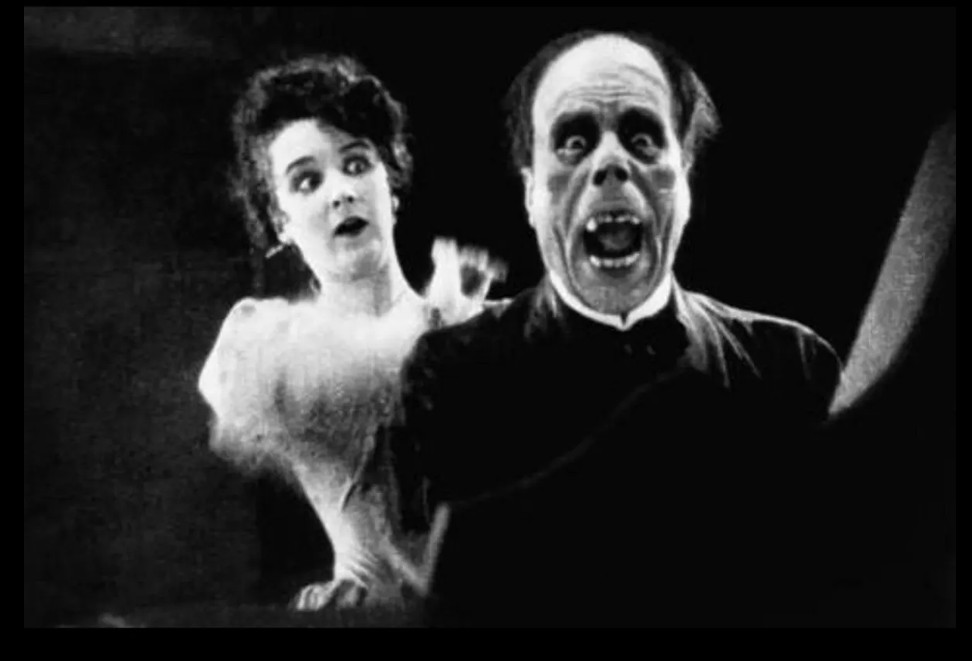
The Phantom of the Opera (1925), Starring Lon Chaney
Silent Scares Keep it creepy with a silent scary movie
Nosferatu – 1922
Dr. Jekyll and Mr. Hyde – 1922
Phantom of the Opera – 1925
The Cabinet of Dr. Caligari – 1920
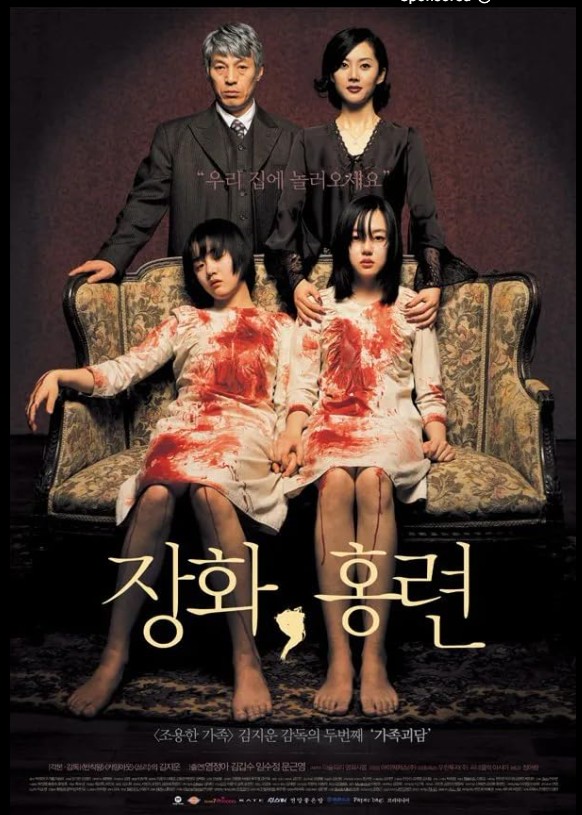
A Tale of Two Sisters (2003), Directed by Kim Jee-woon
Beauty in the Darkness Films that are equally high on scares and aesthetics
A Tale of Two Sisters – 2003
Let The Right One In – 2008
Suspiria – 1977 & 2018
A Girl Walks Home Alone at Night – 2014
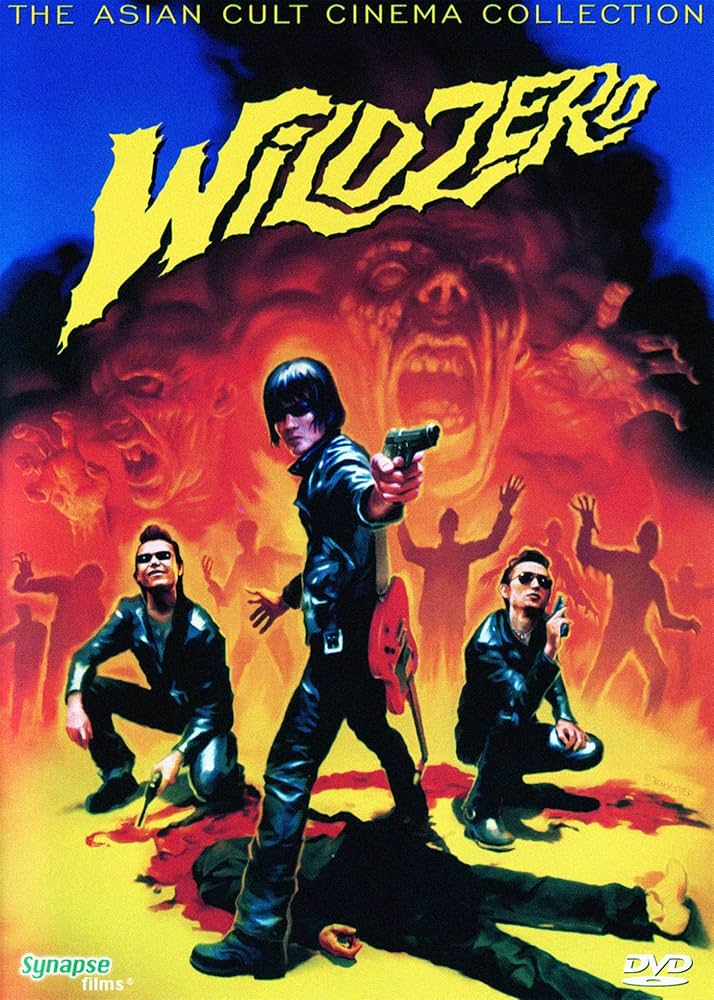
Wild Zero (1999), Starring Guitar Wolf
Horror Comedies Laugh, scream, and laugh again . When silly meets spooky, everyone wins.
What We Do In The Shadows – 2014
Shaun of the Dead – 2004
Wild Zero – 1999
Return of the Living Dead – 1985
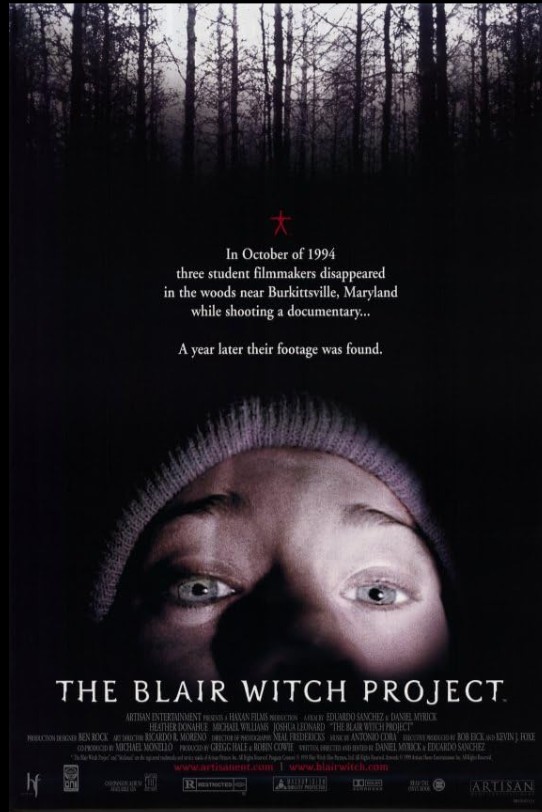
The Blair Witch Project (1999)
Found Footage Favorites Scares that feel all too real
The Blair Witch Project – 1999
Grave Encounters – 2011
Gonjiam: Haunted Asylum – 2018
Hell House LLC – 2015
Videodrome (1983), Directed by David Cronenberg
Body Ody Ody Horror For when it’s time to get gross
The Substance – 2024
Videodrome – 1983
The Thing – 1982
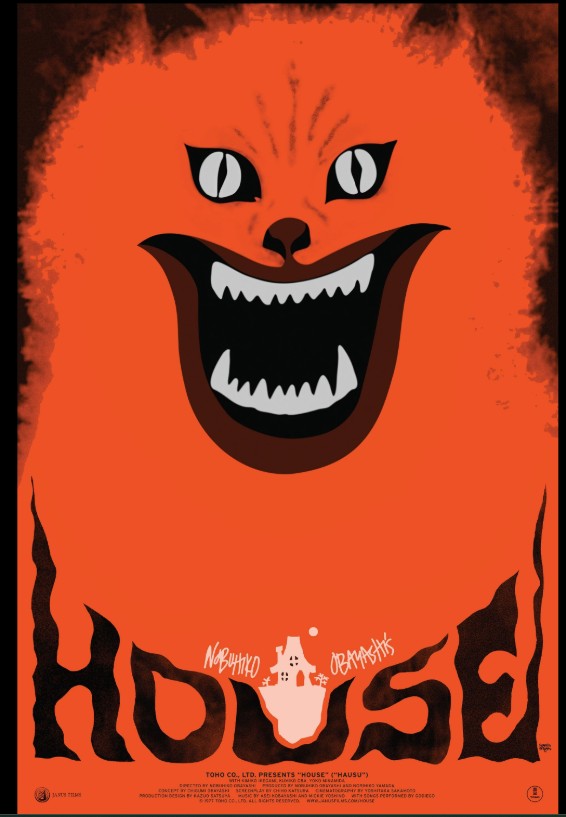
House “Hausu” (1977), Directed by Nobuhiko Obayashi
WTF Did I Just Watch Surreal films that stick with you long after the credits roll
Audition – 1999
House – 1977
Titane – 2001
Dead Alive (Braindead) – 1982
Happy Halloween ghouls! Drop your Halloween horror line up in the comments.
Piper Laurie as Margaret White in Brian De Palma’s 1976 adaptation of Carrie, released by United Artists
Margaret White is a horror icon in life and in death. While several extremely talented actresses have taken on the role of Carrie White’s fanatical mother, no performance has reached the charismatic yet unhinged fever dream of Piper Laurie in Brian De Palma’s 1976 adaptation of Carrie. Laurie’s ability to capture the both the zealotry and otherworldly oddness of Margaret White remains a beacon for horror fans and an enduring pop culture reference nearly 50 years after the movie’s original release.
Pre-production, Piper Laurie famously believed Carrie was a ‘lyrical black comedy’ and not an actual horror film. She couldn’t comprehend that this deranged woman who shouted about her daughter’s “dirty pillows” could be anything but satire. Even if initially misguided, I think this perspective ended up freeing Laurie to explore the frenetic darkness of Margaret White without a need to ground the character in realism—consequently creating a silver screen portrayal that defied genre.
Laurie earned her a second Oscar nomination for transforming Margaret White into a fully-conceived villain that is gleefully over-the-top yet entirely believable. With an untamable mane of hair, dramatic cape, and a sing-songy voice that vacillates between vulnerable and manipulative, her very presence vibrates off the screen with a confidence that seems even more gauche next to Carrie’s overwhelming shyness.
From the moment we see her proselytizing to the neighbors, we know exactly who Margaret White is, and how her religious fervor shapes the way she both perceives and abuses her daughter. Her dogmatism acting as both a mask and a projection of her inner turmoil.
It’s easy write off that kind of character as just another blind Christian fanatic, but Piper Laurie as Margaret White radiates such an intensely felt sense of self that it permeates her religious zealotry. There is an argument to be made that Margaret White is the actual God she claims to worship under another name. Her staunch refusal to engage with reality combined with an unyielding need for control makes Margaret feel more like the leader of her own one-woman cult vs. a humble servant of her professed faith.
**Spoiler Alert**
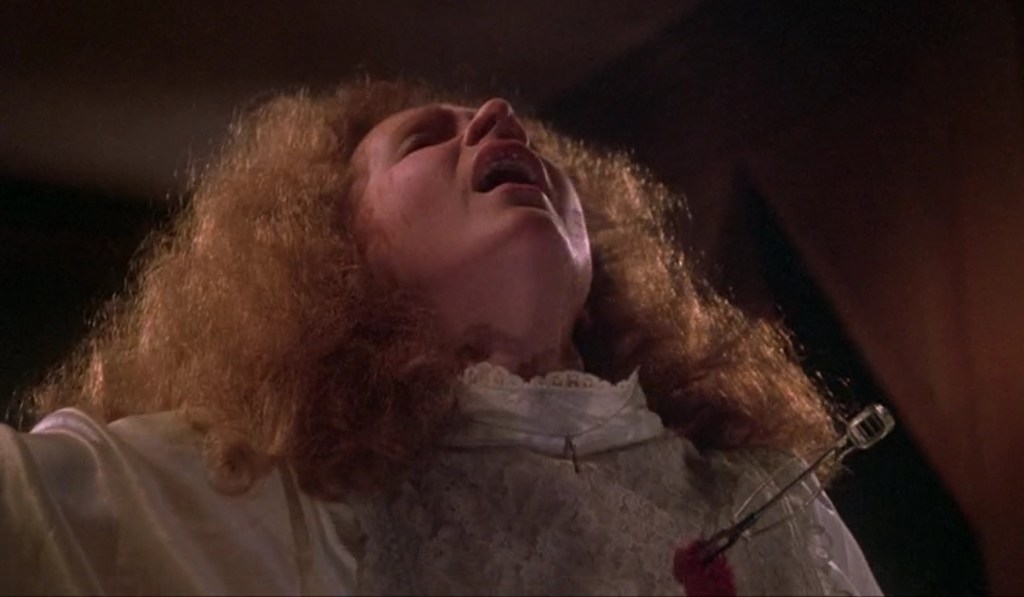
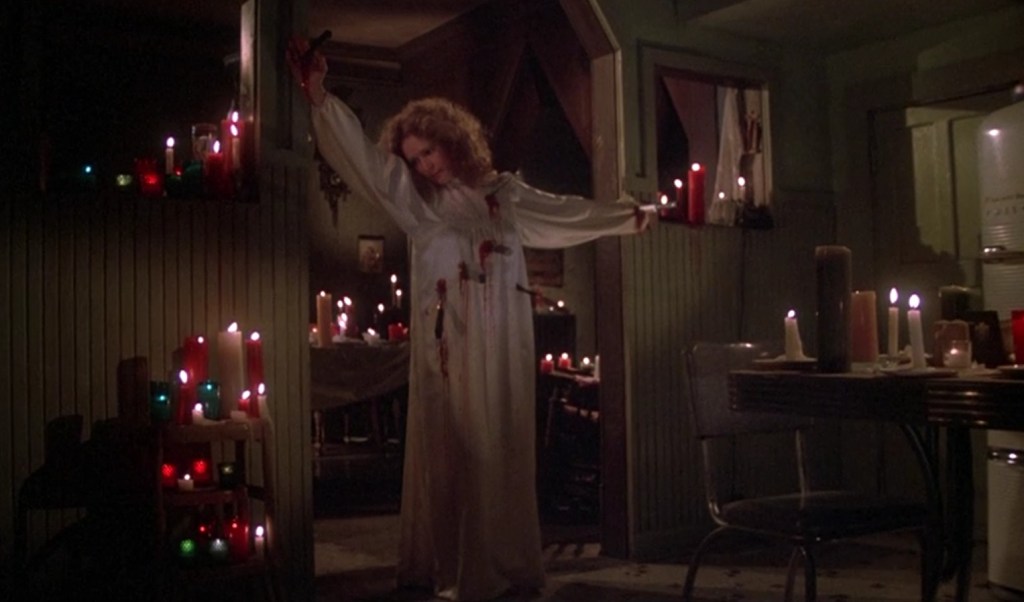
The culmination of this devotion is realized in Margaret White’s epic death scene. After literally stabbing her daughter in the back, Margaret is given a cinematic end befitting her grotesquely repressed character—being crucified with kitchen utensils (in the style of her beloved St. Sebastian statue) as Carrie burns the house down around them.
When it hurts so good
Side note: Transforming domestic cooking tools associated with nourishment and nurturing into weapons against a negligent mother feels very on point for mid-twentieth century horror.
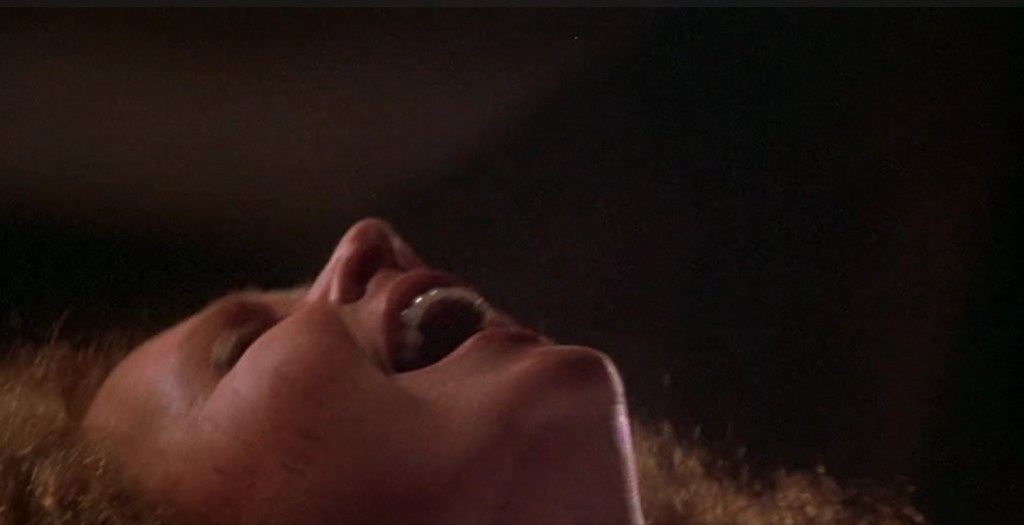
Once the knives and forks go in, Margaret’s wild moaning starts, then her head begins to loll back and forth; opening and closing her eyes as her grunts waver between anguish and ecstasy. And they don’t stop—the euphoric groans only growing deeper and more exhaustive with each breath as Carrie quivers in the corner.
From the penetration of the first flying knife to the moment Margaret’s head finally rolls down onto her shoulder, her orgasmic death rattle lasts not five seconds, not 10, not even 30 seconds, but a nearly incomprehensible 58 seconds. That’s basically a full minute of orgasmic wails and swelling music and Margaret White tossing her head back and forth in sublime ecstasy.
Margaret White thoroughly enjoying her kitchen crucifixion
She doesn’t seem scared or confused or even in significant pain during her crucifixion, to the point where some of the moans almost sound like laughter. And while a minute may not seem like an eternity outside of the movies, in a 98-minute film, Margaret White’s death orgasm is nearly 1% of Carrie’s total runtime.
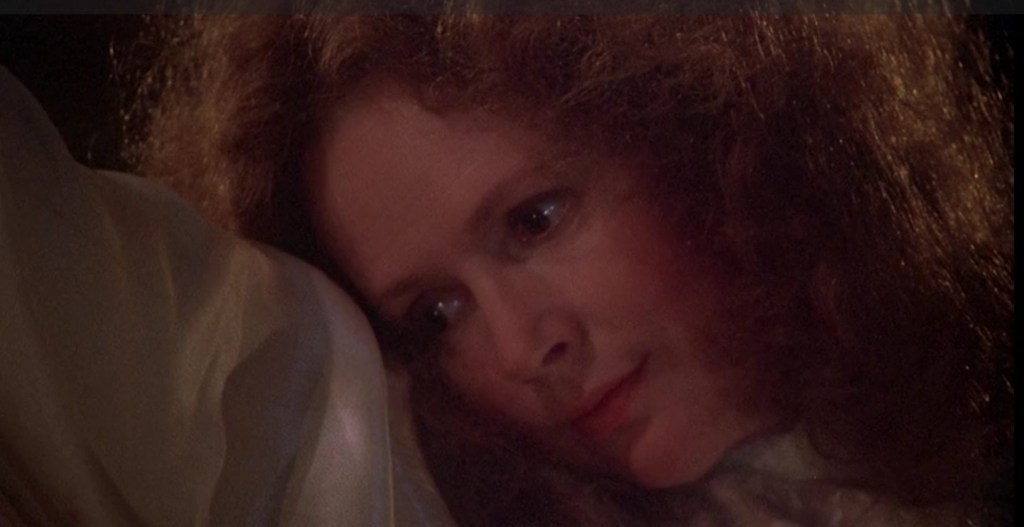
And she dies with a smile
At the end of Carrie, Margaret White is absolutely ready to die, but not before letting out the window shattering, eye-crossing, time-warping orgasm she’s been holding in her entire adult life. This is what happens after decades of pent up, shamed-fueled celibacy. Being crucified by her telekinetic daughter may not have been the way Margaret White envisioned meeting her end, but in Piper Laurie’s hands, she’s more than happy to go out with a smile on her face after the best orgasm of her life. So, who really gets the last laugh?
Rain thick as blood coating what’s left of the window.
River of broken glass stealing what’s left of the moon.
Poem by Allison Goldstein (2024)
This is one of the poems that came from writing my horror collection, but didn’t make it into the final book. I wrote three of these poems (that I still really like), including “If You Want to Live” as writing exercises to get into the themes and tropes of horror films.
For a while I called these extra poems ‘appendixes’ and even tried them as chapter intros; but alas, they just needed to find a new home. Since the poems explore larger themes in horror vs. commenting on individual films, they didn’t seem to quite fit in with the chapbook, but I love them anyway for the spooky little poems they are. Perhaps they’ll be part of a larger, different collection eventually.
From the book “In The Night, In The Dark” by Bottlecap Press (2025).
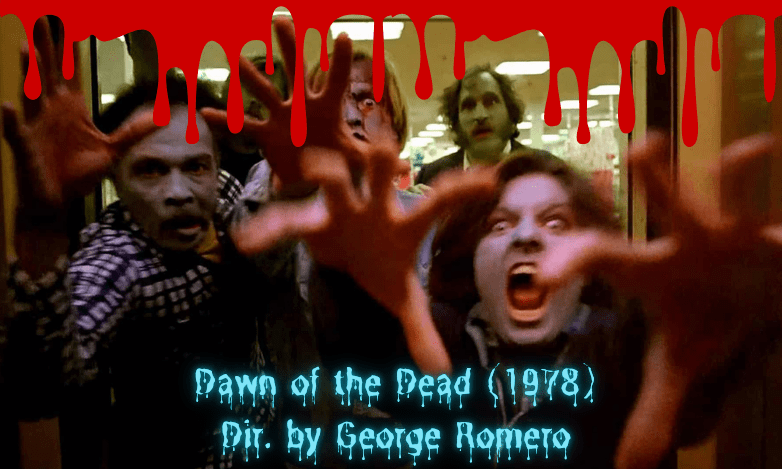
I love this weird little poem. It’s actually one of the first poems I wrote for the collection and probably the shortest poem I’ve ever published. “Dawn of the Dead” originally appeared in Molecule – a tiny lit mag in Fall 2022 and I love that it found a home that appreciated both its humor and brevity.
One of the things I adore about horror as a genre is it’s ability to interject comedy and camp with serious messages about fear, society, and human nature. Romero’s 1978 classic “Dawn of the Dead” is a masterclass in this area, dazzling audiences with the perfect combination of gory practical effects (due to the genius of Tom Savini), campy yet creepy zombies, and a still-relevant message about the dangers of over-consumerism, and its physical, emotional, and psychological effects on society.
Romero has always been a pro at understanding how to create a solid plot that makes sense on its own but leaves a lot of space for wider thematic interpretations. Is it a coincidence all the zombies descend on the mall? Absolutely not. Mall culture in the U.S. was already booming in the late 70s (and would only grow exponentially through the 80s and 90s). This era ushered in a major cultural shift, eschewing the importance of community for rampant greed and consumerism. Society encouraged people to make as much money as possible and spend it all on themselves to help drive corporate profits. As a result, American social culture became inexplicitly intertwined with shopping and consumerism.
It’s also not a coincidence that themes of unrestrained consumerism easily mirror the concept of mindless zombie hoards solely driven by a innate desire to consume. They come to the mall out of habit, but also as a symbol of what unfettered consumerism will ultimately cost – humanity itself. It’s terribly smart and awfully funny and one of the best zombie films of all time. I only hope my small poem does it a hint of justice.
I’ve waited for this day for years and I can’t believe it’s finally here. My first poetry chapbook, In The Night, In The Dark, is live and available from Bottlecap Press!
A haunting ode to Universal Monsters, 80s slashers, and Final Girls, In The Night, In The Dark is a razor-sharp collection of ekphrastic poems inspired by classic 20th century horror films. From The Bride of Frankenstein’s first hiss to Pamela Voorhees searching for her son’s lost heart, each poem explores the cinematic chasm between dread and desire.
Dark, witty and unsettling, the poems reimagine horror films not as passive nightmares, but emotional reckonings, including “Dracula,” “Creature from the Black Lagoon,” “Night of the Living Dead”, and “Suspiria”. Allison Goldstein’s deftly crafted collection meditates on the transformational impact of our collective terror – both on and off the screen.
Are you ready to step back into the dark and confront what haunts you?
Don’t take your clothes off
or investigate the strange noise
at the end of the hall.
Don’t count on the phone working
(any phone)
or the car in the driveway.
Never go to sleep,
even if you make it to sunrise.
Never feel safe,
even with a knife in his chest.
He’s not dead,
just waiting.
Poem by Allison Goldstein
I love horror movies. Is that obvious? I also love writing poems about horror movies, including “If You Want to Live”, which offers some pertinent advice to anyone who happens to find themselves trapped in a horror film. This is definitely a condensed list, so what would you tell someone to help them try to survive a horror movie?
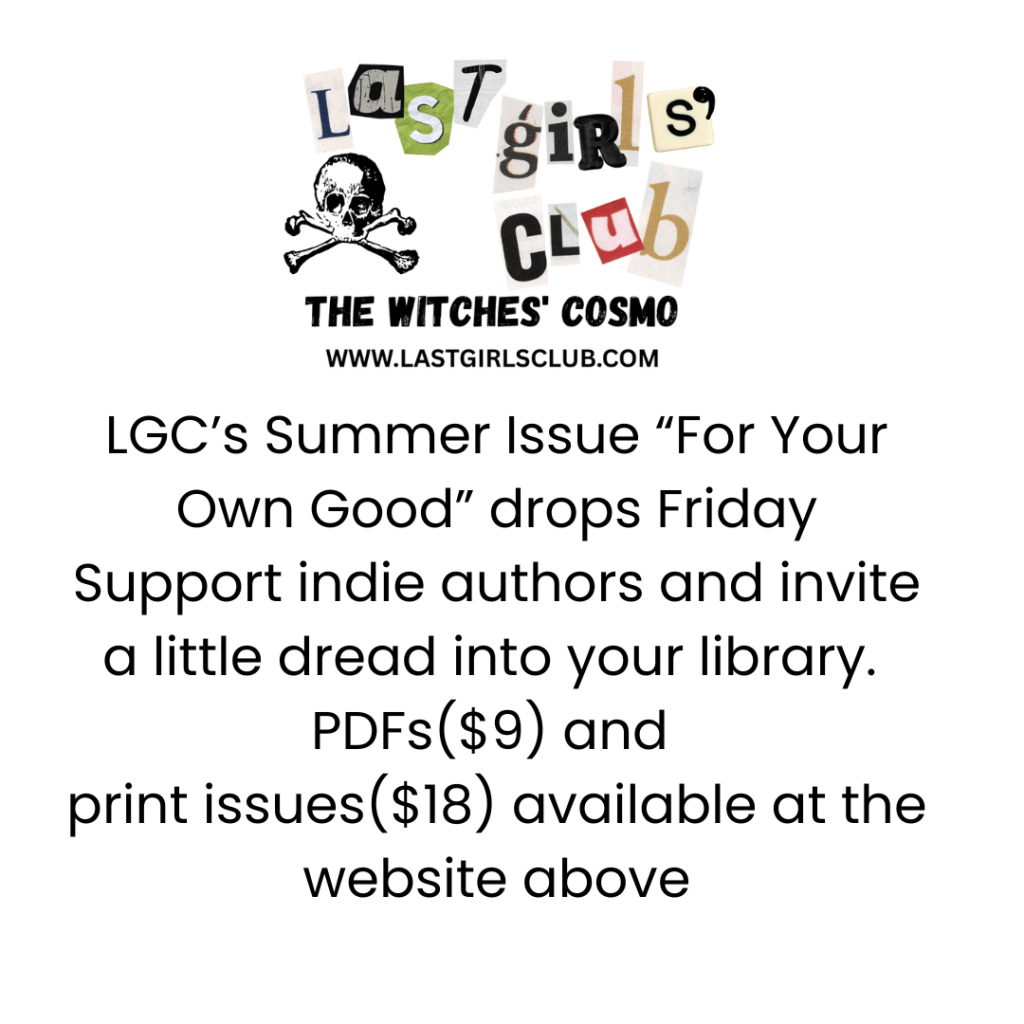
I’m so excited about this one! One of my horror movie poems, ‘Phantom of the Opera’ is featured in the newly released Summer ’25 issue of Last Girls Club. Available in Softcover or PDF, the issue’s theme is ‘For Your Own Good’, so you know you’re in store for some creepy tales and poems sure to send a shiver down your spine. Order your copy today and get your summer spooky on while supporting small indie publishing and feminist horror.
I love horror movies. I know this isn’t exactly news, but it’s both true and timely as I am delighted to announce that my new 25th anniversary review of ‘Wild Zero‘ (1999) is now up and ready to read on the Horror Homeroom website!
For those of you unfamiliar, Wild Zero is a wonderfully campy, Rock ‘n’ Roll horror-comedy starring the iconic Japanese punk band, Guitar Wolf. It’s got everything – zombies with exploding heads, CGI alien space ships, a killer soundtrack, and a unexpectedly sweet trans love storyline. I love this movie and I’m honestly sad it never gets mentioned in the pantheon of great zombie flicks, so I’m on a mission to spread the good word. Check out my article on Horror Homeroom and then go stream this overlooked 90s zombie classic today!
Are you already a Wild Zero superfan? Let’s talk about it! Share your thoughts in the comments below.
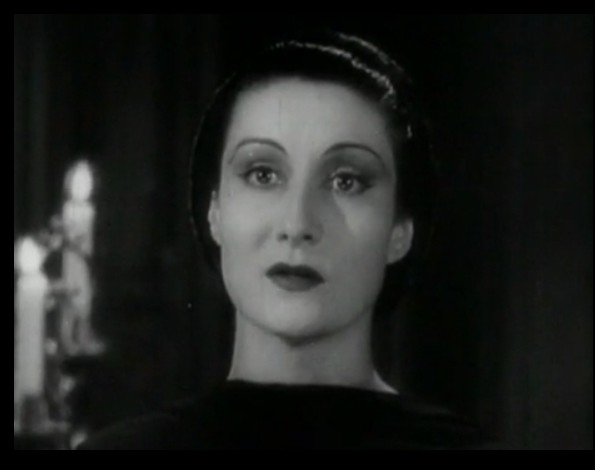
Stylish and subversive, Dracula’s Daughter (1936) is the often-overlooked sequel to 1931’s Dracula and one of the rare Universal horror classics that deserves a modern remake. The story follows Countess Marya Zaleska (Gloria Holden), the reluctant daughter of the legendary Count Dracula, as she struggles against her insatiable nightly desire for women and blood. The plot is loosely based the 1872 novella, Carmilla by Joseph Sheridan Le Fanu, which predates Bram Stoker’s Dracula by 25 years and focuses on a fictional lesbian vampire. Yes, in 1935 Universal Pictures made a female-led, queer coded sequel to one of their most successful monster movies…and most of it works.
Dracula’s Daughter narratively begins moments after Dracula (1931) ends, but quickly diverges both thematically and stylistically under director Lambert Hillyer. In Dracula, Bela Lugosi’s iconic vampire takes a studied, masochistic pleasure in seducing his victims. Every scene plays with ideas of lust, desire, and submission, starting with Lugosi’s memorizing stare straight into the camera. He is always impeccably dressed and speaks with a confident eloquence that reeks of good breeding. He charms his way through every social interaction, whether leading Renfield through his decaying castle or dazzling Mina and Lucy at the theater. This calculated air of mannered affluence is the camouflage that allows Dracula to hide among his victims. Dracula’s Daughter explores similar themes of desire, classism, and submission, only now that it’s a women doing a preying, the monster changes from a charismatic count to a tortured lesbian.
In full transparency, the word ‘lesbian’ is never uttered in the film, only heavily implied. However, even in 1936 with the Hays Code in full effect, many audiences picked up on the overt clues that Countess Zaleska’s vampirism was a stand-in for homosexuality.
Hollywood Censorship – A Quick Primer on The Hays Code
The Hays Code refers to a set of so-called ‘morality guidelines’ adopted by the Hollywood studio system in 1930 to avoid potential government censorship by essentially pre-censoring themselves. Sex, profanity, nudity, childbirth, interracial relationships, glorifying crime, and other acts deemed ‘immoral’ were forbidden to sidestep any public claims of indecency.
While the Hays Code was voluntary for studios, the rules were mandatory for filmmakers if they wanted distribution in the United States. With directors banned from showing ‘crime in a positive light’ and homosexuality being illegal in 1936 America, there are no happy endings allowed for gay characters. In fact, characters exhibiting any queer-coded traits or actions had to end up dead, incarcerated, or a victim to some other form of punishment.
Luckily, the Hays Code was abandoned in 1968, which is why the mainstream shift to the drugs, sex, and violence in many iconic 1970s movies can feel both exciting and jarring for classic film fans.
Now back to our regularly scheduled movie review.
Countess Zaleska – Universal’s Queer Horror Queen
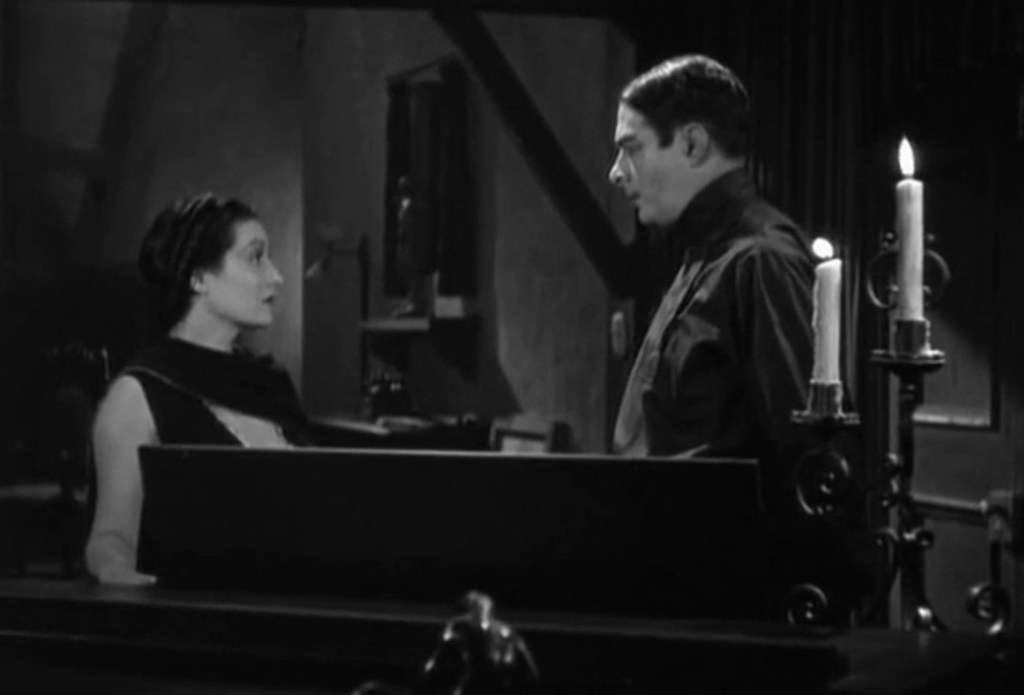
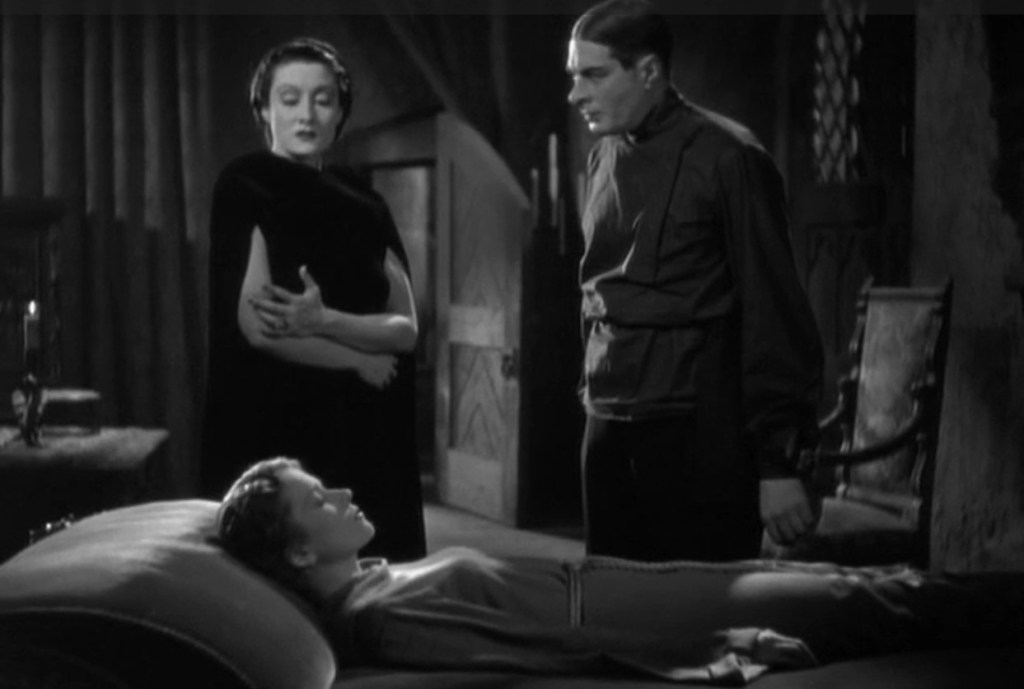
As mentioned earlier, Dracula’s Daughter opens just as 1931’s Dracula ends, with Van Helsing still in Carfax Abbey, just moments after driving a stake through Dracula’s heart. He confesses Dracula’s murder to the police and is promptly arrested. This creates the opportunity for for Countess Zeleska to steal her father’s corpse from Scotland Yard with the help of her familiar/manservant, Sandor, and destroy it with fire an elaborate funeral ritual. Once Dracula’s body is burnt to a crisp, Countess Zaleska believes she’ll finally get her one true wish – to stop being a vampire and return to a normal human life (complete with heterosexual impulses).
Unlike her famous father, Countess Zaleska does not enjoy being a vampire. She stares longingly into the middle distance and plays melancholy hymns at her piano. She pleads for mercy to unseen gods, spending night after night wishing she was different – a familiar form of self-loathing for many queer kids. Zaleska will do anything to convince herself that she can be like everyone else and “think normal things.” Like what they like, love who they love. But despite her earnest desire, Countess Zaleska is a vampire, and she prefers her meals on the female side.
Movie monsters have always been metaphors, and Countess Zaleska’s very existence is an expression of common homophobic themes from that era. The idea of a blood-sucking night demon feeding on young, beautiful girls dovetails perfectly with pernicious ideas about lesbians as pariahs that ruin families by seducing innocent straight women.
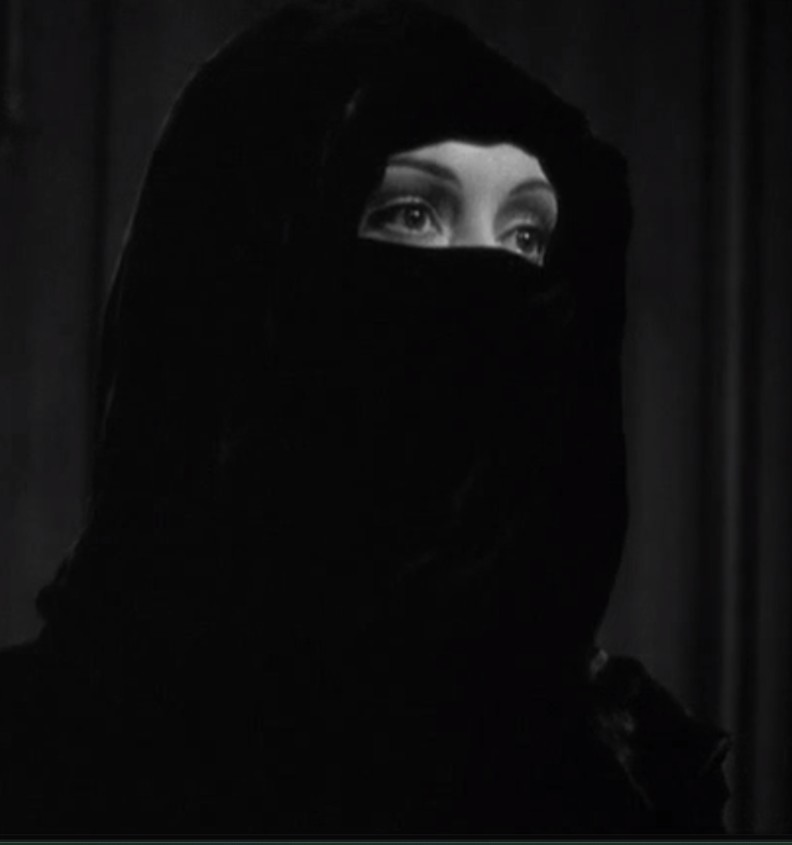
Zaleska is always elegantly dressed in expensive dresses with simple lines and heavy cloaks. Her hair is dark and slicked back, her demeanor calm but somber. These stylistic choices alone visually separate the countess as an other from the more traditionally feminine women in the film with their flowers and ruffles. She constantly hides part of her face and hypnotizes her victims with an elaborate jeweled ring worn on her wedding finger. Zaleska’s inherent shame like a shadow over every scene.
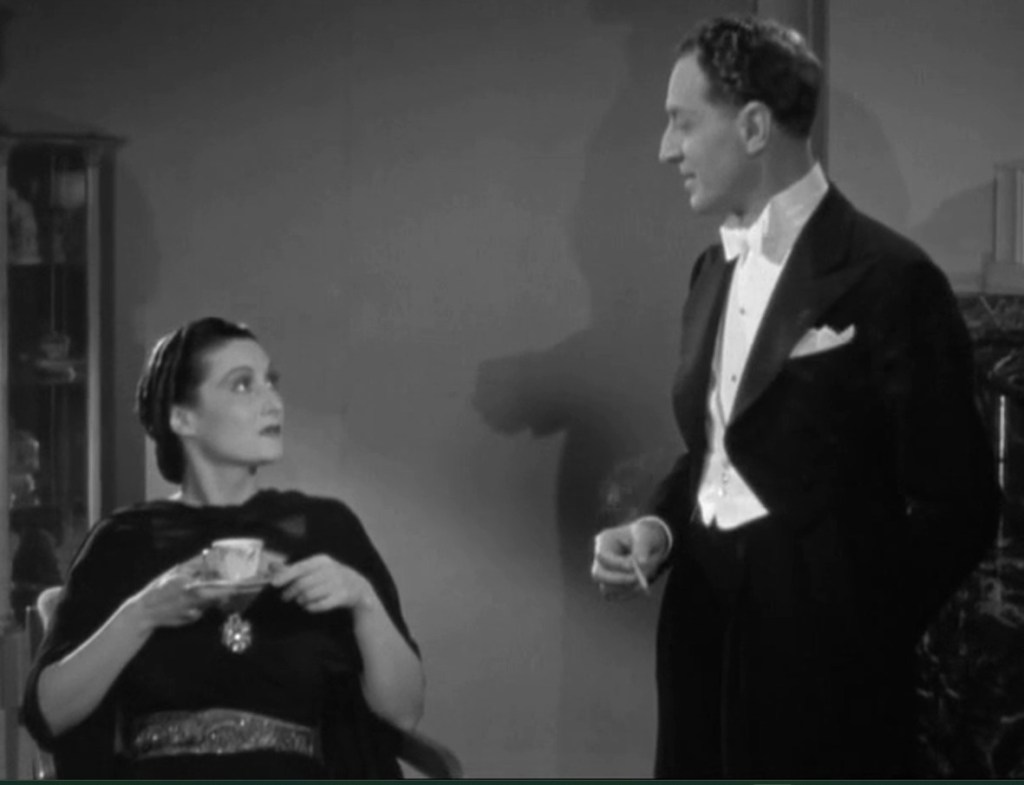
When Dracula’s death does nothing to diminish her hunger, desperation sets in. Zaleska turns to renowned psychiatrist, Dr. Jeffrey Garth (Otto Kruger), as a potential path to heteronormative salvation. While this seems like a standard plot device, it is not a coincidence that Zaleska purposely chooses a medical-based remedy for her affliction.
Homosexual behavior was historically seen as a disease of the mind, much like popular ‘women-centric’ diagnoses like hysteria. A vampire seeking a scientific intervention to cure an ‘obsession’ mirrors how queer people have often either voluntarily or forcibly been put through traumatic medical and psychiatric treatments to repress their sexuality. If Zaleska could use her mind to conquer the darkness, she could stop her incessant desire to slip out into the night and seek out the company of young women. At least, that’s the theory.
*Spoiler Alert – You’ve Been Warned*
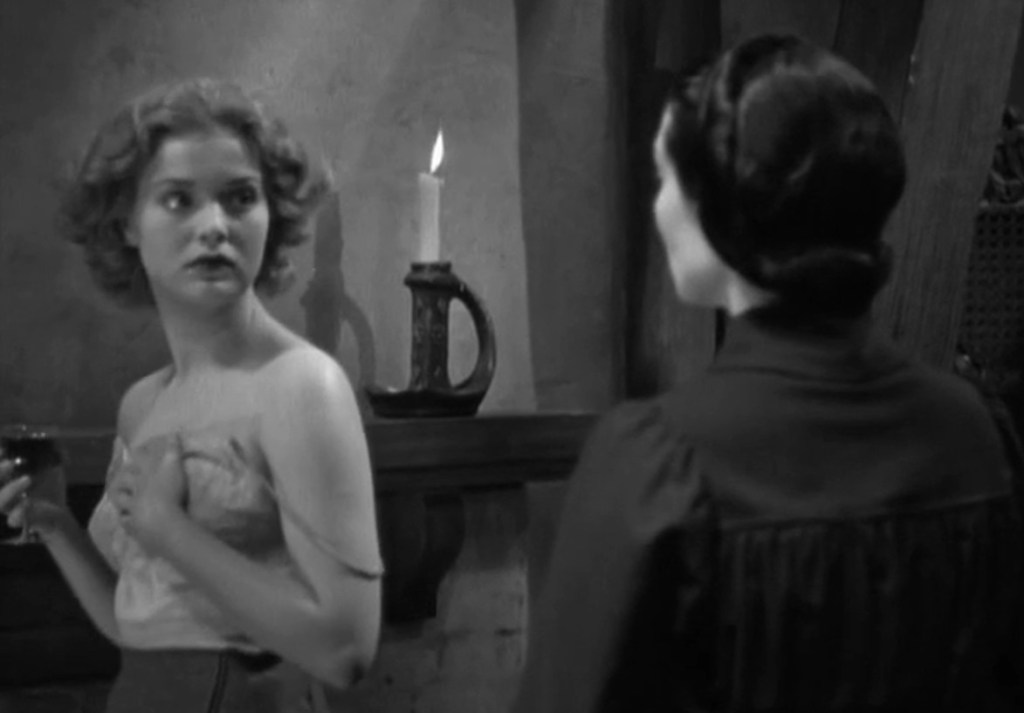
The most famous and provocative scene in the film takes place in Zaleska’s art studio as she fights against but eventually succumbs to her desire for female flesh.
After meeting with Dr. Garth, Zaleska decides to test her newfound willpower by sending Sandor out into the night to find a live model for a painting session. Sandor discovers a beautiful young woman named Lili near the river and persuades her to come back to the studio with promises of food, money and warmth for posing as an artist model. Zaleska seems calm enough at first as she instructs Lili to remove her blouse and stand near the fireplace. Lili still has her slip on, but the moment the she pulls those straps down, Zaleska’s entire demeanor changes.
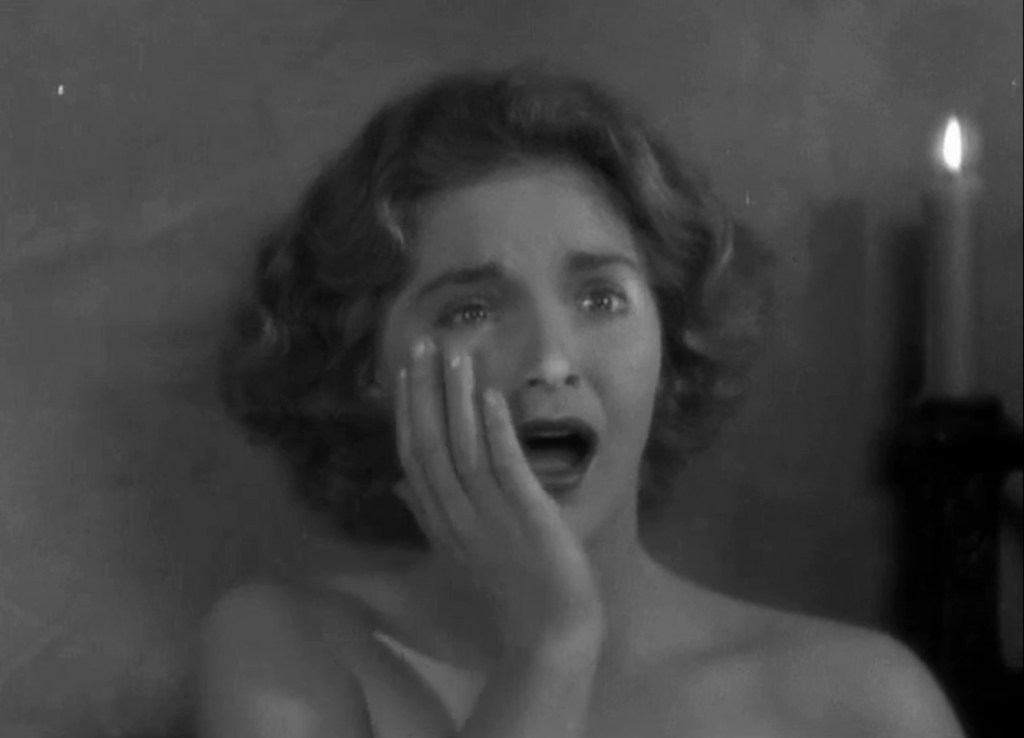
Suddenly the countess becomes her father’s daughter, a controlled and seductive predator. Zaleska raises her hypnosis ring, asking Lili if she likes jewelry as she begins moving closer. Even with the hypnosis taking effect, Lili is clearly scared and uncomfortable. She begins pleading to leave as Zaleska continues walking towards her. The film blurs and camera literally shifts to the ceiling then cuts to black as Lili screams offscreen.
While there are a lot of bright moments in the film, the plot declines rapidly after this scene due to several narrative missteps. In addition to dealing with Hays Code restrictions, Dracula’s Daughter began filming before the script was completed due to a rights issue with MGM, and it shows in some of the pacing and transitions.
The promise delivered in the first half of the movie as the countess struggles with her guilt and seeks to cure her condition fizzles out in a sloppy third act. Zaleska’s previously clear motives are lost in a half-baked blackmail plot that moves the action from London to Transylvania. After realizing there’s no medical way to stop her vampiric longings, Countess Zaleska kidnaps Dr. Garth’s assistant/love interest Janet in order to force Dr. Garth to become Zaleska’s eternal vampire companion. If he doesn’t agree to stay with her, she’ll kill Janet. If you think this plot twist makes little to no sense, you would be absolutely correct.
Why would Zaleska suddenly want Dr. Garth to join her as a vampire when her primary goal is to stop being a vampire? They have no real relationship other than 2 – 3 conversations about psychiatry and there’s no evidence her feelings are based on either love or attraction. Yet, she’s convinced she needs this particular man around her always, even telling him “You are the one person that stands between me and utter destruction” and “I need you to save my soul.” The scenario only begins to make sense if you believe that since Zaleska has accepted her vampiric fate, the only thing Dr. Garth could hypothetically ‘save’ her from is being a lesbian.
Ironically, the film ends up reaffirming that just like being a vampire, being gay isn’t something you can pray or medicate away, it’s just who you are.
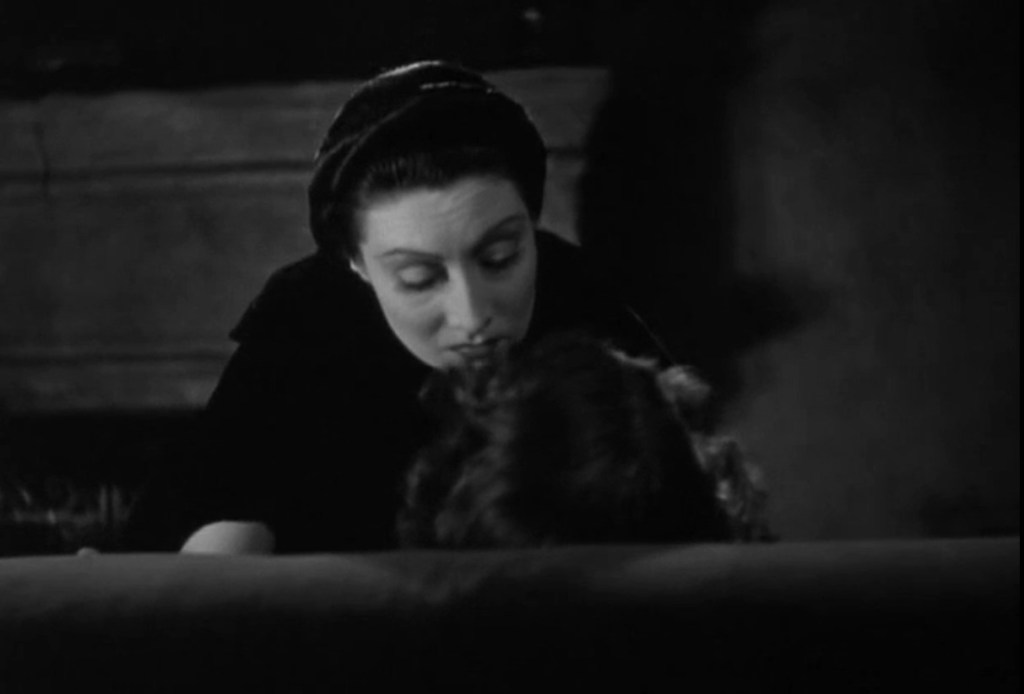
Now back in Transylvania with Janet’s unconscious body, Zaleska finds herself once again overcome with desire. Even as the countess tells Sandor her vampire plans for Dr. Garth, her eyes cannot leave Janet. She doesn’t even blink. When Sandor says, ‘You won’t wait long” before exiting the room, he’s right. The bedroom door is barely shut before Zaleska moves onto the bed and lingers over Janet’s sleeping face. The scene is coyishly framed so you can only see Zaleska’s face moving downwards and the back of Janet’s head. The result ends up looking more like a couple about to kiss vs an actual vampire attack. Of course, Dr. Garth bursts into the room just in time to stop the action and save Janet from Zaleska (or vice versa).
This misguided kidnapping/blackmail plot comes to a close when Zaleska’s trusty manservant Sandor murders her (with an arrow of all things) for gall of attempting to transform Dr. Garth into a vampire instead of him. Sandor grabs another arrow to kill Dr. Garth, but is shot in the process by a policeman.
Other than the bad guys dying at the end, there’s no real resolution for the main characters. The closest you get is Dr. Garth and Janet conveniently realizing that they love each other and are now safe to enjoy a traditional, no-homo life back in London.
Is there a future for Dracula’s Daughter?
Even with the rushed and confusing ending, there’s more than enough good ideas in Dracula’s Daughter to warrant a nuanced remake. One that explores the moral quandaries of being a reluctant vampire without being buried in villainized queer trauma. Imagine what a cerebral director like Jennifer Kent (The Babadook) or Mary Haron (American Psycho) could do with Zaleska’s spiraling cycles of guilt and seduction. Or how highly-visual directors like Coralie Fargeat (The Substance) and Nia DaCosta (Candyman 2021) could explore repressed female desire though the lens of body horror.
There have been multiple compelling, character-driven vampire films released over the last two decades, from Let The Right One In (2008) to Ana Lily Amirpour’s A Girl Walks Home Alone at Night (2014).But when it comes to lesbian vampire films, we’re still mostly relegated to campy, cleavage-heavy Hammer movies from the 70s (which are fun, but for different reasons) and stylish cult classics like The Hunger (1983), which focus more on style than plot.
I think queer movie fans deserve better and I’d love to see what a talented screenwriter and director could do by remaking Dracula’s Daughter for a modern audience.






 Allison Goldstein