It’s getting down to the wire for end-of-year reflections, and while I am eager as anyone to say goodbye to 2025, it was also a year full of goodness worth celebrating. I had several poems and non-fiction pieces published this year in Saw Palm, Horror Homeroom and Last Girls Club, and got to participate in several poetry readings, including Hollie Hardy’s amazing Saturday Night Special. It’s been years since I performed poetry in front of a live audience, and it was wonderful to be part of a community experience again and restore some of those lost connections.
This year also marked the release of my first poetry chapbook, In The Night, In The Dark (available now from Bottlecap Press), and it still feels surreal knowing I have an actual book out in the world. Like all projects, there is a genuine feeling of accomplishment that comes from seeing something through from ideation to reality. And while publication isn’t the end-all of existence, it was a personal goal to publish a book and I’m just really proud of myself. Full stop. My therapist is somewhere smiling.
Cover Art for Allison Goldstein’s New Poetry Chapbook, In The Night, In The Dark (Available Now from Bottlecap Press)
I also love that my first book is about horror movies. After I finished my MFA in poetry way back in 2006, I really got in my head about what serious poetry books were supposed to be. Of course, I didn’t really write that way and I knew it didn’t matter, but it still did. And I found myself rejecting ideas as too niche or too genre, even when they felt the most authentic to who I am.
And then during the long foggy years of COVID, I realized maybe I should try writing about something I really like instead of what I thought I was supposed to write about. So I wrote a book about something I really like – 20th century horror movies. It’s filled with the scenes, characters, and films that haunt my dreams in the best possible way. And I hope everyone likes it and/or connects with it in some way, but if they don’t that’s ok too.
There is beauty in making and beauty in sharing that is itself always enough. Art is a gesture.
I also got to celebrate the success of several friends this past year, including new books from award-winning writers and equally great people Amanda Chiado (her chapbook of wild, fun, and surreal pop culture prose poems, Prime Cuts is available from Bottlecap Press) and Heidi Kasa (who published her first length poetry book The Bullet Takes Forever and an award-winning flash fiction chapbook, The Beginnersin the same year, epic).
I wanted to make 2025 a year of saying Yes as much as possible. Yes, to new opportunities and experiences and people. And I think I got there. Looking forward to even more adventures on the off the page in 2026. I have two other chapbook manuscripts out at contests right now, so who knows what the new year will bring. Thanks for joining me on this journey.
Happy Holidays. Wishing for a Better, More Peaceful World in 2026.
Today is Jane Austen’s 250th birthday, and I find myself rereading Pride & Prejudice with the same cheerful delight that greets me each time. Her writing style is just so friendly and inviting, like meeting up for coffee with an old friend. I also greatly admire her pacing and how she can dig into the meat of each scene without veering into laborious overdetail. As a poet, I can’t help but love the play of sound she utilizes and how certain words dance on the tongue; but her language is never flowery or pretentious, and doesn’t take itself too seriously.
Beyond her prowess from a technical standpoint, Jane Austen also has the notable distinction of creating compelling characters, who when confronted with their own real and significant flaws, decide to put the work in and fix themselves instead of relying on a romantic partner to do it for them. It’s a Christmas miracle.
Austen’s cleverness is both mind-blowing and ageless across cultures, countries, and centuries. Her literary takedowns still land like drag queen reads 200 years after the fact. And on top of all that, she’s just so funny. The first time I read Jane Austen I was floored by the fact that I was laughing, like really laughing loudly out loud at some of her character eviscerations.
At the most basic level, Jane Austen does a magnificent job of showing us exactly who her characters are, how they grow, and why. This is why the British army handed out Jane Austen books to soldiers during wartime. This is why modern audiences still return to these stories year after year. And why there will always be a new thread on Reddit every week about whether the 1995 BBC mini-series or the 2005 Joe Wright film is the best adaptation (I’m a 2005 girl – excellent boiled potatoes forever), and why we’ll get a dozen new remakes in the years to come. So cheers to Jane Austen, the patron saint of witty women writers, on her 250th birthday.
In continuation of celebrating incredible women writers you should know, please allow me to introduce you to my dear friend and award-winning writer, Heidi Kasa, who has not one but two incredible books that were just released this fall (and make wonderful holiday gifts): her poignant debut poetry collection, The Bullet Takes Forever (Mouthfeel Press), and The Beginners (a flash fiction collection), which won the The 2023 Digging Press Chapbook Competition. The Bullet Takes Forever is a powerful look at gun violence in America, from its inescapable cultural imprint to its devasting impact on a deeply personal level. It’s brave and direct and heartbreaking and energizing. Everyone in America should read this poetry book, and I can’t recommend it enough. Be sure to check out Heidi’s website to learn more about her writing and upcoming reading events: http://www.heidikasa.com.
Need the perfect movie lineup for Halloween? Fear not, I’ve got you covered with a spooky selection of deliciously scary films sure to make you scream (with delight). Whether you prefer classic scares or body horror, art films or comedic gore fests, I’ve included a little something for everyone.
Choose one movie from each section or curl up with all the movie selections from your favorite sub-genre! Grab some snacks and settle in for a hauntingly good time. Stay spooky friends!
Dracula (1931), Starring Bela Lugosi
All-Time Classics Iconic films that never go out of style
Dracula – 1931
Halloween – 1978
Evil Dead 2– 1987
Friday The 13th – 1980
Night of the Living Dead – 1968
Texas Chainsaw Massacre– 1974
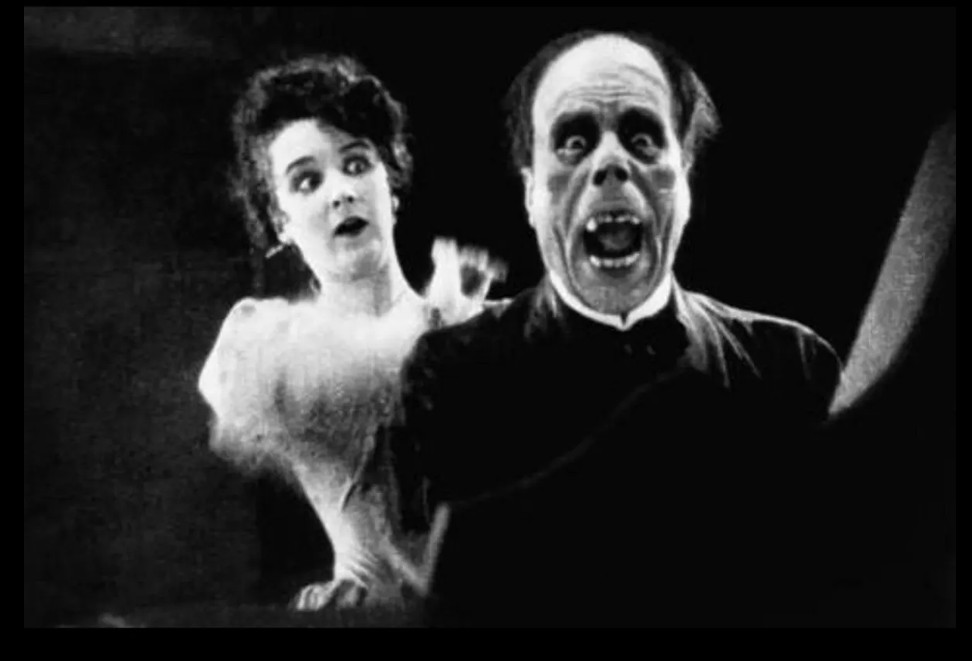
The Phantom of the Opera (1925), Starring Lon Chaney
Silent Scares Keep it creepy with a silent scary movie
Nosferatu – 1922
Dr. Jekyll and Mr. Hyde – 1922
Phantom of the Opera – 1925
The Cabinet of Dr. Caligari – 1920
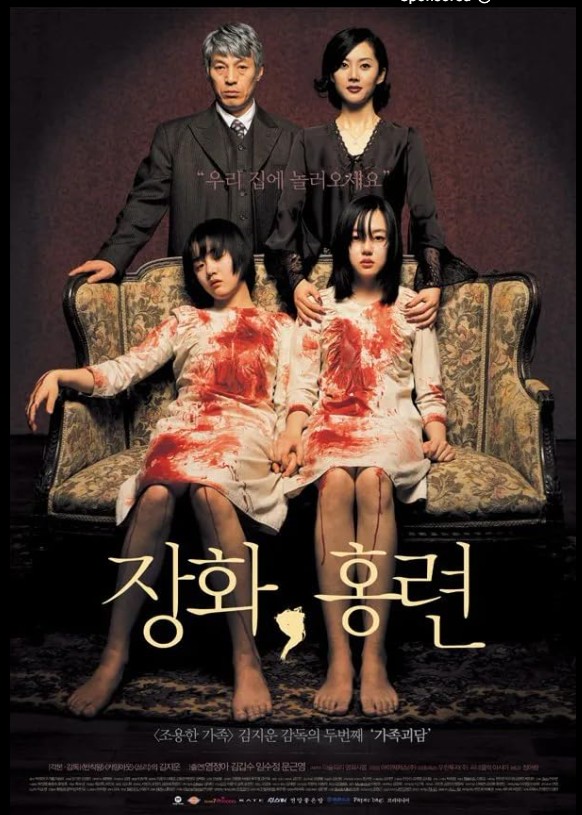
A Tale of Two Sisters (2003), Directed by Kim Jee-woon
Beauty in the Darkness Films that are equally high on scares and aesthetics
A Tale of Two Sisters – 2003
Let The Right One In – 2008
Suspiria – 1977 & 2018
A Girl Walks Home Alone at Night – 2014
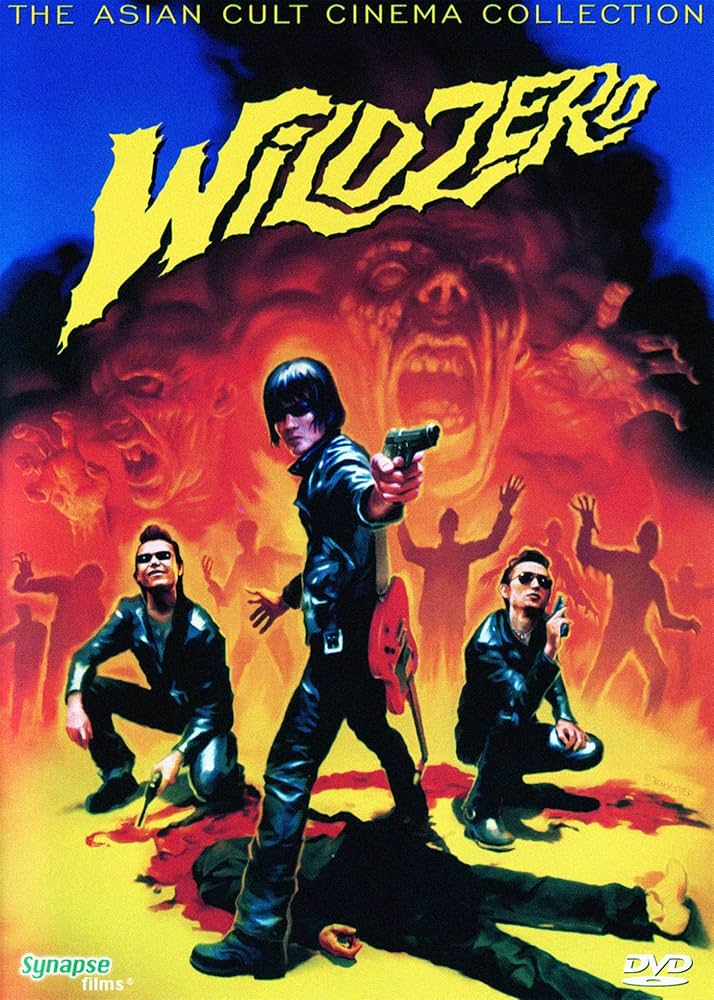
Wild Zero (1999), Starring Guitar Wolf
Horror Comedies Laugh, scream, and laugh again . When silly meets spooky, everyone wins.
What We Do In The Shadows – 2014
Shaun of the Dead – 2004
Wild Zero – 1999
Return of the Living Dead – 1985
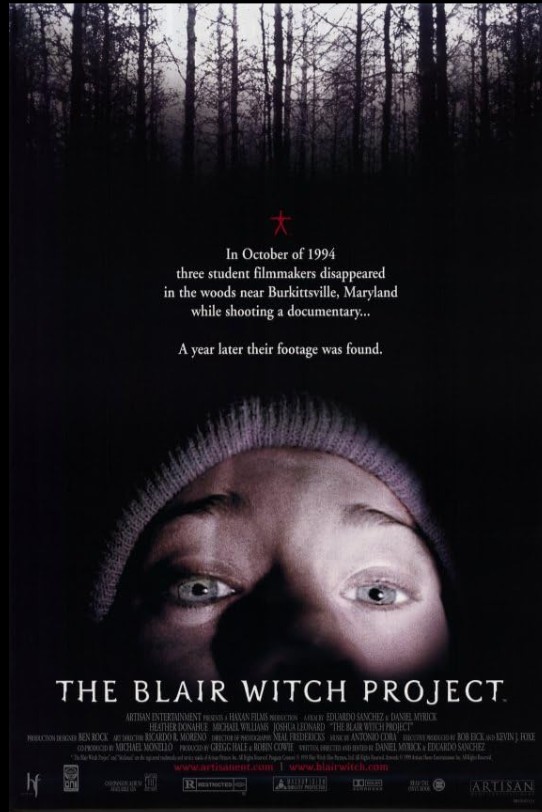
The Blair Witch Project (1999)
Found Footage Favorites Scares that feel all too real
The Blair Witch Project – 1999
Grave Encounters – 2011
Gonjiam: Haunted Asylum – 2018
Hell House LLC – 2015
Videodrome (1983), Directed by David Cronenberg
Body Ody Ody Horror For when it’s time to get gross
The Substance – 2024
Videodrome – 1983
The Thing – 1982
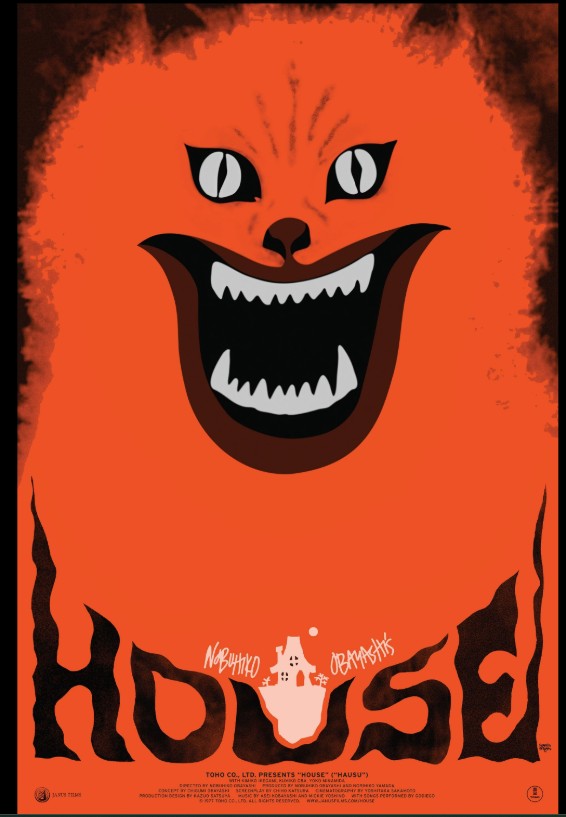
House “Hausu” (1977), Directed by Nobuhiko Obayashi
WTF Did I Just Watch Surreal films that stick with you long after the credits roll
Audition – 1999
House – 1977
Titane – 2001
Dead Alive (Braindead) – 1982
Happy Halloween ghouls! Drop your Halloween horror line up in the comments.
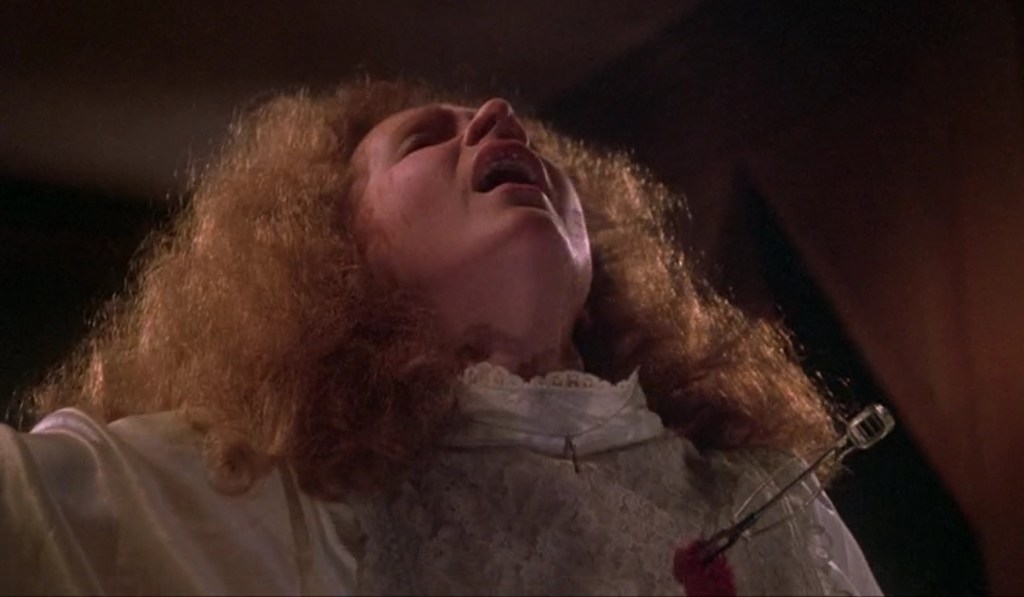
Piper Laurie as Margaret White in Brian De Palma’s 1976 adaptation of Carrie, released by United Artists
Margaret White is a horror icon in life and in death. While several extremely talented actresses have taken on the role of Carrie White’s fanatical mother, no performance has reached the charismatic yet unhinged fever dream of Piper Laurie in Brian De Palma’s 1976 adaptation of Carrie. Laurie’s ability to capture the both the zealotry and otherworldly oddness of Margaret White remains a beacon for horror fans and an enduring pop culture reference nearly 50 years after the movie’s original release.
Pre-production, Piper Laurie famously believed Carrie was a ‘lyrical black comedy’ and not an actual horror film. She couldn’t comprehend that this deranged woman who shouted about her daughter’s “dirty pillows” could be anything but satire. Even if initially misguided, I think this perspective ended up freeing Laurie to explore the frenetic darkness of Margaret White without a need to ground the character in realism—consequently creating a silver screen portrayal that defied genre.
Laurie earned her a second Oscar nomination for transforming Margaret White into a fully-conceived villain that is gleefully over-the-top yet entirely believable. With an untamable mane of hair, dramatic cape, and a sing-songy voice that vacillates between vulnerable and manipulative, her very presence vibrates off the screen with a confidence that seems even more gauche next to Carrie’s overwhelming shyness.
From the moment we see her proselytizing to the neighbors, we know exactly who Margaret White is, and how her religious fervor shapes the way she both perceives and abuses her daughter. Her dogmatism acting as both a mask and a projection of her inner turmoil.
It’s easy write off that kind of character as just another blind Christian fanatic, but Piper Laurie as Margaret White radiates such an intensely felt sense of self that it permeates her religious zealotry. There is an argument to be made that Margaret White is the actual God she claims to worship under another name. Her staunch refusal to engage with reality combined with an unyielding need for control makes Margaret feel more like the leader of her own one-woman cult vs. a humble servant of her professed faith.
**Spoiler Alert**
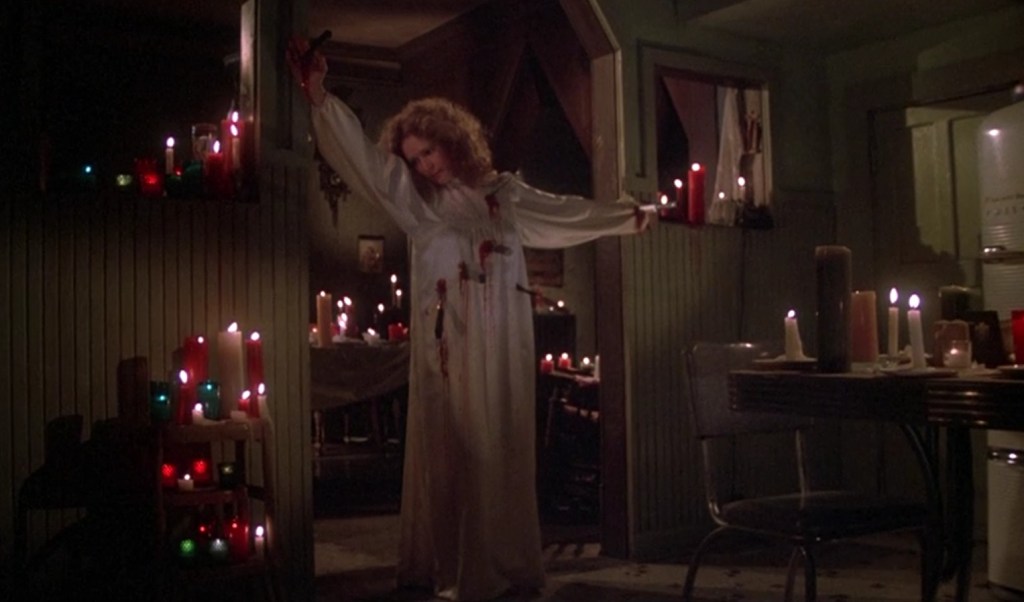
The culmination of this devotion is realized in Margaret White’s epic death scene. After literally stabbing her daughter in the back, Margaret is given a cinematic end befitting her grotesquely repressed character—being crucified with kitchen utensils (in the style of her beloved St. Sebastian statue) as Carrie burns the house down around them.
When it hurts so good
Side note: Transforming domestic cooking tools associated with nourishment and nurturing into weapons against a negligent mother feels very on point for mid-twentieth century horror.
Once the knives and forks go in, Margaret’s wild moaning starts, then her head begins to loll back and forth; opening and closing her eyes as her grunts waver between anguish and ecstasy. And they don’t stop—the euphoric groans only growing deeper and more exhaustive with each breath as Carrie quivers in the corner.
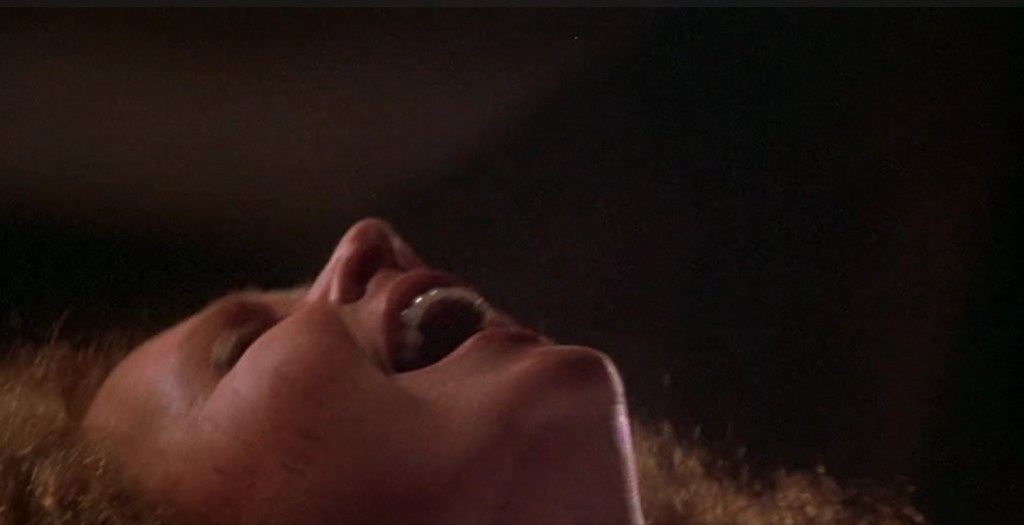
From the penetration of the first flying knife to the moment Margaret’s head finally rolls down onto her shoulder, her orgasmic death rattle lasts not five seconds, not 10, not even 30 seconds, but a nearly incomprehensible 58 seconds. That’s basically a full minute of orgasmic wails and swelling music and Margaret White tossing her head back and forth in sublime ecstasy.
Margaret White thoroughly enjoying her kitchen crucifixion
She doesn’t seem scared or confused or even in significant pain during her crucifixion, to the point where some of the moans almost sound like laughter. And while a minute may not seem like an eternity outside of the movies, in a 98-minute film, Margaret White’s death orgasm is nearly 1% of Carrie’s total runtime.
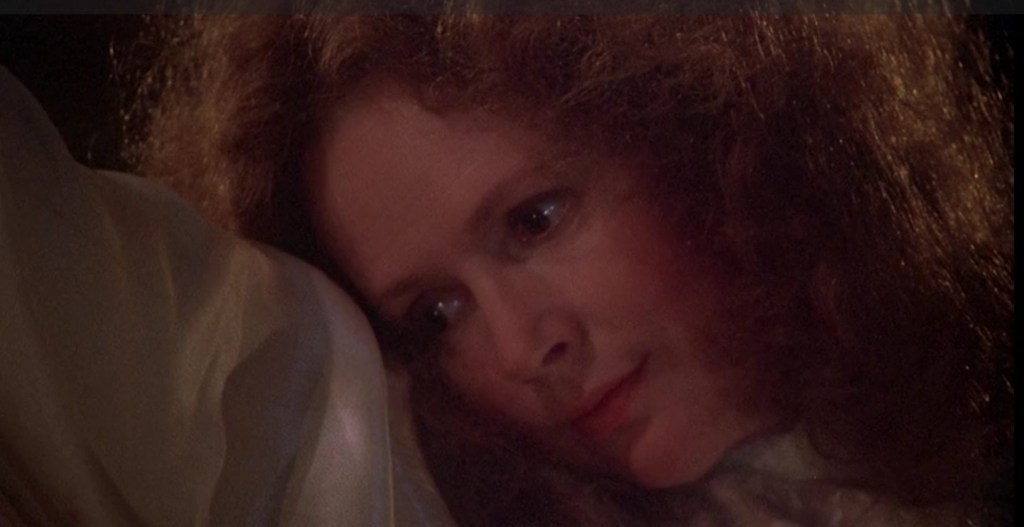
And she dies with a smile
At the end of Carrie, Margaret White is absolutely ready to die, but not before letting out the window shattering, eye-crossing, time-warping orgasm she’s been holding in her entire adult life. This is what happens after decades of pent up, shamed-fueled celibacy. Being crucified by her telekinetic daughter may not have been the way Margaret White envisioned meeting her end, but in Piper Laurie’s hands, she’s more than happy to go out with a smile on her face after the best orgasm of her life. So, who really gets the last laugh?
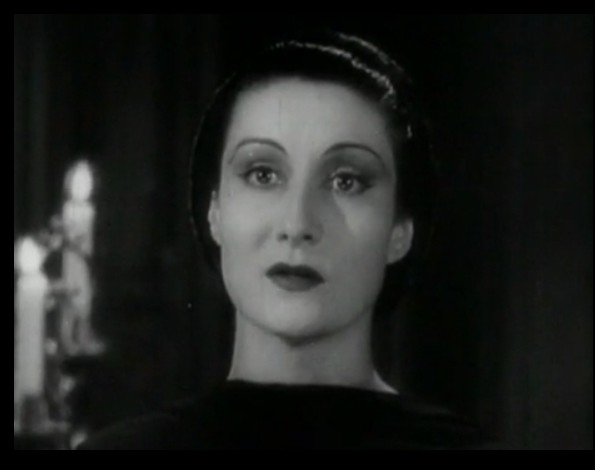
Stylish and subversive, Dracula’s Daughter (1936) is the often-overlooked sequel to 1931’s Dracula and one of the rare Universal horror classics that deserves a modern remake. The story follows Countess Marya Zaleska (Gloria Holden), the reluctant daughter of the legendary Count Dracula, as she struggles against her insatiable nightly desire for women and blood. The plot is loosely based the 1872 novella, Carmilla by Joseph Sheridan Le Fanu, which predates Bram Stoker’s Dracula by 25 years and focuses on a fictional lesbian vampire. Yes, in 1935 Universal Pictures made a female-led, queer coded sequel to one of their most successful monster movies…and most of it works.
Dracula’s Daughter narratively begins moments after Dracula (1931) ends, but quickly diverges both thematically and stylistically under director Lambert Hillyer. In Dracula, Bela Lugosi’s iconic vampire takes a studied, masochistic pleasure in seducing his victims. Every scene plays with ideas of lust, desire, and submission, starting with Lugosi’s memorizing stare straight into the camera. He is always impeccably dressed and speaks with a confident eloquence that reeks of good breeding. He charms his way through every social interaction, whether leading Renfield through his decaying castle or dazzling Mina and Lucy at the theater. This calculated air of mannered affluence is the camouflage that allows Dracula to hide among his victims. Dracula’s Daughter explores similar themes of desire, classism, and submission, only now that it’s a women doing a preying, the monster changes from a charismatic count to a tortured lesbian.
In full transparency, the word ‘lesbian’ is never uttered in the film, only heavily implied. However, even in 1936 with the Hays Code in full effect, many audiences picked up on the overt clues that Countess Zaleska’s vampirism was a stand-in for homosexuality.
Hollywood Censorship – A Quick Primer on The Hays Code
The Hays Code refers to a set of so-called ‘morality guidelines’ adopted by the Hollywood studio system in 1930 to avoid potential government censorship by essentially pre-censoring themselves. Sex, profanity, nudity, childbirth, interracial relationships, glorifying crime, and other acts deemed ‘immoral’ were forbidden to sidestep any public claims of indecency.
While the Hays Code was voluntary for studios, the rules were mandatory for filmmakers if they wanted distribution in the United States. With directors banned from showing ‘crime in a positive light’ and homosexuality being illegal in 1936 America, there are no happy endings allowed for gay characters. In fact, characters exhibiting any queer-coded traits or actions had to end up dead, incarcerated, or a victim to some other form of punishment.
Luckily, the Hays Code was abandoned in 1968, which is why the mainstream shift to the drugs, sex, and violence in many iconic 1970s movies can feel both exciting and jarring for classic film fans.
Now back to our regularly scheduled movie review.
Countess Zaleska – Universal’s Queer Horror Queen
As mentioned earlier, Dracula’s Daughter opens just as 1931’s Dracula ends, with Van Helsing still in Carfax Abbey, just moments after driving a stake through Dracula’s heart. He confesses Dracula’s murder to the police and is promptly arrested. This creates the opportunity for for Countess Zeleska to steal her father’s corpse from Scotland Yard with the help of her familiar/manservant, Sandor, and destroy it with fire an elaborate funeral ritual. Once Dracula’s body is burnt to a crisp, Countess Zaleska believes she’ll finally get her one true wish – to stop being a vampire and return to a normal human life (complete with heterosexual impulses).
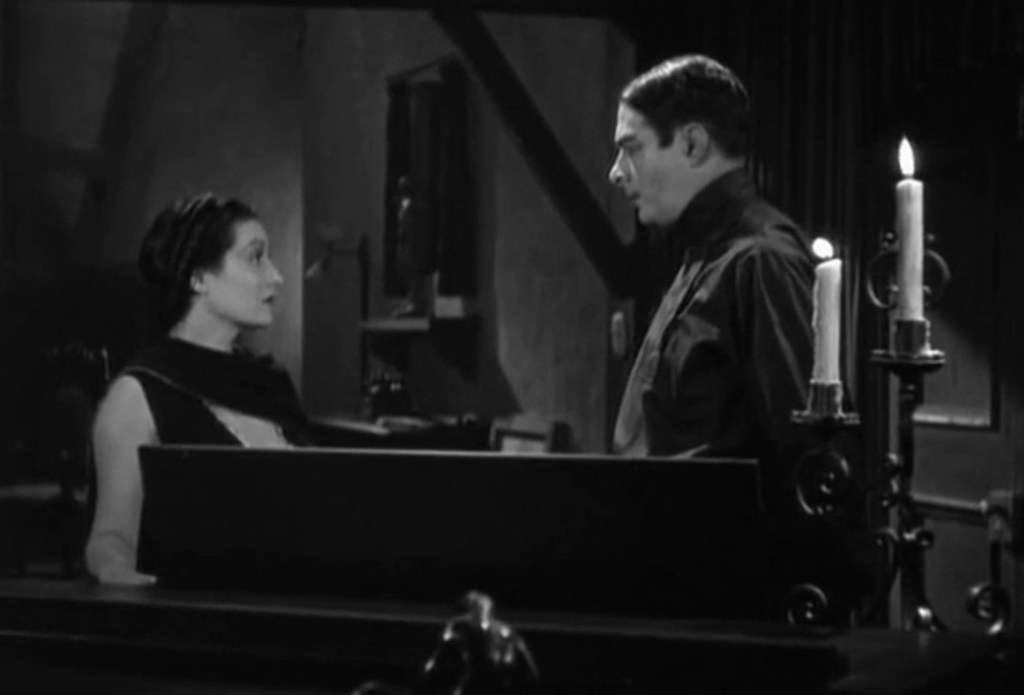
Unlike her famous father, Countess Zaleska does not enjoy being a vampire. She stares longingly into the middle distance and plays melancholy hymns at her piano. She pleads for mercy to unseen gods, spending night after night wishing she was different – a familiar form of self-loathing for many queer kids. Zaleska will do anything to convince herself that she can be like everyone else and “think normal things.” Like what they like, love who they love. But despite her earnest desire, Countess Zaleska is a vampire, and she prefers her meals on the female side.
Movie monsters have always been metaphors, and Countess Zaleska’s very existence is an expression of common homophobic themes from that era. The idea of a blood-sucking night demon feeding on young, beautiful girls dovetails perfectly with pernicious ideas about lesbians as pariahs that ruin families by seducing innocent straight women.
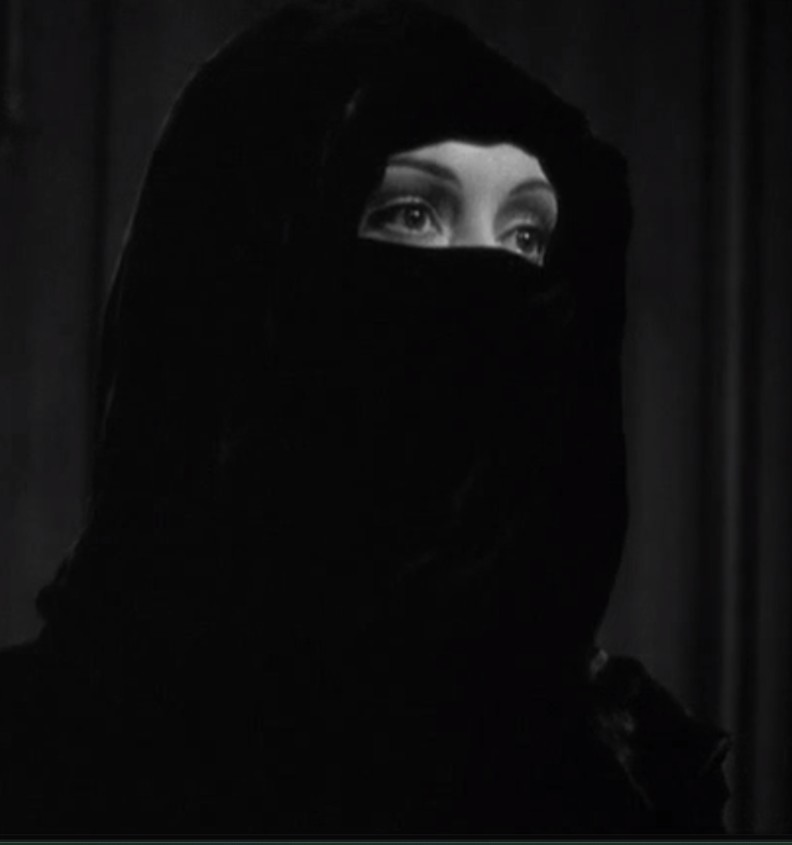
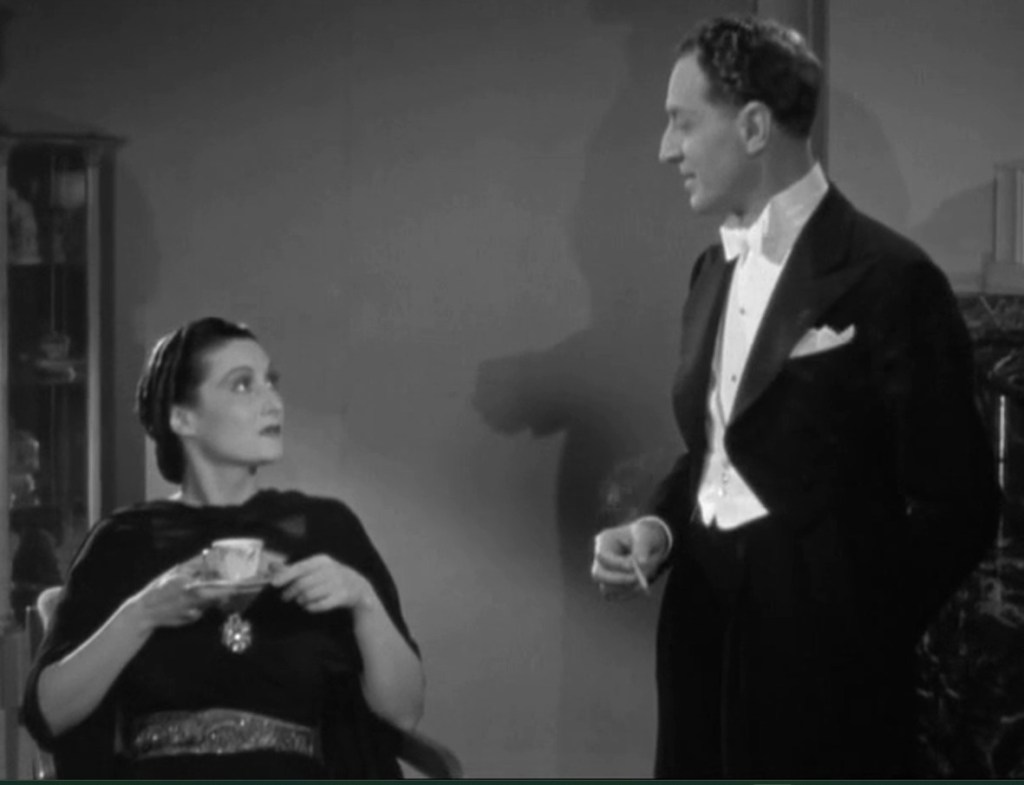
Zaleska is always elegantly dressed in expensive dresses with simple lines and heavy cloaks. Her hair is dark and slicked back, her demeanor calm but somber. These stylistic choices alone visually separate the countess as an other from the more traditionally feminine women in the film with their flowers and ruffles. She constantly hides part of her face and hypnotizes her victims with an elaborate jeweled ring worn on her wedding finger. Zaleska’s inherent shame like a shadow over every scene.
When Dracula’s death does nothing to diminish her hunger, desperation sets in. Zaleska turns to renowned psychiatrist, Dr. Jeffrey Garth (Otto Kruger), as a potential path to heteronormative salvation. While this seems like a standard plot device, it is not a coincidence that Zaleska purposely chooses a medical-based remedy for her affliction.
Homosexual behavior was historically seen as a disease of the mind, much like popular ‘women-centric’ diagnoses like hysteria. A vampire seeking a scientific intervention to cure an ‘obsession’ mirrors how queer people have often either voluntarily or forcibly been put through traumatic medical and psychiatric treatments to repress their sexuality. If Zaleska could use her mind to conquer the darkness, she could stop her incessant desire to slip out into the night and seek out the company of young women. At least, that’s the theory.
*Spoiler Alert – You’ve Been Warned*
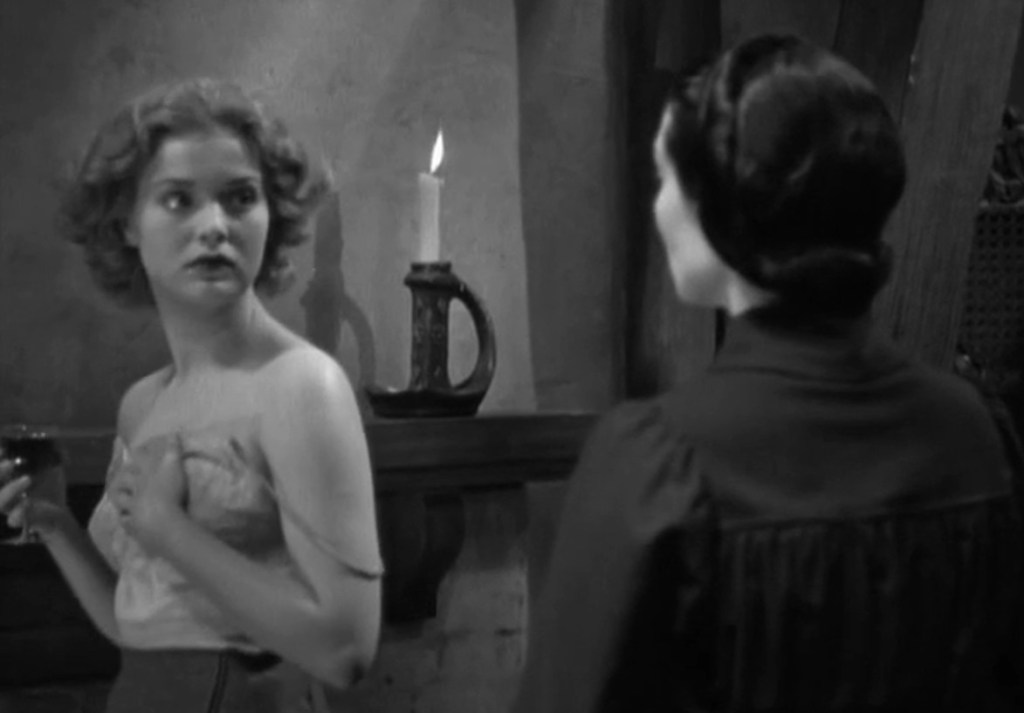
The most famous and provocative scene in the film takes place in Zaleska’s art studio as she fights against but eventually succumbs to her desire for female flesh.
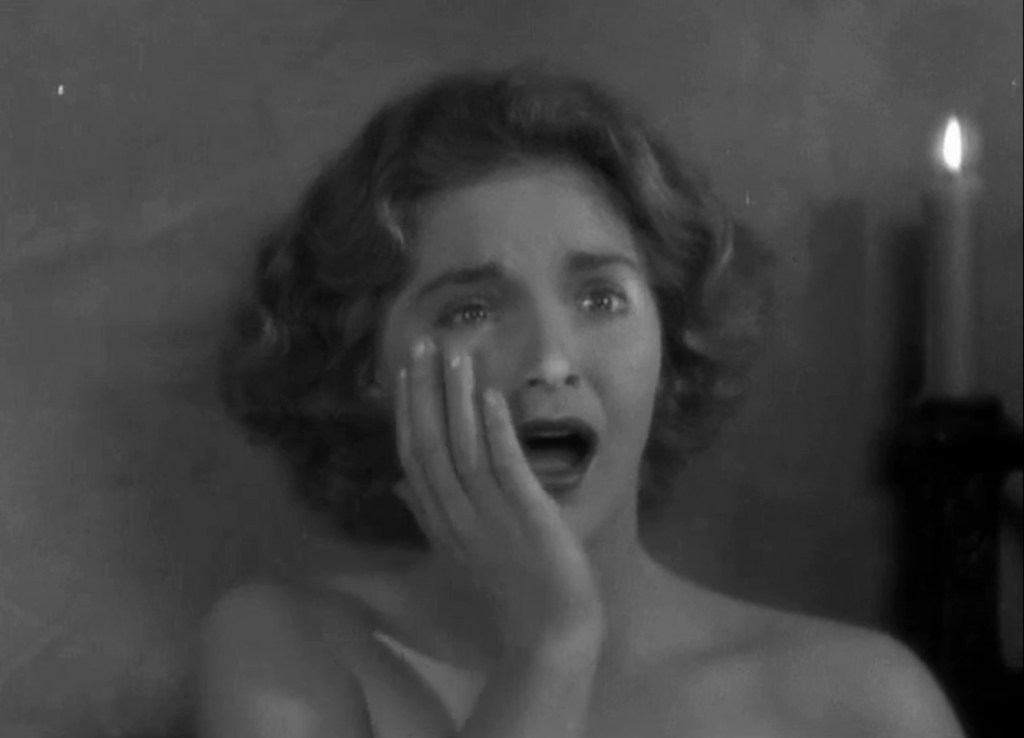
After meeting with Dr. Garth, Zaleska decides to test her newfound willpower by sending Sandor out into the night to find a live model for a painting session. Sandor discovers a beautiful young woman named Lili near the river and persuades her to come back to the studio with promises of food, money and warmth for posing as an artist model. Zaleska seems calm enough at first as she instructs Lili to remove her blouse and stand near the fireplace. Lili still has her slip on, but the moment the she pulls those straps down, Zaleska’s entire demeanor changes.
Suddenly the countess becomes her father’s daughter, a controlled and seductive predator. Zaleska raises her hypnosis ring, asking Lili if she likes jewelry as she begins moving closer. Even with the hypnosis taking effect, Lili is clearly scared and uncomfortable. She begins pleading to leave as Zaleska continues walking towards her. The film blurs and camera literally shifts to the ceiling then cuts to black as Lili screams offscreen.
While there are a lot of bright moments in the film, the plot declines rapidly after this scene due to several narrative missteps. In addition to dealing with Hays Code restrictions, Dracula’s Daughter began filming before the script was completed due to a rights issue with MGM, and it shows in some of the pacing and transitions.
The promise delivered in the first half of the movie as the countess struggles with her guilt and seeks to cure her condition fizzles out in a sloppy third act. Zaleska’s previously clear motives are lost in a half-baked blackmail plot that moves the action from London to Transylvania. After realizing there’s no medical way to stop her vampiric longings, Countess Zaleska kidnaps Dr. Garth’s assistant/love interest Janet in order to force Dr. Garth to become Zaleska’s eternal vampire companion. If he doesn’t agree to stay with her, she’ll kill Janet. If you think this plot twist makes little to no sense, you would be absolutely correct.
Why would Zaleska suddenly want Dr. Garth to join her as a vampire when her primary goal is to stop being a vampire? They have no real relationship other than 2 – 3 conversations about psychiatry and there’s no evidence her feelings are based on either love or attraction. Yet, she’s convinced she needs this particular man around her always, even telling him “You are the one person that stands between me and utter destruction” and “I need you to save my soul.” The scenario only begins to make sense if you believe that since Zaleska has accepted her vampiric fate, the only thing Dr. Garth could hypothetically ‘save’ her from is being a lesbian.
Ironically, the film ends up reaffirming that just like being a vampire, being gay isn’t something you can pray or medicate away, it’s just who you are.
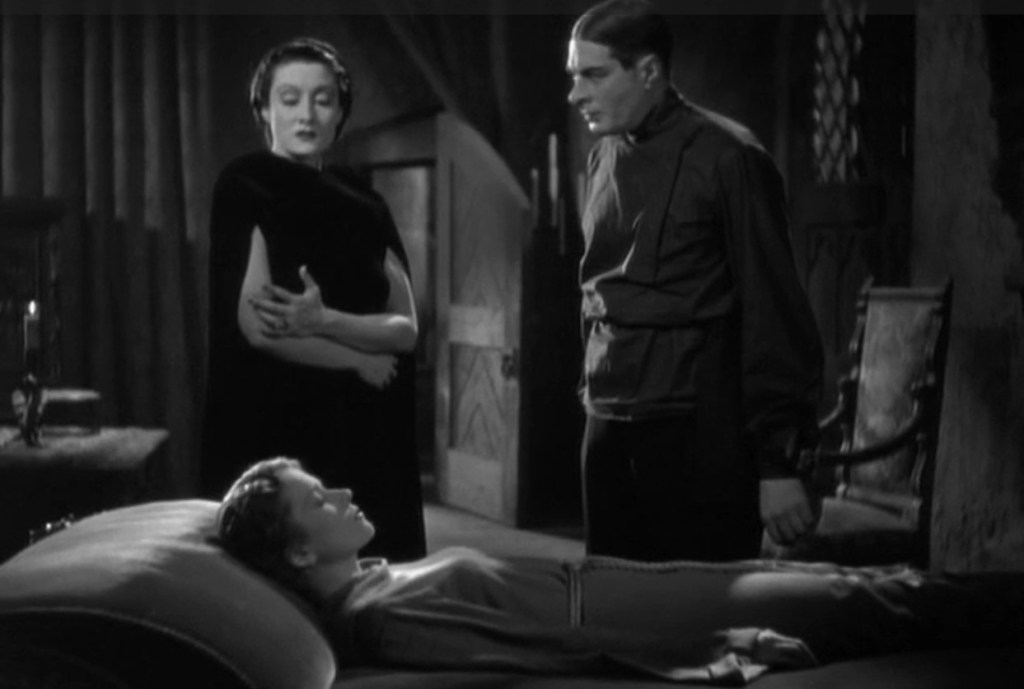
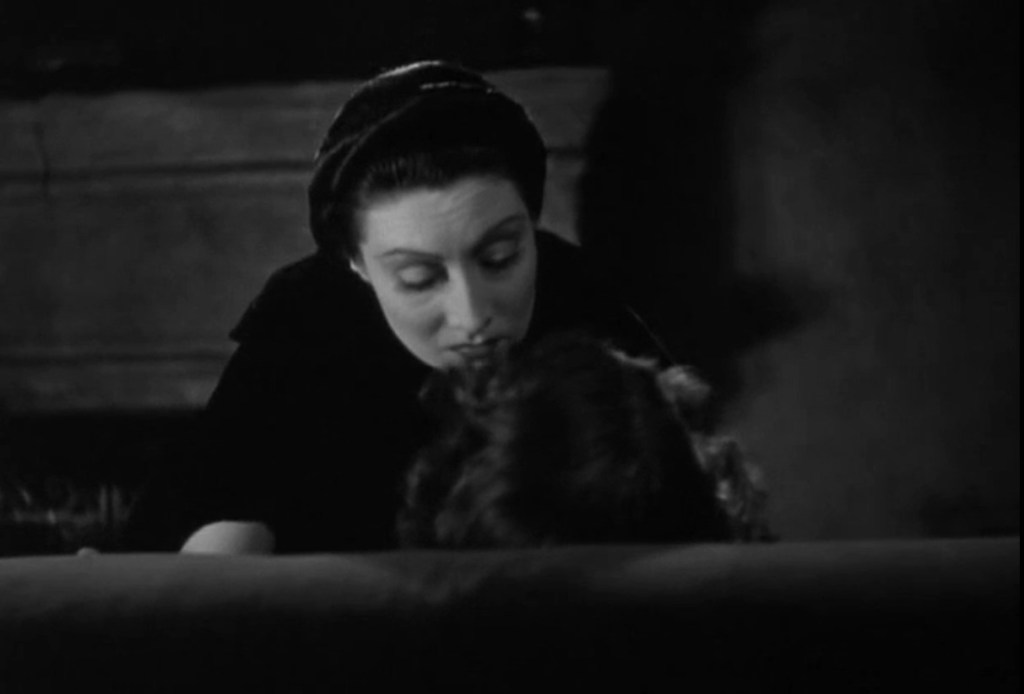
Now back in Transylvania with Janet’s unconscious body, Zaleska finds herself once again overcome with desire. Even as the countess tells Sandor her vampire plans for Dr. Garth, her eyes cannot leave Janet. She doesn’t even blink. When Sandor says, ‘You won’t wait long” before exiting the room, he’s right. The bedroom door is barely shut before Zaleska moves onto the bed and lingers over Janet’s sleeping face. The scene is coyishly framed so you can only see Zaleska’s face moving downwards and the back of Janet’s head. The result ends up looking more like a couple about to kiss vs an actual vampire attack. Of course, Dr. Garth bursts into the room just in time to stop the action and save Janet from Zaleska (or vice versa).
This misguided kidnapping/blackmail plot comes to a close when Zaleska’s trusty manservant Sandor murders her (with an arrow of all things) for gall of attempting to transform Dr. Garth into a vampire instead of him. Sandor grabs another arrow to kill Dr. Garth, but is shot in the process by a policeman.
Other than the bad guys dying at the end, there’s no real resolution for the main characters. The closest you get is Dr. Garth and Janet conveniently realizing that they love each other and are now safe to enjoy a traditional, no-homo life back in London.
Is there a future for Dracula’s Daughter?
Even with the rushed and confusing ending, there’s more than enough good ideas in Dracula’s Daughter to warrant a nuanced remake. One that explores the moral quandaries of being a reluctant vampire without being buried in villainized queer trauma. Imagine what a cerebral director like Jennifer Kent (The Babadook) or Mary Haron (American Psycho) could do with Zaleska’s spiraling cycles of guilt and seduction. Or how highly-visual directors like Coralie Fargeat (The Substance) and Nia DaCosta (Candyman 2021) could explore repressed female desire though the lens of body horror.
There have been multiple compelling, character-driven vampire films released over the last two decades, from Let The Right One In (2008) to Ana Lily Amirpour’s A Girl Walks Home Alone at Night (2014).But when it comes to lesbian vampire films, we’re still mostly relegated to campy, cleavage-heavy Hammer movies from the 70s (which are fun, but for different reasons) and stylish cult classics like The Hunger (1983), which focus more on style than plot.
I think queer movie fans deserve better and I’d love to see what a talented screenwriter and director could do by remaking Dracula’s Daughter for a modern audience.
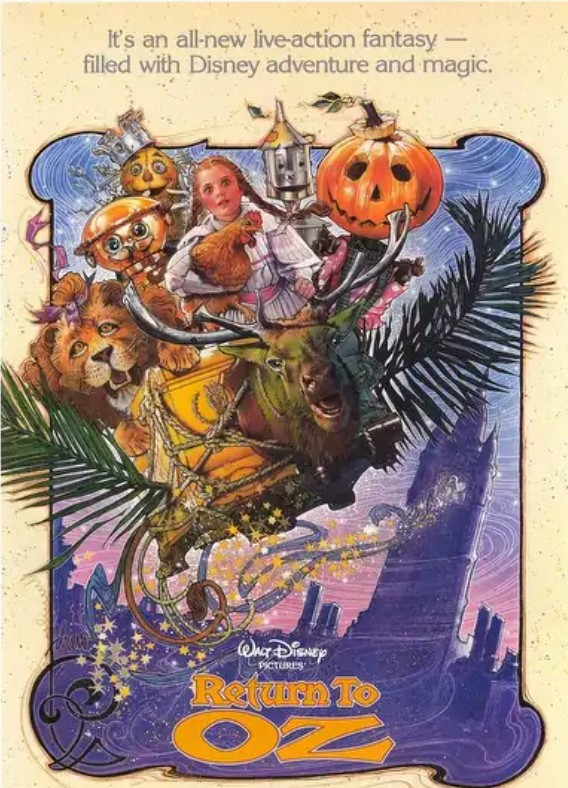
Based on L. Frank Baum’s Marvelous Land of Oz (1904) and Ozma of Oz (1907)
Starring Fairuza Balk
Released by Disney in 1985
Beware: Spoilers Included
Every horror fan has a gateway film. The movie (or TV show) that alters your brain chemistry until you find yourself with nightly cravings for monster movies, 80s slashers, and supernatural thrillers.
I spent countless weekends as a kid watching horror movies with my dad. He didn’t believe in pesky things like movie ratings, so we bonded over everything from Alien and Tales from the Crypt to TheToxic Avenger. But that wasn’t the start of my horror infatuation, just the outcome. There was also a particularly memorable fourth-grade sleepover watching Night of the Demons (1988) on VHS. The image of Linnea Quigley shoving that whole tube of lipstick directly into her breast is still burned into my psyche, but even that core memory wasn’t the beginning.
My unintended introduction to horror took place a few years earlier, when my parents let their five-year-old, Wizard of Oz-obsessed daughter watch the unofficial 1985 sequel, Return to Oz. While I readily admit that this overlooked Disney classic is a fantasy adventure for children and not a horror movie, it is in fact, 100% a horror movie.
**WARNING – Spoilers Ahead**
Dorothy Gets Admitted to a Mental Asylum
When the film begins, our beloved Dorothy Gale (played by Fairuza Balk) is back on the farm with Aunt Em and Uncle Henry, but she just can’t sleep. It’s been six months since her whirlwind trip to Oz, yet Dorothy lies awake night after night obsessing over the colorful world she found and the friends she left behind.
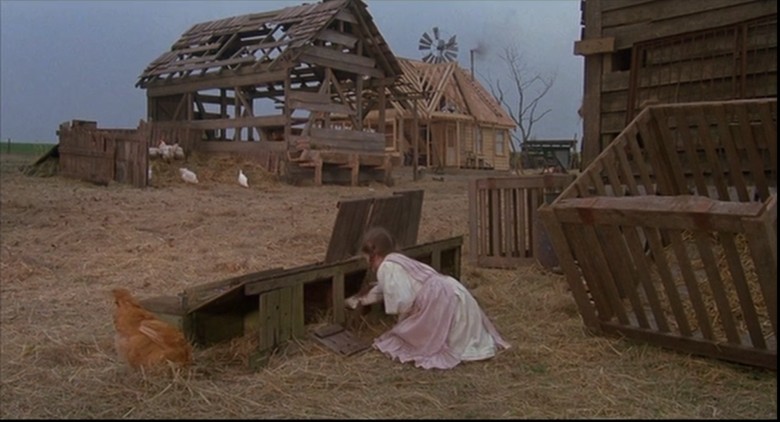
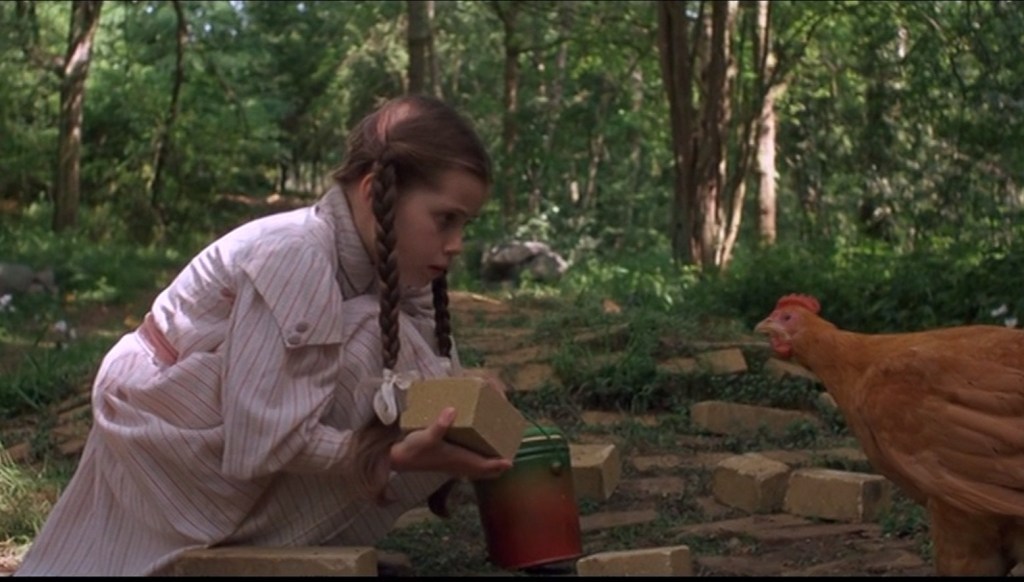
Her disposition is understandable. Unlike 1939’s Wizard of Oz, which was shot entirely on soundstages, the outdoor Kansas scenes in Return to Oz were shot during a gray, freezing October in Salisbury Plain, UK. The result is an authentically bleak atmosphere that would feel right at home in a Robert Eggers film. The family is now completely isolated the farm. There are no nosy neighbors or comical farmhands this time around. Dorothy’s only friends are her dog Toto and a chicken named Billina. Everything around them exists in some depressing shade of beige.
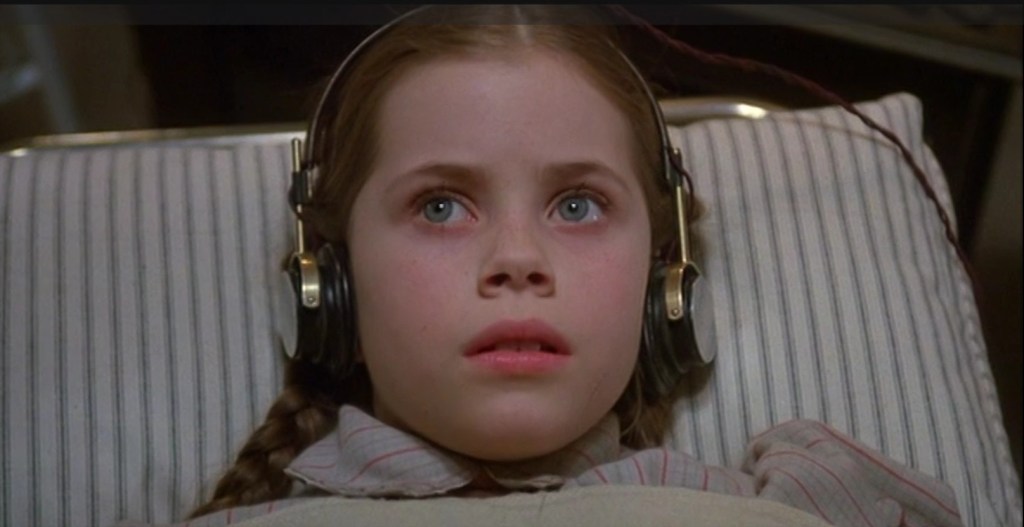
The dreary mood shifts into nightmare territory however when Aunt Em decides the best cure for Dorothy’s insomnia is taking her to Doctor Worley’s Sanatorium of Electric Healing after seeing an ad in the newspaper. Yes, as unbelievable as it sounds, the actual premise of the film is an 11-year-old Dorothy Gale getting locked in an insane asylum and receiving electroshock therapy to remove her ‘delusions’ about visiting the Land of Oz.
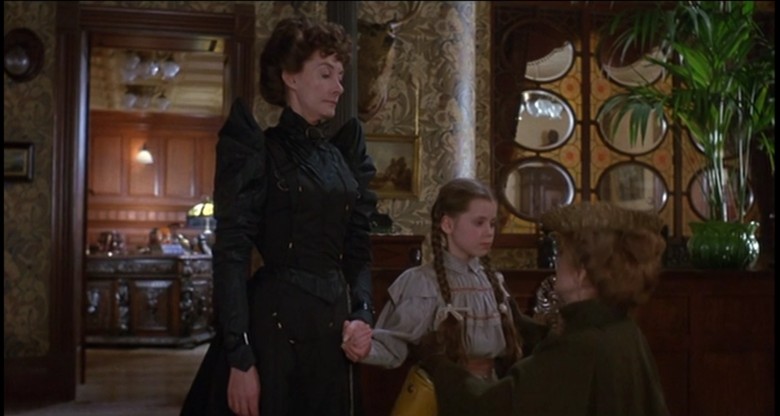
While Doctor Worley’s office is beautifully decorated in textured wallpaper and ornate Art Nouveau furniture, the rest of the sanitorium is cold and eerie, with tall, narrow hallways that instantly make you claustrophobic. The soundscape is equally disturbing. Unseen patients are heard moaning or screaming offscreen, accented by the shrill, squeaking wheels of the orderlies’ gurneys. Cementing the asylum’s creepy ambiance is Nurse Wilson, whose cold, unflinching certainty channels an Edwardian-era Nurse Ratched as she escorts Dorothy to her room.
During a violent thunderstorm, a mysterious blonde girl appears and saves Dorothy just as she is about to get her first electroshock treatment. The two escape into the woods and end up falling into a raging river as Nurse Wilson and the orderlies chase them down. When Dorothy wakes up the next morning she’s magically back in Oz – but this is not the musical Technicolor Oz we saw in the 1939 film. This is something else entirely.
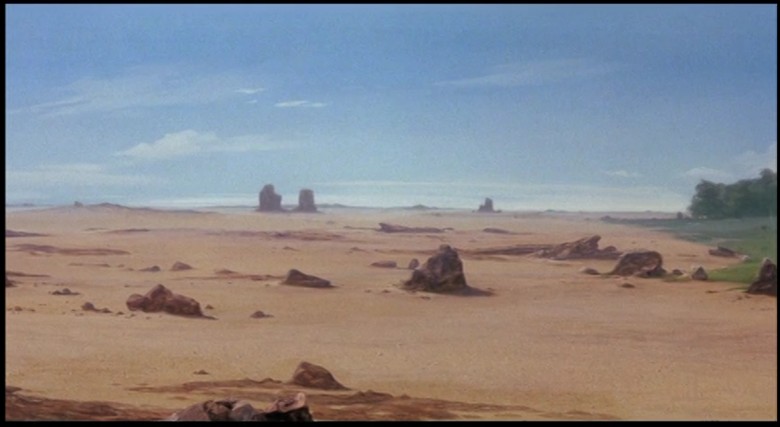
While Dorothy doesn’t murder a witch upon arrival, she manages to land in the other worst possible place – the Deadly Desert. This treacherous domain surrounds the Land of Oz and instantly kills any living thing that touches it. Lovely. To further complicate matters, Dorothy’s mysterious new friend is gone (presumed dead) and replaced by Billina, her favorite chicken from the farm – but now she can talk!
Dorothy cleverly uses a path of rocks to escape the killer sand before coming across another unexpected feature: the last remains of Munchkin Land. Sorry friends, but the munchkins are just gone. No charming thatched-roof houses and spires of colorful flowers. No expository songs with oversized lollipops. Dorothy is greeted by overgrown woods, the rotting remains of her old house from Kansas, and a very broken yellow brick road.
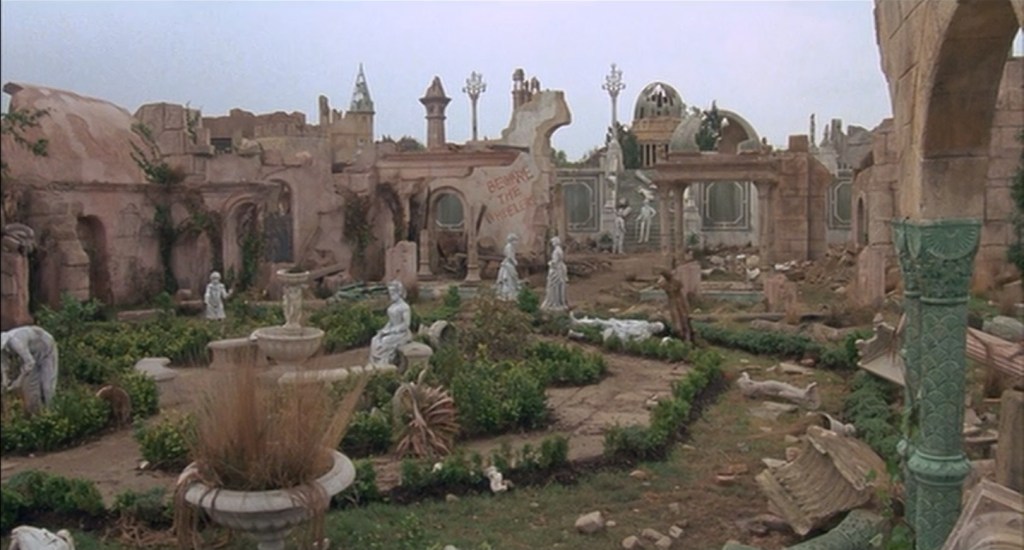
Dorothy follows the broken bricks all the way to the Emerald City (amazingly that takes minutes instead of days this time) and discovers the entire capital in ruins. It looks like a bomb went off. There are no sparkling gems or even intact buildings, only remnants of walls and piles of rubble. If that isn’t devasting enough, all the residents have been turned to stone, including the Cowardly Lion and the Tin Man. The only exception is the Scarecrow – who’s just missing entirely.
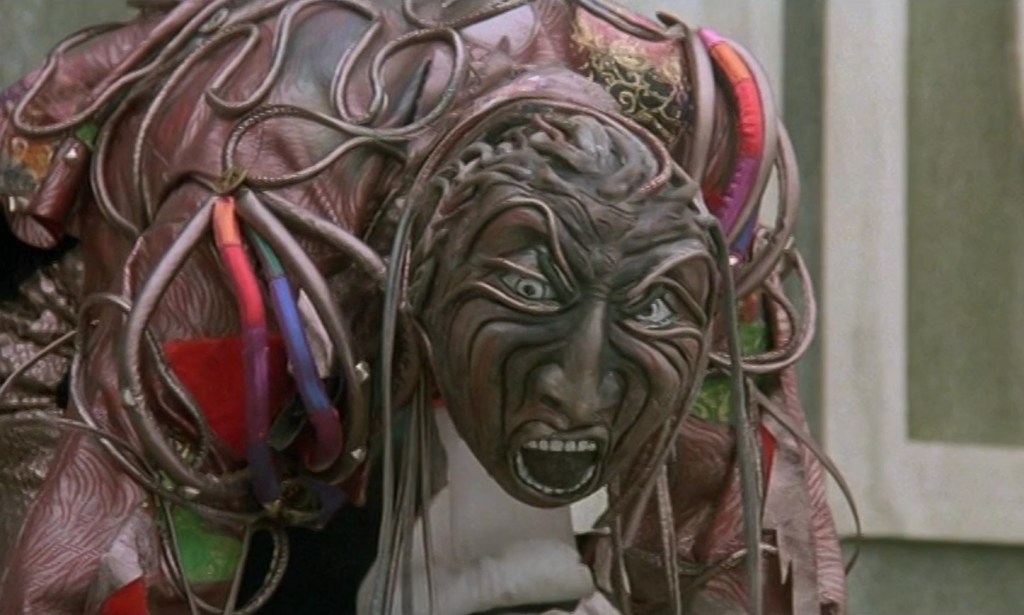
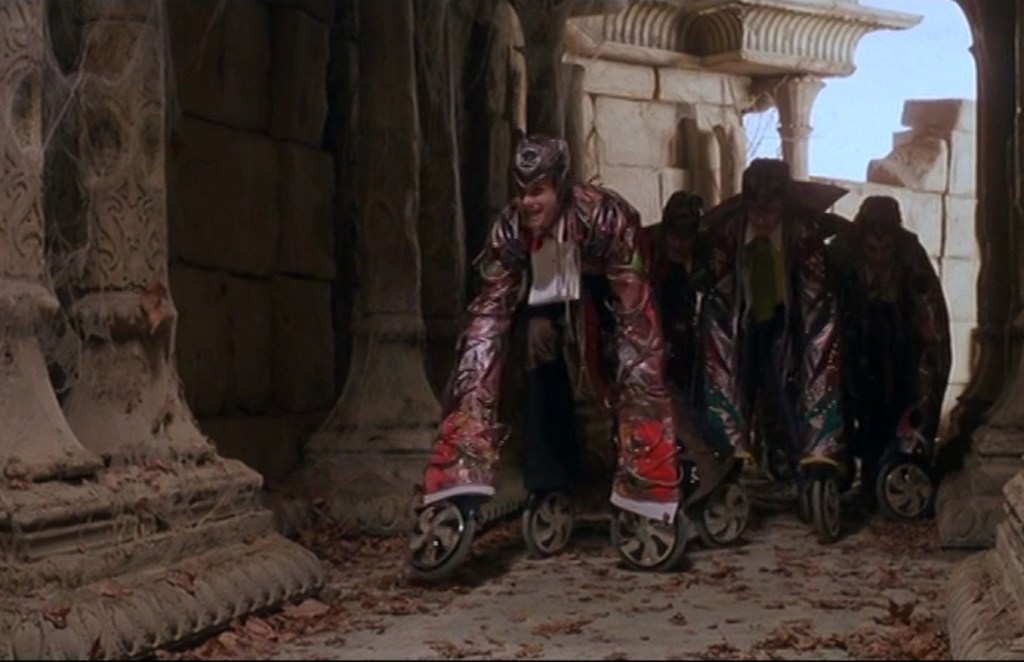
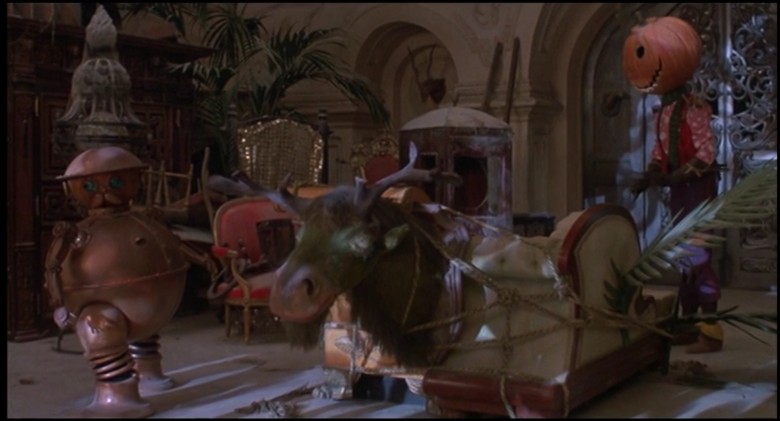
This is also where Dorothy encounters The Wheelers, a murderous gang of demon-masked thugs with wheels instead of hands and feet. They laugh like hyenas and emit a shrill, squeaking noise as chase Dorothy and Billina around the toppled columns and the blank-eyed statues that used to be people. Dorothy eventually escapes them by accessing a secret room at the end of an alley. Luckily, there is one good thing left in this dystopian wasteland and it’s Tik-Tok, the Royal Army of Oz, who was hidden by the Scarecrow during the siege on Emerald City.
Since Tik-Tok is a robot and technically not alive, he was not turned to stone like everyone else. With his help the trio fight off The Wheelers and arrive at the most terrifying part of the film, the castle of Princess Mombi.
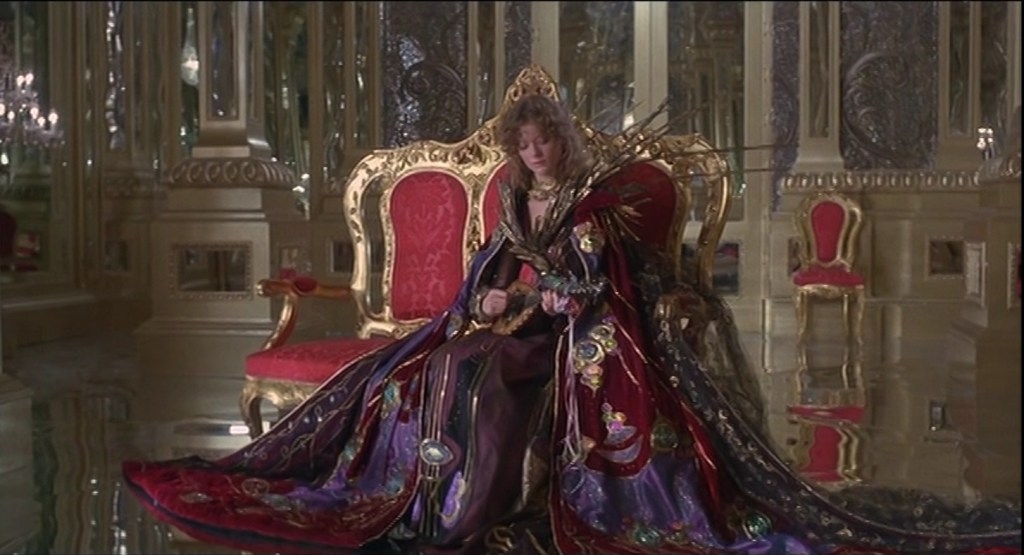
Princess Mombi is the woman who made me fall in love with horror. We first meet the Princess in her castle, ensconced a blinding room of gold and mirrors. Her costume is perfection. She’s draped in yards of expensive fabric, with long gold spikes extending behind her shoulders like gilded porcupine quills. When Dorothy, Tik-Tok, and Billina enter the room, she’s elegantly perched on a red tufted throne that looks straight out of Versailles, solely focused on playing her ribboned lute. She even yawns before extending a limp wrist and asking Dorothy to ‘help her rise’ – an unexpected yet impressive power move.
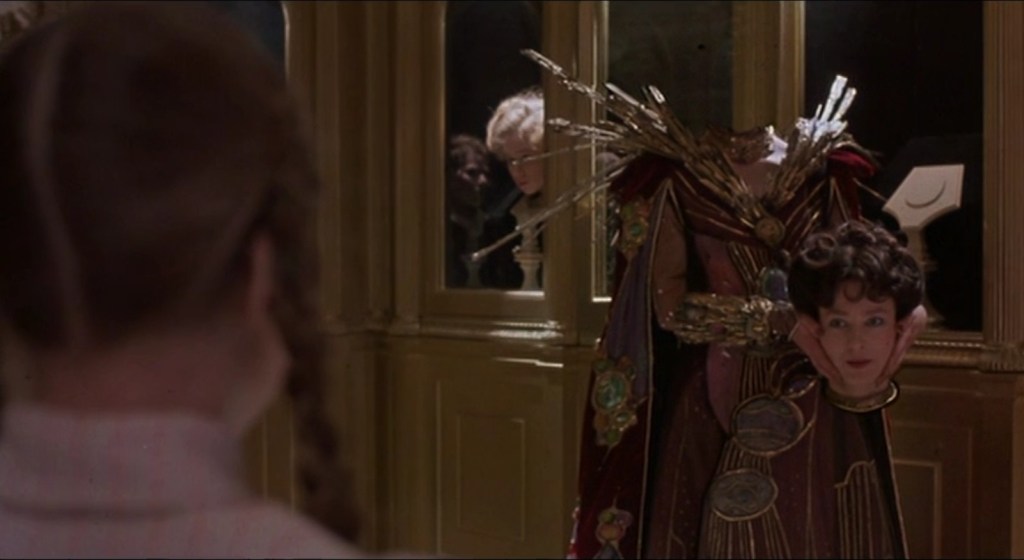
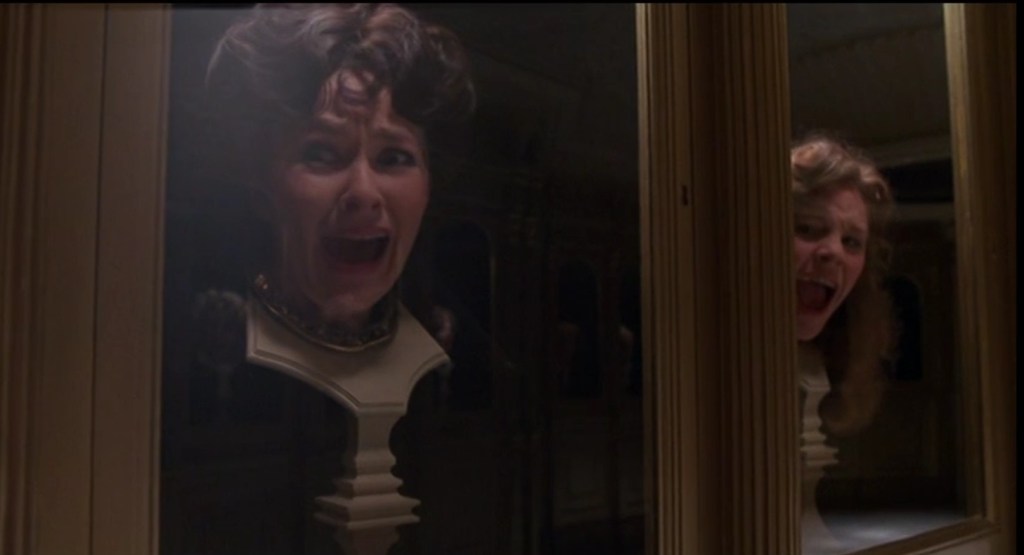
This calmness of course is just a façade. A way to disarm the trio from guessing her true intentions. All is revealed however when Mombi escorts Dorothy into what I lovingly call the Closet of Heads. This elaborate nook just off Mombi’s bedroom is lined on both sides in elegant cream-colored cabinets with arched glass fronts, each containing a woman’s head propped up on a stand. But these are no war trophies. They are alive. Their eyes are open. They watch Dorothy as she walks through the room. Mombi doesn’t even stop the conversation while swapping the blonde head she walked in with for the raven-haired head from cabinet #4. Changing heads is just like choosing the right wig or hat for each occasion.
We return to this terrifying closet only a few scenes later. After meeting and adopting the aptly-named Jack Pumpkinhead while locked in Mombi’s attic, Dorothy comes up with a bold escape plan. She just needs to build a living airplane out of a taxidermized gump head, two couches, a broom, and some palm fronds.
Yes, our girl Dorothy Gale goes full Frankenstein in order to escape an evil witch who’s only waiting for her to hit puberty so she can steal her head. It’s a kids movie! And while the full ethical implications will not be discussed here, the idea of bodily autonomy, consent, and obtaining God-like powers of creation are all familiar themes in horror.
Morality aside, the plan hinges on stealing Mombi’s Powder of Life, which is locked in the mirrored cabinet with her original head. Because this is a horror movie barely disguised as a children’s film, Dorothy accidentally wakes Mombi up during the powder heist. The music swells and Mombi starts shouting ‘Dorothy Gale…’ while her headless body shoots up from the bed and starts running towards the closet. Then all the cabinet heads open their eyes and begin to scream.
For five-year-old me, the abject terror of those screaming faces created a full-body rush many horror fans recognize. Your heart is pounding. There’s a pit in your stomach. You’re either breathing too much or holding your breath entirely. It’s a full visceral reaction that once felt either puts you off horror forever or keeps you chasing that high like a fear junkie. I was hooked.
While the screaming heads are the horror apex of the film, I have to mention a few more honestly terrifying moments that take place after Dorothy, Jack Pumpkinhead, Billina, Tik-Tok, and their new vehicle/travel companion The Gump, flee Mombi’s castle and find themselves imprisoned within the Nome King’s Mountain.
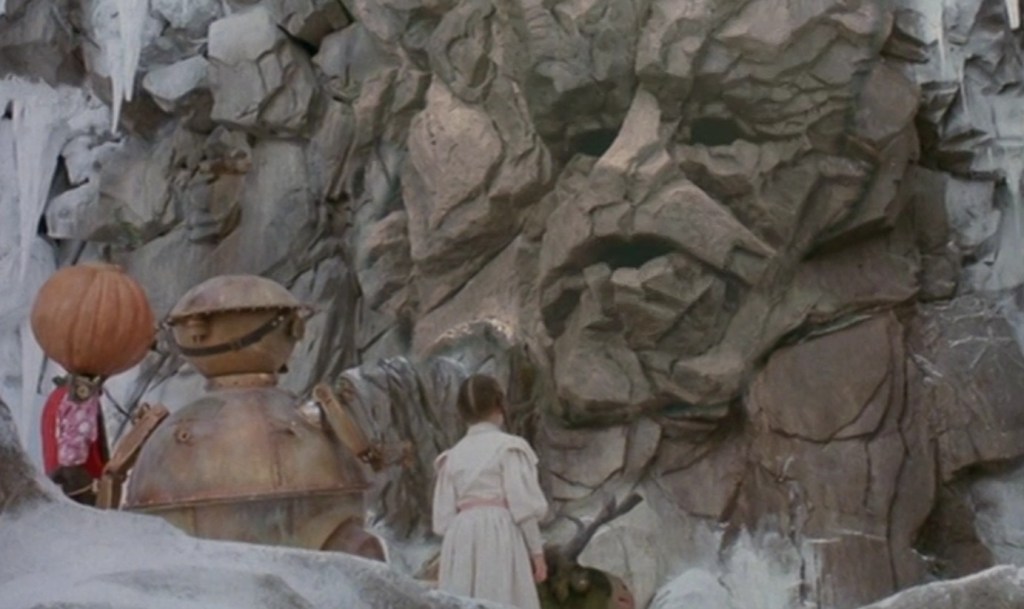
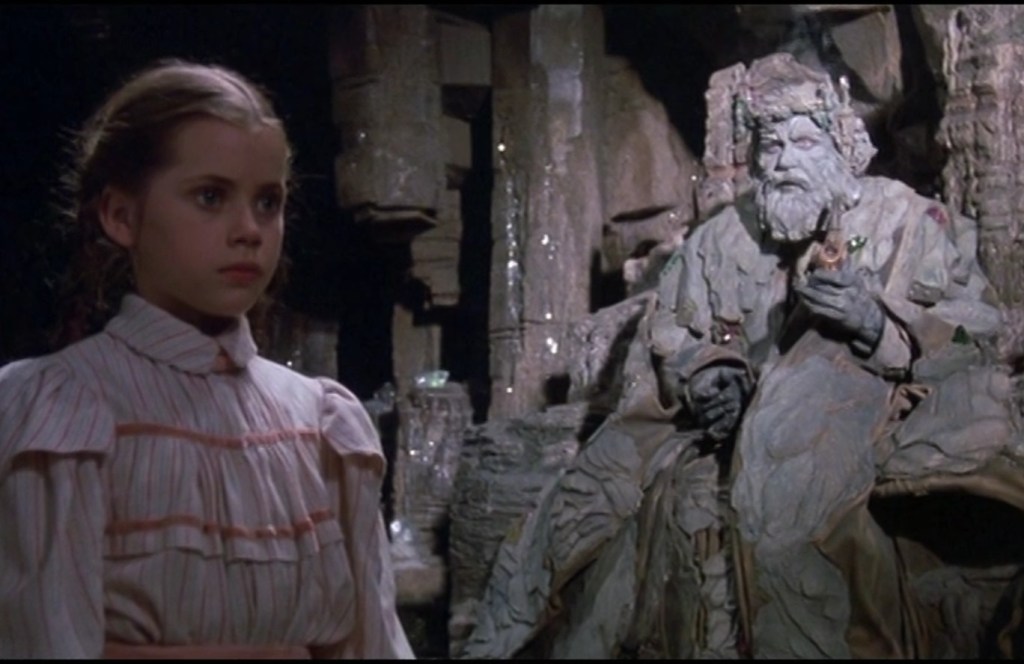
The Nome King is the true big bad of the movie. He is made of stone and lives below his namesake mountain with his hoard of Nomes, creepy Claymation creatures who mostly appear as distorted faces in rocks and walls. They spy on the world above ground, popping up in boulders and other stone surfaces, then reporting their findings back at the mountain.
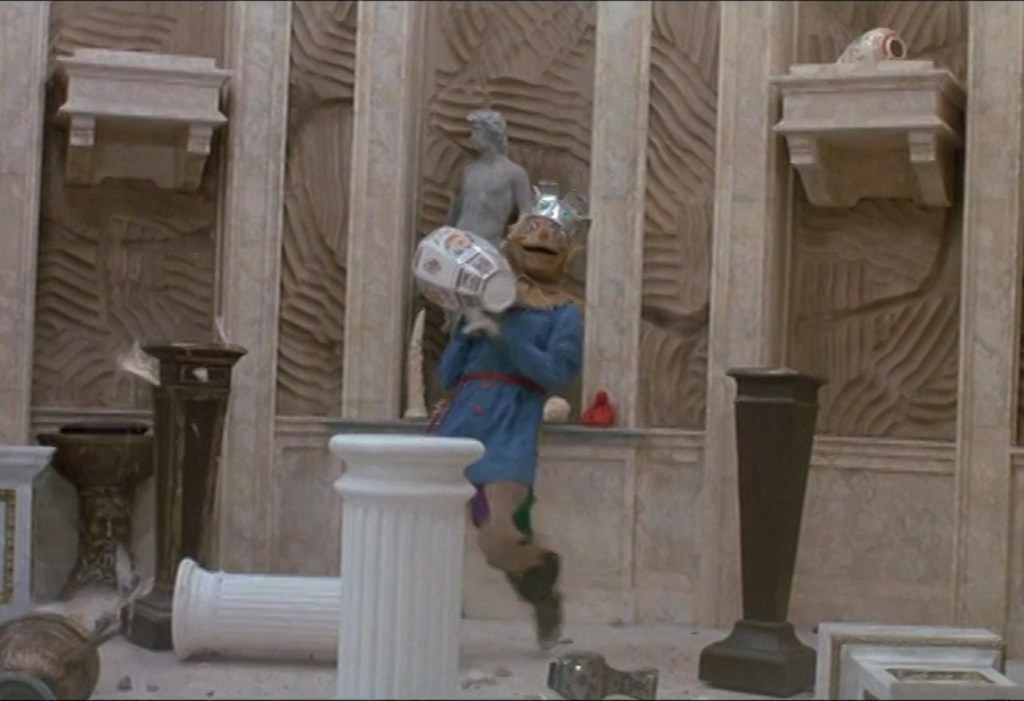
Not only is The Nome King responsible for the total destruction of the Emerald City and turning all its inhabitants to stone, he also kidnapped the Scarecrow and transformed him into an ornament. It turns out that The Nome King is a bit of a hoarder with a serious obsession with knickknacks (and jewels and shoes). He’s even built a series of connected, museum-style salons within his mountain fortress, all filled with antique chairs, tables, porcelain vases, figurines, and other assorted decorative objects.
To ramp up the horror factor, The King decides to torture the captured crew by tricking them into a ‘game’. Dorothy and her friends can win their friend back by entering The Nome King’s ornament rooms and guessing which trinket is actually the Scarecrow. They have three guesses to get it right. If not, they become ornaments themselves. Of course, The King keeps that last detail confidential at first.
One by one the entire gang is turned into knickknacks; and every time someone is transformed, The Nome King grows more human – as if physically absorbing their lifeforce. The subtle yet deliberate physical changes to The Nome King throughout the ‘game’ sequence from full stone to nearly human is masterfully done and wonderfully disturbing.
After all the narrow escapes and over-the-top villainy, the film’s climax is appropriately petrifying. Dorothy ends up finding the Scarecrow (of course) and cracks the code that people from Oz have been transformed into green ornaments (get it, green ornaments = Emerald City). As she continues finding releasing her friends, The Nome King completely loses his mind. The entire mountain starts shaking. Chunks of ceiling fall around them. Fires break out. The knickknacks are flying off their pedestals and shattering. Everyone starts to scream. The implication that some or all of these destroyed ornaments are actually people is not entirely lost on the audience.
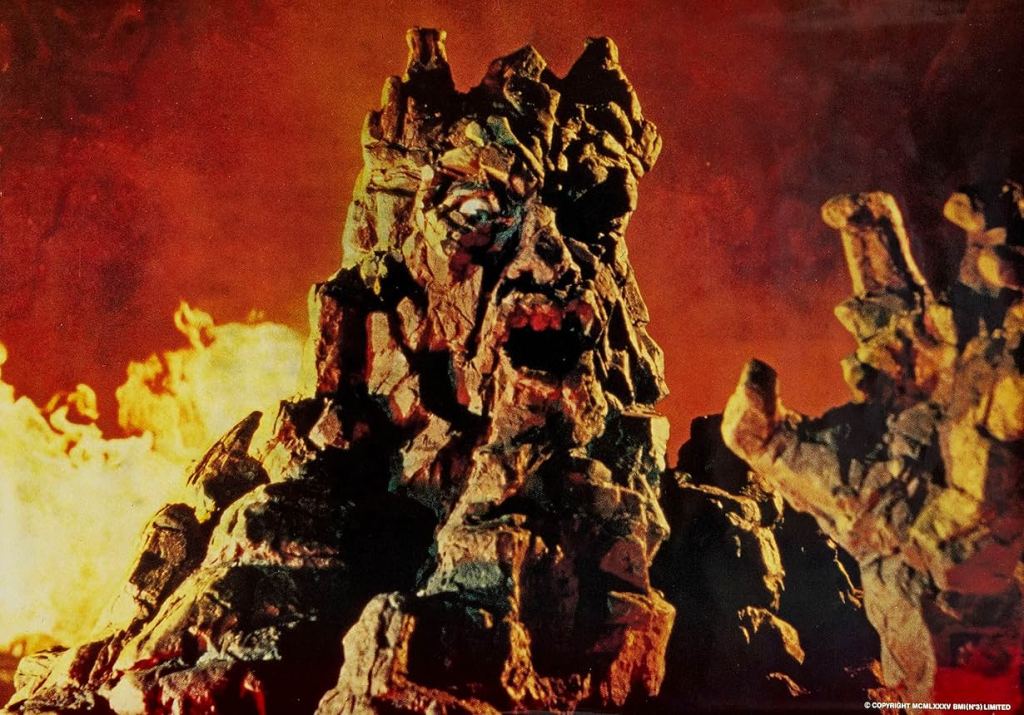
With The Gump, Jack (plus Billina hiding in his head), and the Scarecrow returned to their living forms, The Nome King is back to full stone but now as a 50-foot rock monster with fireballs exploding around him. He towers over our terrified heroes like a mountain rising out of hell. Gargoyle-faced Nomes lurch out of the walls to grab them. When The Nome King attempts to eat Jack, he’s accidentally poisoned when Billina’s egg falls down his throat instead. It’s not a quick death and the audience gets to watch The Nome King slowly dissolve into a lifeless pile of rocks as the other Nomes look on helplessly from the walls.
Watching the movie as a kid, I was terrified, enchanted and completely obsessed. I practically wore out my Return to Oz VHS, and it’s still a movie I like rewatching as an adult. I even named my cat Tik-Tok after my favorite Ozian robot.
Alas outside of my household, Return to Oz did not perform well critically or commercially. It also remains Walter Murch’s only directorial effort, which is a real shame. He took some big risks by leaning into the darker side of fantasy (visually and thematically) while choosing to focus more on the Oz books rather than the 1939 movie musical. And those risks paid off. The film has great pacing, gorgeous sets, and impressive practical effects tied together with memorable characters. Casting an actual 11-year-old girl as Dorothy only adds to the character’s vulnerability and brings real tension to the screen as she fights creatures and adults much larger than she is.
The movie is stylish and entertaining, but more than that, Return to Oz provides a unique entryway into subversive horror. Murch takes a beloved children’s character and places her in a world that should feel happy and familiar, but instead offers only terror and destruction. There are layered metaphors and themes of isolation, depression, and abandonment that feel tailormade for a horror movie. Dorothy also spends nearly every scene being chased or imprisoned by serious villains with incredibly dangerous powers. There’s a constant sense of anxiety from the moment she gets to Dr. Worley’s sanitorium to the final flames under The Nome King’s Mountain.
We’re still in Disney territory, so of course the good guys win. The Emerald City is restored to its full green glory, all the statues are turned back into people, and our friends are safe and sound. Dorothy’s mysterious blonde savior from the asylum even shows up in the finale (not dead! yay!) and reveals she’s actually Ozma, the rightful Queen of Oz.
Even with its happy ending and loose ends tired up, Return to Oz reminds us there is darkness lurking in every rock beneath the glittering surface of the Emerald City – just as it always has. And that’s why we keep coming back.
This poem was originally published in Cicatrix: A Journal of Experimentation in 2017. I wanted to play with the concepts common in erasure poems, exploring both form and formatting by creating space between the words that can be a placeholder for a breath as well as to leave room for both anticipation and surprise. The idea of ink disappearing also plays with the idea of memory – one of the most frequent themes in my work. I loved the idea of ink fading over time the same way memories fade over time, adding another layer of complexity when trying to relive a moment, a story, or a feeling.
This poem originally appeared in Switchback Journal (from the University of San Francisco) back in 2006. It’s part of a small series of poems I started forever ago about expressive gestures. Additional poems from this mini collection include Wink, Smile, and Leer. When I started the series, I was reading ‘The Seventy Prepositions’ by Carol Snow and enamored with the idea of taking a small gesture and diving into it from physical, emotional, and etymological perspective.
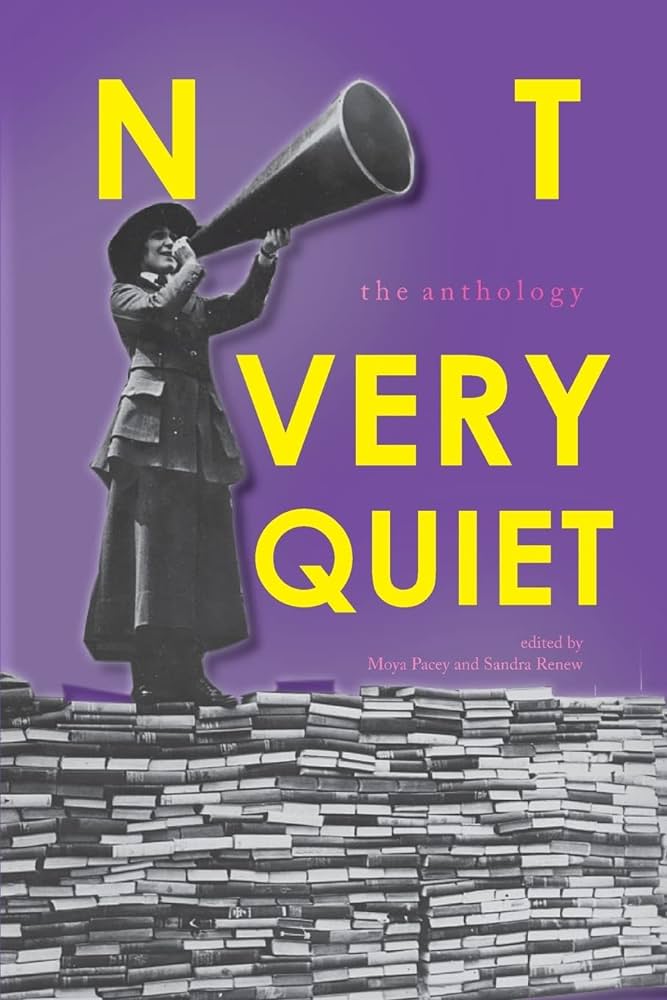
Check out my poem, Pandora’s Kitchen, along with all the other exceptional work from talented poets across the globe in Not Very Quiet: The Anthology, released by Recent Work Press in 2021. You can purchase the anthology directly from Recent Work Press and help support small, independent publishers.
The official anthology description: Over the last five years, from the #Me Too Movement to same-sex marriage, from devastating bush fires to the global pandemic, the online poetry journal Not Very Quiet has dedicated itself to publishing women’s voices from across the globe. Not Very Quiet: The anthology selects poetry that has given voice to the social conscience of the community, constructions of lesbian and queer, the challenges posed to the social construction of gender, as well as the complexities and possibilities of the human condition.





 Allison Goldstein