Wrap it Up: 2025 Reflections

It’s getting down to the wire for end-of-year reflections, and while I am eager as anyone to say goodbye to 2025, it was also a year full of goodness worth celebrating. I had several poems and non-fiction pieces published this year in Saw Palm, Horror Homeroom and Last Girls Club, and got to participate in several poetry readings, including Hollie Hardy’s amazing Saturday Night Special. It’s been years since I performed poetry in front of a live audience, and it was wonderful to be part of a community experience again and restore some of those lost connections.

This year also marked the release of my first poetry chapbook, In The Night, In The Dark (available now from Bottlecap Press), and it still feels surreal knowing I have an actual book out in the world. Like all projects, there is a genuine feeling of accomplishment that comes from seeing something through from ideation to reality. And while publication isn’t the end-all of existence, it was a personal goal to publish a book and I’m just really proud of myself. Full stop. My therapist is somewhere smiling.  

In The Night, In The Dark Poems by Allison Goldstein - Book Cover
Cover Art for Allison Goldstein’s New Poetry Chapbook, In The Night, In The Dark (Available Now from Bottlecap Press)

I also love that my first book is about horror movies. After I finished my MFA in poetry way back in 2006, I really got in my head about what serious poetry books were supposed to be. Of course, I didn’t really write that way and I knew it didn’t matter, but it still did. And I found myself rejecting ideas as too niche or too genre, even when they felt the most authentic to who I am.

And then during the long foggy years of COVID, I realized maybe I should try writing about something I really like instead of what I thought I was supposed to write about. So I wrote a book about something I really like – 20th century horror movies. It’s filled with the scenes, characters, and films that haunt my dreams in the best possible way. And I hope everyone likes it and/or connects with it in some way, but if they don’t that’s ok too.

There is beauty in making and beauty in sharing that is itself always enough. Art is a gesture.

I also got to celebrate the success of several friends this past year, including new books from award-winning writers and equally great people Amanda Chiado (her chapbook of wild, fun, and surreal pop culture prose poems, Prime Cuts is available from Bottlecap Press) and Heidi Kasa (who published her first length poetry book The Bullet Takes Forever and an award-winning flash fiction chapbook, The Beginners in the same year, epic).

I wanted to make 2025 a year of saying Yes as much as possible. Yes, to new opportunities and experiences and people. And I think I got there. Looking forward to even more adventures on the off the page in 2026. I have two other chapbook manuscripts out at contests right now, so who knows what the new year will bring. Thanks for joining me on this journey.

Happy Holidays. Wishing for a Better, More Peaceful World in 2026.
Jane Austen’s 250th Birthday

Today is Jane Austen’s 250th birthday, and I find myself rereading Pride & Prejudice with the same cheerful delight that greets me each time. Her writing style is just so friendly and inviting, like meeting up for coffee with an old friend. I also greatly admire her pacing and how she can dig into the meat of each scene without veering into laborious overdetail. As a poet, I can’t help but love the play of sound she utilizes and how certain words dance on the tongue; but her language is never flowery or pretentious, and doesn’t take itself too seriously.

Beyond her prowess from a technical standpoint, Jane Austen also has the notable distinction of creating compelling characters, who when confronted with their own real and significant flaws, decide to put the work in and fix themselves instead of relying on a romantic partner to do it for them. It’s a Christmas miracle.

Austen’s cleverness is both mind-blowing and ageless across cultures, countries, and centuries. Her literary takedowns still land like drag queen reads 200 years after the fact. And on top of all that, she’s just so funny. The first time I read Jane Austen I was floored by the fact that I was laughing, like really laughing loudly out loud at some of her character eviscerations.

At the most basic level, Jane Austen does a magnificent job of showing us exactly who her characters are, how they grow, and why. This is why the British army handed out Jane Austen books to soldiers during wartime. This is why modern audiences still return to these stories year after year. And why there will always be a new thread on Reddit every week about whether the 1995 BBC mini-series or the 2005 Joe Wright film is the best adaptation (I’m a 2005 girl – excellent boiled potatoes forever), and why we’ll get a dozen new remakes in the years to come. So cheers to Jane Austen, the patron saint of witty women writers, on her 250th birthday.

In continuation of celebrating incredible women writers you should know, please allow me to introduce you to my dear friend and award-winning writer, Heidi Kasa, who has not one but two incredible books that were just released this fall (and make wonderful holiday gifts): her poignant debut poetry collection, The Bullet Takes Forever (Mouthfeel Press), and The Beginners (a flash fiction collection), which won the The 2023 Digging Press Chapbook Competition. The Bullet Takes Forever is a powerful look at gun violence in America, from its inescapable cultural imprint to its devasting impact on a deeply personal level. It’s brave and direct and heartbreaking and energizing. Everyone in America should read this poetry book, and I can’t recommend it enough. Be sure to check out Heidi’s website to learn more about her writing and upcoming reading events: http://www.heidikasa.com.

Heidi’s Books

You can buy The Bullet Takes Forever, by Heidi Kasa from Mouthfeel Press: https://www.mouthfeelbooks.com/product/the-bullet-takes-forever-by-heidi-kasa/78

To buy The Beginners chapbook from Digging Press, visit: https://digging-press.myshopify.com/products/the-beginners-by-heidi-kasa-pre-order

Mark Your Calendars: Two Spooktacular Poetry Readings in October + Official Book Launch

In The Night, In The Dark Poems by Allison Goldstein - Book Cover
Come Celebrate the Launch of Allison Goldstein’s Poetry Chapbook, In The Night, In The Dark (Available Now from Bottlecap Press)

Halloween season is upon us and it’s time for some horror poetry. There’s already been a wonderful reception to my new poetry chapbook, “In The Night, In The Dark” and now I get to give it the spooky launch party it deserves with a full weekend of horror-filled Poetry Readings across South Florida!

That’s right ghouls, not one but TWO book launch events, ensuring that whether you’re a Palm Beach Goth or a Horror Fanatic in South Miami, you can come out, hear some Halloween-approved poetry, talk to me about your favorite horror films and more! Are you ready to step into the dark?

Delray Beach – Official Book Launch & Poetry Reading October 10th at The Hub at Space of Mind

First up is my hometown book launch on Friday, October 10th from 7 – 8 PM at The Hub at Space of Mind (101 NW 1st Ave, Delray Beach). I’ll be reading poems from the book and showing the movie clips that inspired each poem. There will also be a Q&A session and book signing. Books will be available for purchase at the event and I may even have some stickers or other fun surprises in store! So dress up in your spooky best, grab your friend that loves poetry and/or horror movies and kick off Halloween season with a delightfully devilish night in downtown Delray Beach.

Where: The Hub at Space of Mind – 101 NW 1st Ave, Delray Beach, FL 33444

When: Friday, October 10th from 7 -8 PM

The event is free and books will be available for purchase.

Miami – Poetry Reading & Book Signing October 12th at Freak House, Miami’s Premier Goth Boutique

Don’t despair Miami goths, I’m bringing my spooky brand of poetry directly to the source! Join me on Sunday, October 12th from 3 – 4 pm at Freak House (9408 S Dixie Hwy, Miami, FL 33156), Miami’s favorite Goth and Alternative clothing store, for a live poetry reading, Q&A, and book signing event. It’s the perfect excuse to pick up some fiendish new gear while getting inspired for your next horror movie marathon. Grab your best ghoul-friend and meet me in Miami.

Where: Freak House – 9408 S Dixie Hwy, Miami, FL 33156

When: Sunday, October 12th from 3 – 4 PM

The event is free and books will be available for purchase.

See you there!

Sept. Updates: New Author Profile on Wrote a Book, Horror Movie Checklist & Live Readings

We’re fully into Spooky Season now and I’ve been busy decorating my shelves with skulls and potion bottles, working on my Halloween costume (hint, it includes wings), and promoting the perfect addition to everyone’s Fall reading list, “In The Night, In The Dark.”

A few exciting announcements!

I have a new author spotlight up on “Wrote A Book” where I talk about my writing history, process, and how my horror movie poems came together. You can check it out here: https://wroteabook.org/author-spotlight-allison-goldstein-about-in-the-night-in-the-dark/

Bear and Bird Boutique – All you South Florida ghouls already know about TATE’S Comics + Bear & Bird Gallery, it’s Broward’s go-to spot for comics, toys, outsider art, and all kinds of incredible pop culture memorabilia – and now you can find me there too! “In The Night, In The Dark” is available for purchase at both the Bear and Bird Gallery in Lauderhill, FL and Schenectady, NY.

Are you ready to step into the dark? I’m actively working on some live book readings and signings for “In The Night, In The Dark,” just in time for Halloween, including October dates in Miami and Delray Beach. Stay tuned and all will be revealed soon….

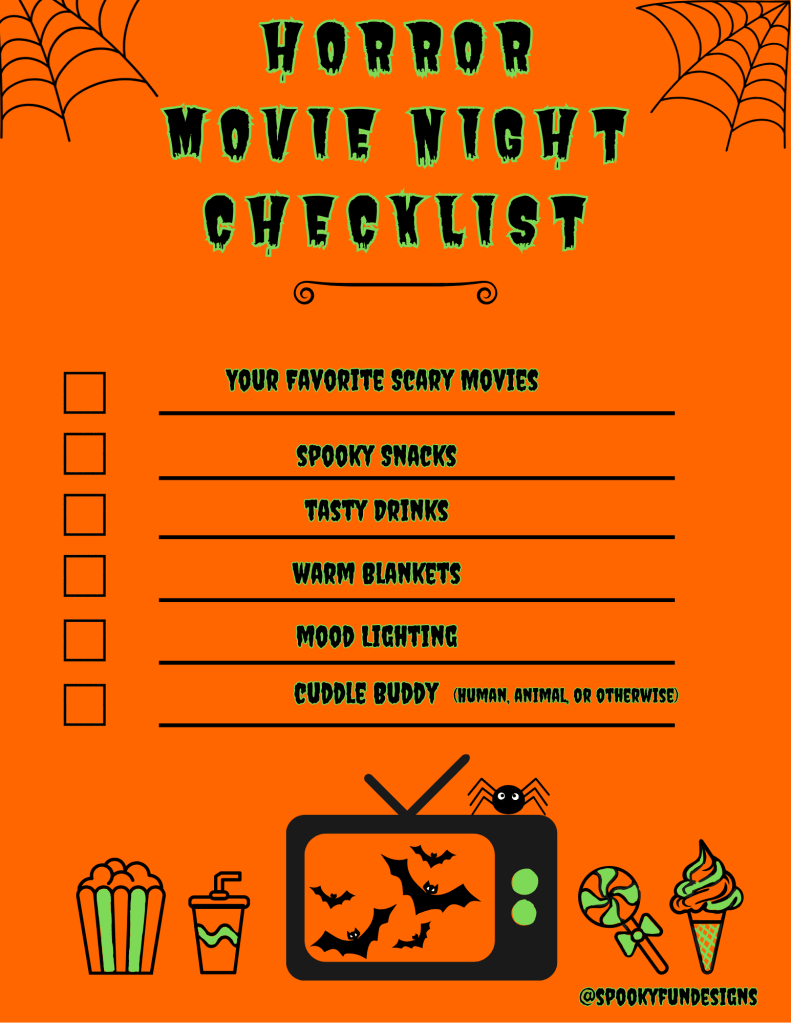
I’ve also been working on some fun Halloween-inspired designs, like this Horror Movie Night Checklist – because the only thing I love more than a spooky to-do list is checking the items off one at a time (so satisfying). What’s your must-haves for a horror movie watch party?

An Ode to Margaret White’s Orgasm Death Rattle

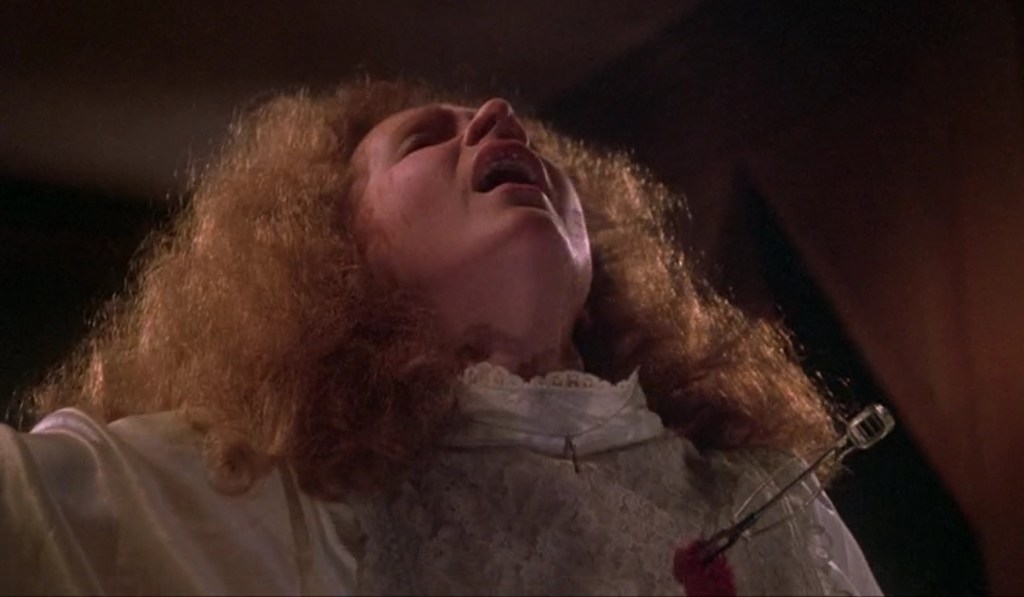
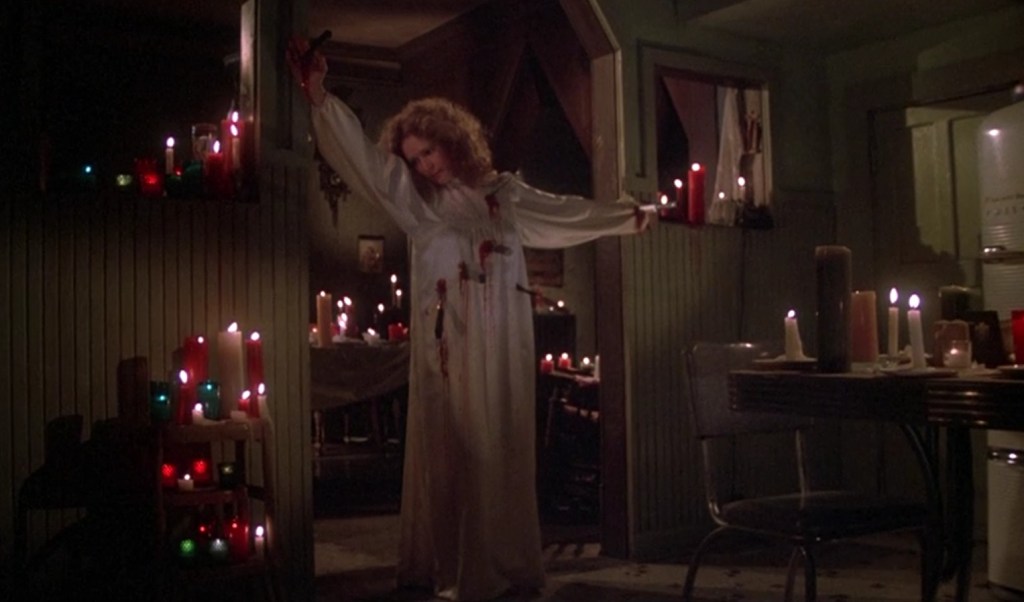
Piper Laurie as Margaret White in Brian De Palma’s 1976 adaptation of Carrie, released by United Artists

Margaret White is a horror icon in life and in death. While several extremely talented actresses have taken on the role of Carrie White’s fanatical mother, no performance has reached the charismatic yet unhinged fever dream of Piper Laurie in Brian De Palma’s 1976 adaptation of Carrie. Laurie’s ability to capture the both the zealotry and otherworldly oddness of Margaret White remains a beacon for horror fans and an enduring pop culture reference nearly 50 years after the movie’s original release.

Pre-production, Piper Laurie famously believed Carrie was a ‘lyrical black comedy’ and not an actual horror film. She couldn’t comprehend that this deranged woman who shouted about her daughter’s “dirty pillows” could be anything but satire. Even if initially misguided, I think this perspective ended up freeing Laurie to explore the frenetic darkness of Margaret White without a need to ground the character in realism—consequently creating a silver screen portrayal that defied genre.

Laurie earned her a second Oscar nomination for transforming Margaret White into a fully-conceived villain that is gleefully over-the-top yet entirely believable. With an untamable mane of hair, dramatic cape, and a sing-songy voice that vacillates between vulnerable and manipulative, her very presence vibrates off the screen with a confidence that seems even more gauche next to Carrie’s overwhelming shyness.

From the moment we see her proselytizing to the neighbors, we know exactly who Margaret White is, and how her religious fervor shapes the way she both perceives and abuses her daughter. Her dogmatism acting as both a mask and a projection of her inner turmoil.

It’s easy write off that kind of character as just another blind Christian fanatic, but Piper Laurie as Margaret White radiates such an intensely felt sense of self that it permeates her religious zealotry. There is an argument to be made that Margaret White is the actual God she claims to worship under another name. Her staunch refusal to engage with reality combined with an unyielding need for control makes Margaret feel more like the leader of her own one-woman cult vs. a humble servant of her professed faith.

**Spoiler Alert**

The culmination of this devotion is realized in Margaret White’s epic death scene. After literally stabbing her daughter in the back, Margaret is given a cinematic end befitting her grotesquely repressed character—being crucified with kitchen utensils (in the style of her beloved St. Sebastian statue) as Carrie burns the house down around them.

When it hurts so good

Side note: Transforming domestic cooking tools associated with nourishment and nurturing into weapons against a negligent mother feels very on point for mid-twentieth century horror.

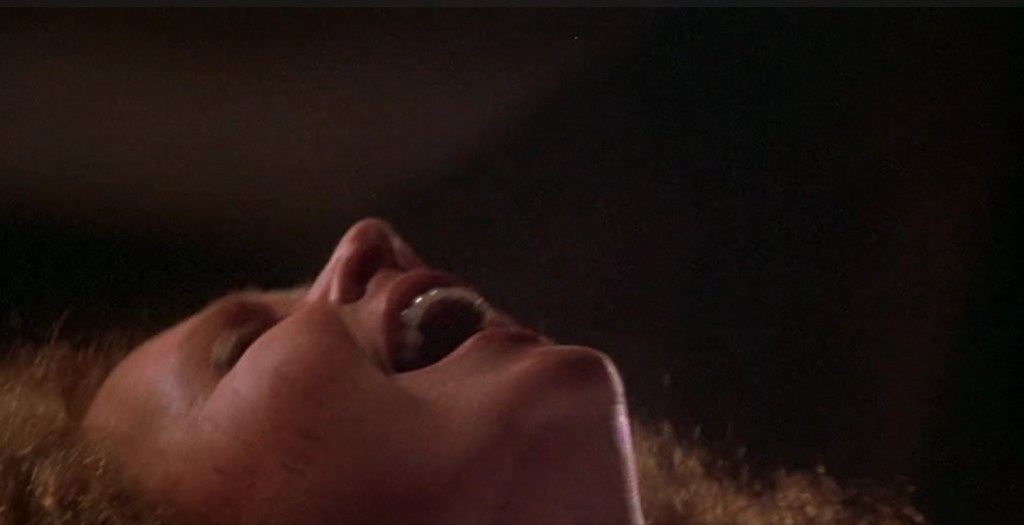
Once the knives and forks go in, Margaret’s wild moaning starts, then her head begins to loll back and forth; opening and closing her eyes as her grunts waver between anguish and ecstasy. And they don’t stop—the euphoric groans only growing deeper and more exhaustive with each breath as Carrie quivers in the corner.

From the penetration of the first flying knife to the moment Margaret’s head finally rolls down onto her shoulder, her orgasmic death rattle lasts not five seconds, not 10, not even 30 seconds, but a nearly incomprehensible 58 seconds. That’s basically a full minute of orgasmic wails and swelling music and Margaret White tossing her head back and forth in sublime ecstasy.

Margaret White thoroughly enjoying her kitchen crucifixion

She doesn’t seem scared or confused or even in significant pain during her crucifixion, to the point where some of the moans almost sound like laughter. And while a minute may not seem like an eternity outside of the movies, in a 98-minute film, Margaret White’s death orgasm is nearly 1% of Carrie’s total runtime. 

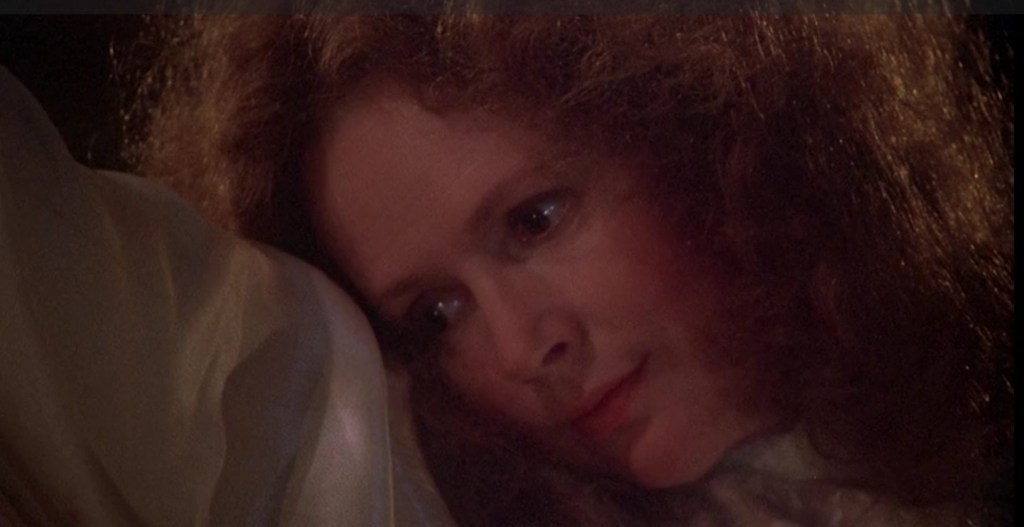
And she dies with a smile

At the end of Carrie, Margaret White is absolutely ready to die, but not before letting out the window shattering, eye-crossing, time-warping orgasm she’s been holding in her entire adult life. This is what happens after decades of pent up, shamed-fueled celibacy. Being crucified by her telekinetic daughter may not have been the way Margaret White envisioned meeting her end, but in Piper Laurie’s hands, she’s more than happy to go out with a smile on her face after the best orgasm of her life. So, who really gets the last laugh?

The end of Margaret White

If You Want to Live

Never go upstairs
or down to the cellar.

Don’t take your clothes off
or investigate the strange noise
at the end of the hall.

Don’t count on the phone working
(any phone)
or the car in the driveway.

Never go to sleep,
even if you make it to sunrise.

Never feel safe,
even with a knife in his chest.

He’s not dead,
just waiting.

Poem by Allison Goldstein

I love horror movies. Is that obvious? I also love writing poems about horror movies, including “If You Want to Live”, which offers some pertinent advice to anyone who happens to find themselves trapped in a horror film. This is definitely a condensed list, so what would you tell someone to help them try to survive a horror movie?

Spooky Summer is Here! I’m Featured in the New Issue of Last Girls Club

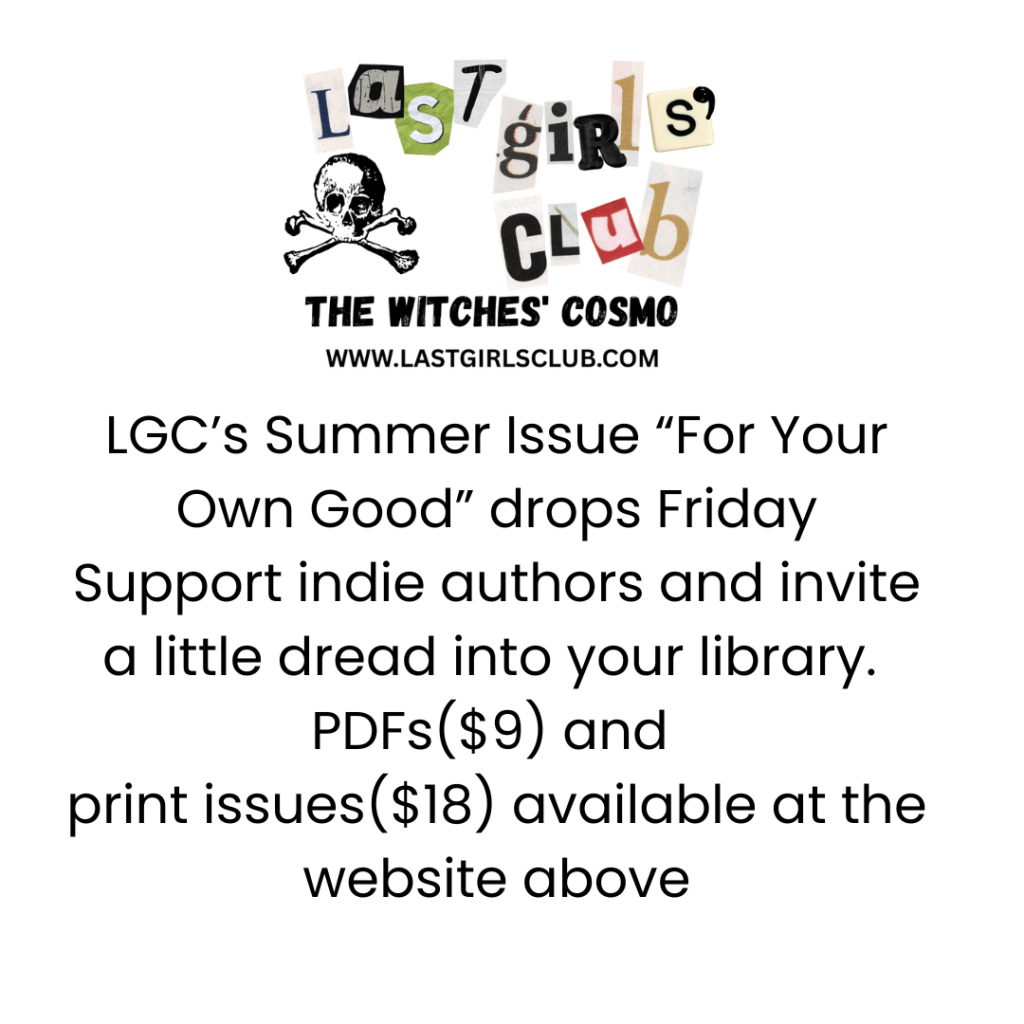
I’m so excited about this one! One of my horror movie poems, ‘Phantom of the Opera’ is featured in the newly released Summer ’25 issue of Last Girls Club. Available in Softcover or PDF, the issue’s theme is ‘For Your Own Good’, so you know you’re in store for some creepy tales and poems sure to send a shiver down your spine. Order your copy today and get your summer spooky on while supporting small indie publishing and feminist horror.

High Camp Revisited: Check Out My ‘Wild Zero’ Review on Homeroom Horror

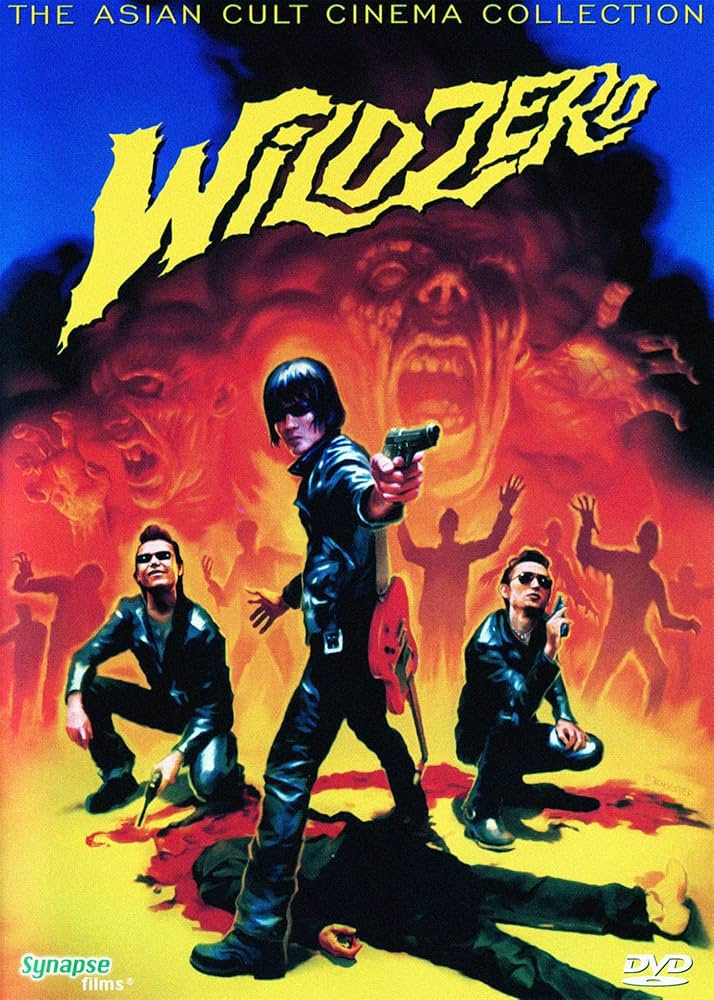
Wild Zero (1999) DVD Cover

I love horror movies. I know this isn’t exactly news, but it’s both true and timely as I am delighted to announce that my new 25th anniversary review of ‘Wild Zero‘ (1999) is now up and ready to read on the Horror Homeroom website!

For those of you unfamiliar, Wild Zero is a wonderfully campy, Rock ‘n’ Roll horror-comedy starring the iconic Japanese punk band, Guitar Wolf. It’s got everything – zombies with exploding heads, CGI alien space ships, a killer soundtrack, and a unexpectedly sweet trans love storyline. I love this movie and I’m honestly sad it never gets mentioned in the pantheon of great zombie flicks, so I’m on a mission to spread the good word. Check out my article on Horror Homeroom and then go stream this overlooked 90s zombie classic today!

Are you already a Wild Zero superfan? Let’s talk about it! Share your thoughts in the comments below.

Math & Poetic Form – The Beauty of Fibonacci Poems

I am poet and not a math person. That’s not to say it’s an inherent flaw with all poets. Most people in general are better at numbers than I am, which I guess is one of the reasons I find them so intriguing. As a concept, complex math exists so far outside my realm of understanding that I can only gaze upon it in awe and remain thankful there are people who can conceive of such wonders.

Poets often have to consider numbers one way or another when addressing form. There’s the 14-line sonnet, the 10 syllables in a line of iambic pentameter, or actual Equation Poetry that invites mathematical symbols and formulas into conversation with a poet’s words. The musicality of phrasing, rhyming structures, meter – math is an essential component of formal poetry. And like all restrictions, creates both structural limits and creative opportunity.

One of the most exciting forms of mathematic poetry are Fibonacci poems. These poems take their structure directly from the Fibonacci Sequence – a numerical series where each new number is the sum of the two numbers that precede it, for example:

0, 1, 1, 2, 3, 5, 8, 13, 21, 34, 55, 89…

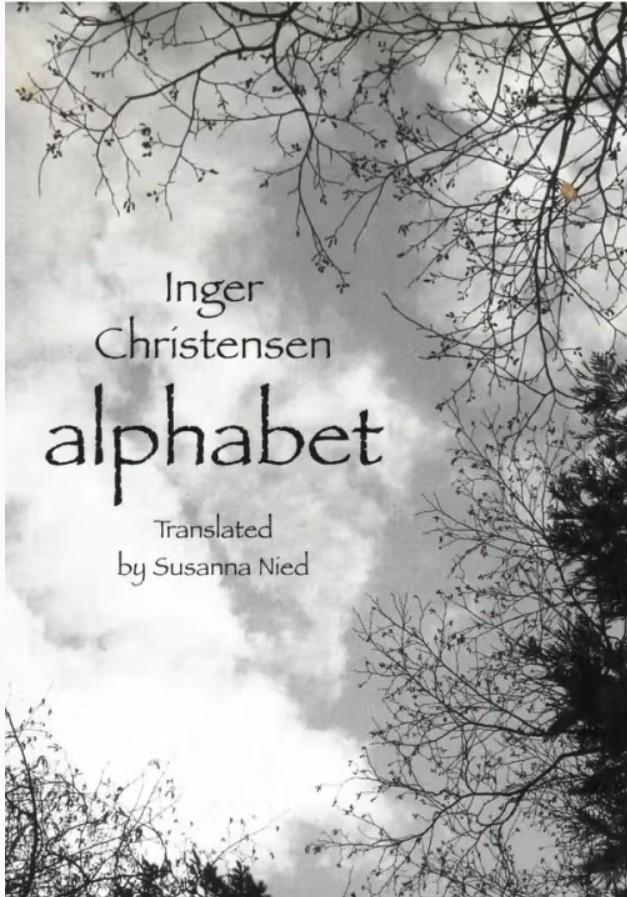
My all-time favorite Fibonacci poem is the famous book “alphabet” by Inger Christensen (translated from Danish by Susanna Nied). It’s a beautifully conceived book-length poem that is both Abecedarian (each line begins with the next letter of the alphabet in sequential order – A, B, C, D, etc.), AND written in 14 sections with each section’s line length dictated by the corresponding number from the Fibonacci sequence. For example: Section 1 of the poem, “A”, has only one line, while the last section of the poem, “N”, has a total of 610 lines.

‘alphabet’ by Inger Christensen, Translated by Susanna Nied (New Directions, 2000)

The poem builds organically, starting with the simple image of an apricot tree – “apricot trees exist, apricot trees exist.” The first few sections of the poem embrace this cadence of repetition and alliteration, naming even more everyday things that exist from blackberries and citrus trees to hydrogen. As each section doubles in line length from the one before it, the poem takes on a natural tension, growing grander in scope both physically and thematically. Suddenly along with ‘early fall’ and ‘elk’, we start to see more abstract ideas like ‘afterthought’ and ‘memory’s light’. These ethereal observations take a more sinister turn by section 7 where “guns and wailing women, full as greedy owls exist…”.

The poem continues to build a world that erupts out of itself, weaving the reader through a complex and mesmerizing tapestry of natural elements and the complexities of the human experience – love, fear, war, death, destruction. And we as the readers are not removed from the equation. We are part of the things that exist and act as a witness to what exists – the beauty and the horror alike.

It’s a wildly successful example of a mathematical form not only supporting the poem visually and musically but reinforcing the very structure of the narrative. The stakes get higher as the lines get longer. The ideas go from granular to metaphysical, starting from that simple image of the apricot tree. It’s complex without being inaccessible and a joy to revisit – even as the darker themes spread their fingers throughout the verse.

My Take on a Fibonacci Poem

When I first read alphabet in the early 2000s, I was inspired to write my own silly version of a Fibonacci Poem by focusing on another anachronistic device – the answering machine. A very long time ago I had an apartment in Oakland with my boyfriend (now husband) Kaleb and our friend Aaron. It had a landline and an answering machine.

Shortly after moving in, we started getting messages for a guy named Jeff, and those messages told the story of a messy breakup between Jeff and Linda. These people were looking for answers they were never going to get – at least not from us. They also never seemed to call while anyone was home. The three of us didn’t know how else to handle the situation, so we changed our answering machine’s outgoing message to break the bad news to all the Jeff and Linda fans. That message inspired the following poem:

The Problem of Answering Machines
(a Fibonacci poem and imperfect response)


no,
we
are not
here right now
to accept your call,
but appreciate your attempt
at communication, well aware that this may not
be enough time to record your intentions, but by reducing our connection to
your name, number, and brief outlining of your purpose for contact, citing specific examples of why this conversation may at all
prove pertinent to our overall wellbeing will be useful in deciding whether or not to return said call in any timely fashion as it relates to what time if any we have in the future to commit—

<beep>

Jeff
and
Linda
do not live
at this machine, they
have told us to say that they will
not be returning your call; they have no new number

and no, he does not love her anymore.

– Allison Goldstein, 2005

The first section of the poem mimics an overly long outgoing answering machine message and follows the Fibonacci Sequence with 0, 1, 1, 2, 3, 5, 8, 13, 21, 34, 55 syllables-per-line.

The poem then resets at the <beep>. The ‘response’ section after the beep also follows the Fibonacci Sequence until the very last line, which doesn’t fulfill the syllable quota and is therefore imperfect (as the title states) to mirror that message that the couple has broken up/disconnected.

Let this be a lesson that it’s fun to play with form – even if you come up with a perfectly imperfect math poem about a technology that hasn’t properly existed in 20 years. Happy writing!

National Poetry Month 2025 – Let’s Celebrate Our Poetic Journeys

April is National Poetry Month and it’s the perfect time to read, write, and celebrate our favorite verse.

Poetry is a celebration, a criticism, a cry into a void. It’s the words that shape our relationship to the world around us – that show us ourselves in a new light. It’s deeply connective and wildly intimate. Poetry is an extension of the self and therefore our experience with it is always personal.

Discovering Poetry

As readers, we have our own unique relationship with the poets that speak to us at specific points of our lives. The poems that remind us who we are (or were) in that moment. The books we reach for when we’re in a bad mood and want to rage with someone. The poems that hold us as we ride waves of grief.  Poems that speak of war and reunion, of loss and remembrance, of hope, desire, nature, rebirth.

Raw or lyrical, narrative or surreal, sincere or fantastic – poetry moves us by mirroring the universal truths that linger around us in all their forms. In the spirit of celebration, I decided to look back at the writers and work that helped form my own poetic voice.

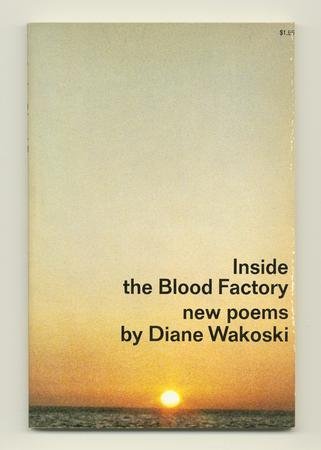
Inside the Blood Factory by Diane Wakoski (Doubleday, 1968)

I spent my teenage years in South Florida pouring over Sylvia Plath, Diane Wakoski, and Anne Sexton – dynamic, vibrant writers that intertwine personal mythology with confessional poetry. The women who taught me that I’m the only one who can tell my story. They compelled me to trust my instincts, to take chances. To lean into my experience as a woman instead of considering it a hinderance. They gave me the courage to put it all down on the page – and the will to make it sing.

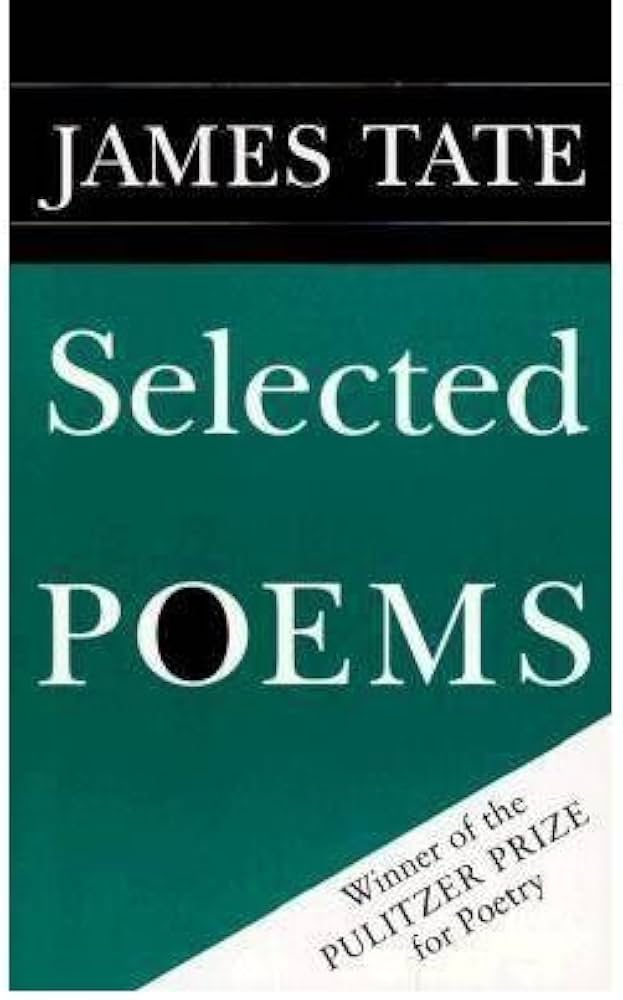
James Tate Selected Poems (Wesleyan University Press, 1991)

When I moved to New York as an undergrad, I dove into the beloved academic poets of the Northeast – John Ashbery, Frank O’Hara, Robert Creely, James Tate. There was a playfulness with form and a subversion of style that felt effortlessly cool. Poems that cut through the noise to broadcast urgency. Poems that move through the absurdities of the world. I swooned at the strength and queer beauty of Adrienne Rich and Audre Lorde, and found new obsessions in modern poets like Anne Carson and Nick Flynn – each of them mediums skilled at channeling the complexities of the human experience.

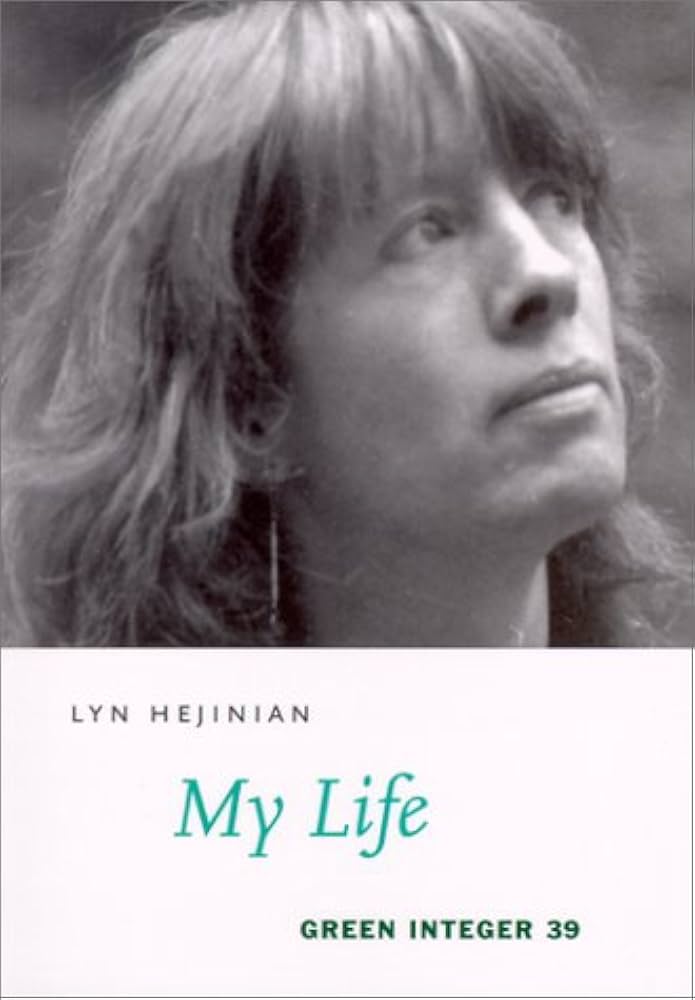
My Life by Lyn Hejinian (Green Integer, 2002)

I switched coasts to the California Bay Area for grad school and found myself thrown into a completely new realm of evocative language poets like Carol Snow, Lyn Hejinian, and Leslie Scalapino, Wild yet constrained – every word choice so precise and purposeful they could have been placed there with chef tweezers. Richard Siken and Tyehimba Jess released their dynamic debut collections and instantly became part of the curriculum. Instead of making it look easy, their poems highlighted just how much work and thought went into each piece. It was intimidating and aspirational. This is what great poetry could be.

This is also the time in my life where art and poetry converged in a more direct way. Poems written in images. Poems written in charts. Erasure poems. Hybrid poems paired with collage. Everything felt overwhelming, like the discovery of a new continent. It was in many ways a rekindling of my original teenage adoration. The idea of possibility.

Read, Write, Transform

These are just a handful of the poets that changed me during very specific timeframes. I’ve lived at least three lives since then. Probably more. The point being that the power of poetry is that it unites people across space, culture, and time – even to a former version of yourself. Poetry is gratitude.

You can read Sappho and understand that desire does not change. You can read an entire novel written in sonnets by Vikram Seth. Or find a new favorite poet on Instagram. You are the culmination of every writer you’ve ever loved. Poetry continually shapes us, that’s why it’s so important.

All of this to simply say: keep reading, keep writing, keep sharing your work. Keep honing your voice. Keep listening. Keep uplifting each other’s voice. Poetry is audacity.

Happy Poetry Month!