
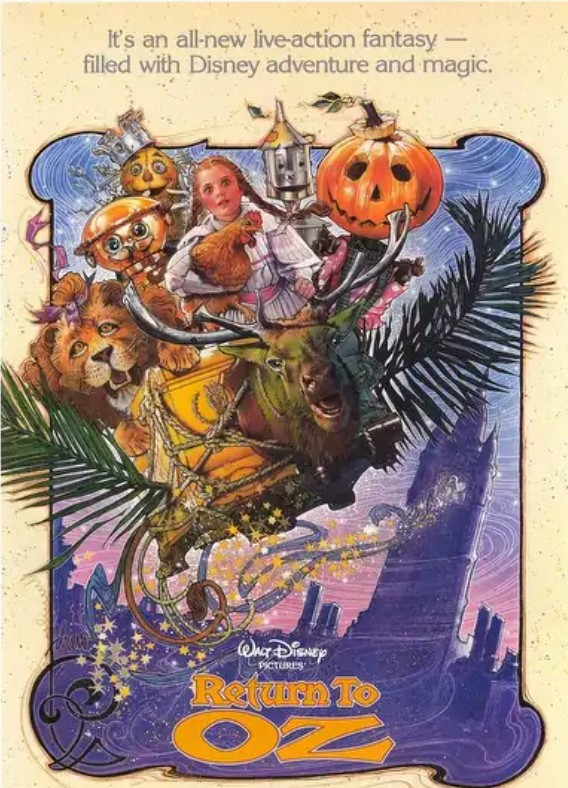
- Directed by Walter Murch
- Based on L. Frank Baum’s Marvelous Land of Oz (1904) and Ozma of Oz (1907)
- Starring Fairuza Balk
- Released by Disney in 1985
- Beware: Spoilers Included
Every horror fan has a gateway film. The movie (or TV show) that alters your brain chemistry until you find yourself with nightly cravings for monster movies, 80s slashers, and supernatural thrillers.
I spent countless weekends as a kid watching horror movies with my dad. He didn’t believe in pesky things like movie ratings, so we bonded over everything from Alien and Tales from the Crypt to The Toxic Avenger. But that wasn’t the start of my horror infatuation, just the outcome. There was also a particularly memorable fourth-grade sleepover watching Night of the Demons (1988) on VHS. The image of Linnea Quigley shoving that whole tube of lipstick directly into her breast is still burned into my psyche, but even that core memory wasn’t the beginning.
My unintended introduction to horror took place a few years earlier, when my parents let their five-year-old, Wizard of Oz-obsessed daughter watch the unofficial 1985 sequel, Return to Oz. While I readily admit that this overlooked Disney classic is a fantasy adventure for children and not a horror movie, it is in fact, 100% a horror movie.
**WARNING – Spoilers Ahead**
Dorothy Gets Admitted to a Mental Asylum
When the film begins, our beloved Dorothy Gale (played by Fairuza Balk) is back on the farm with Aunt Em and Uncle Henry, but she just can’t sleep. It’s been six months since her whirlwind trip to Oz, yet Dorothy lies awake night after night obsessing over the colorful world she found and the friends she left behind.
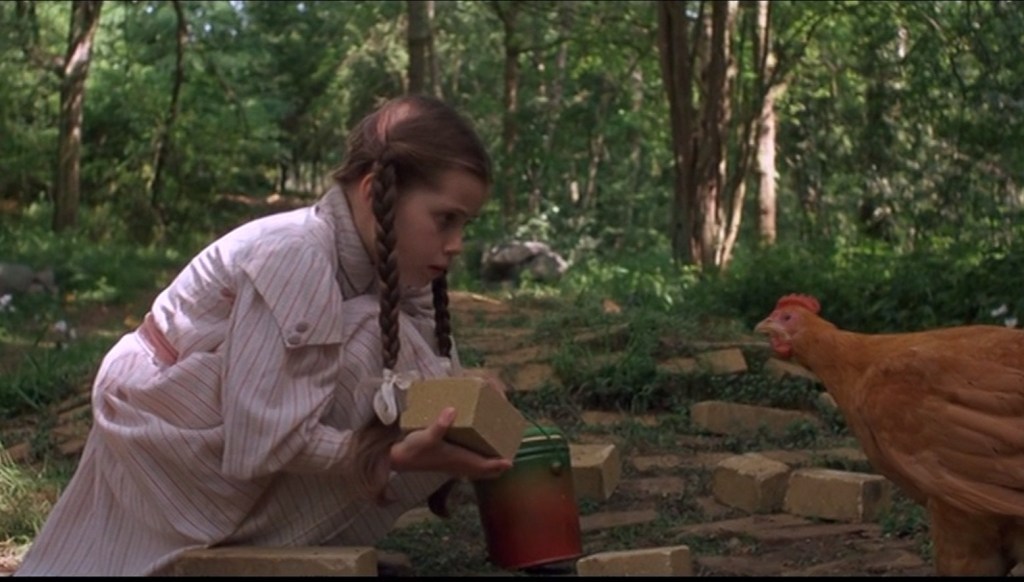
Her disposition is understandable. Unlike 1939’s Wizard of Oz, which was shot entirely on soundstages, the outdoor Kansas scenes in Return to Oz were shot during a gray, freezing October in Salisbury Plain, UK. The result is an authentically bleak atmosphere that would feel right at home in a Robert Eggers film. The family is now completely isolated the farm. There are no nosy neighbors or comical farmhands this time around. Dorothy’s only friends are her dog Toto and a chicken named Billina. Everything around them exists in some depressing shade of beige.
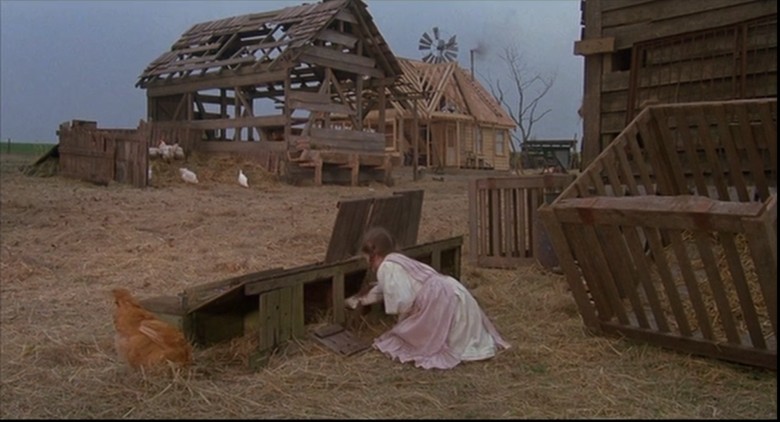
The dreary mood shifts into nightmare territory however when Aunt Em decides the best cure for Dorothy’s insomnia is taking her to Doctor Worley’s Sanatorium of Electric Healing after seeing an ad in the newspaper. Yes, as unbelievable as it sounds, the actual premise of the film is an 11-year-old Dorothy Gale getting locked in an insane asylum and receiving electroshock therapy to remove her ‘delusions’ about visiting the Land of Oz.
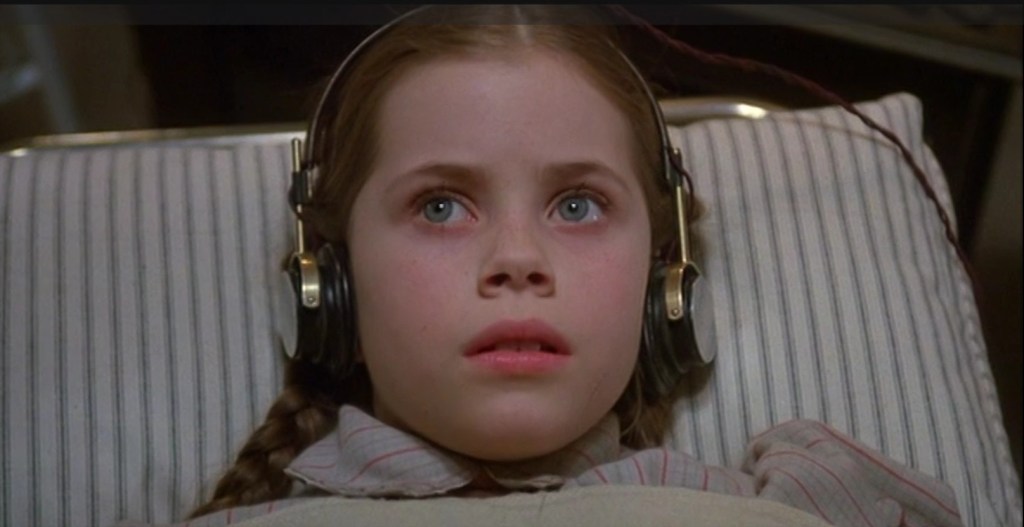
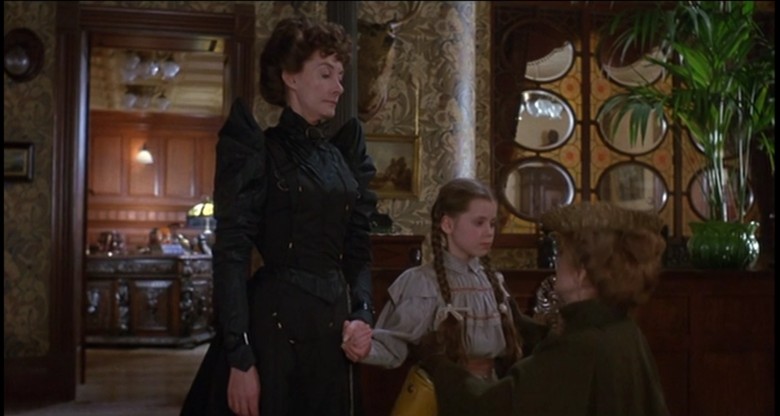
While Doctor Worley’s office is beautifully decorated in textured wallpaper and ornate Art Nouveau furniture, the rest of the sanitorium is cold and eerie, with tall, narrow hallways that instantly make you claustrophobic. The soundscape is equally disturbing. Unseen patients are heard moaning or screaming offscreen, accented by the shrill, squeaking wheels of the orderlies’ gurneys. Cementing the asylum’s creepy ambiance is Nurse Wilson, whose cold, unflinching certainty channels an Edwardian-era Nurse Ratched as she escorts Dorothy to her room.
During a violent thunderstorm, a mysterious blonde girl appears and saves Dorothy just as she is about to get her first electroshock treatment. The two escape into the woods and end up falling into a raging river as Nurse Wilson and the orderlies chase them down. When Dorothy wakes up the next morning she’s magically back in Oz – but this is not the musical Technicolor Oz we saw in the 1939 film. This is something else entirely.
Welcome to Oz – Everything You Love is Gone
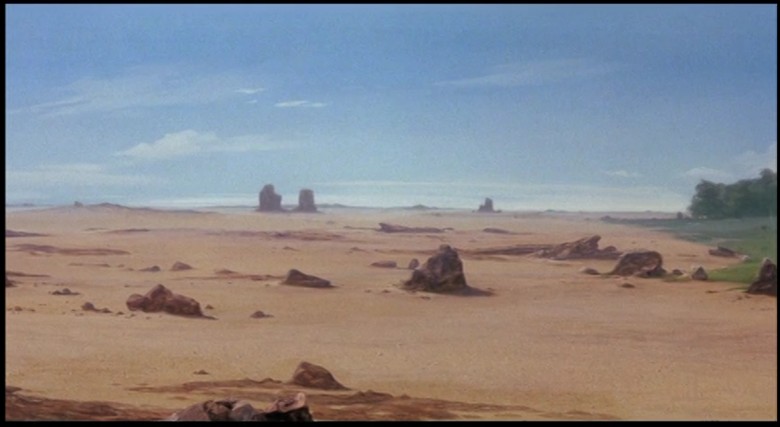
While Dorothy doesn’t murder a witch upon arrival, she manages to land in the other worst possible place – the Deadly Desert. This treacherous domain surrounds the Land of Oz and instantly kills any living thing that touches it. Lovely. To further complicate matters, Dorothy’s mysterious new friend is gone (presumed dead) and replaced by Billina, her favorite chicken from the farm – but now she can talk!
Dorothy cleverly uses a path of rocks to escape the killer sand before coming across another unexpected feature: the last remains of Munchkin Land. Sorry friends, but the munchkins are just gone. No charming thatched-roof houses and spires of colorful flowers. No expository songs with oversized lollipops. Dorothy is greeted by overgrown woods, the rotting remains of her old house from Kansas, and a very broken yellow brick road.
The Emerald City is a Barren Graveyard
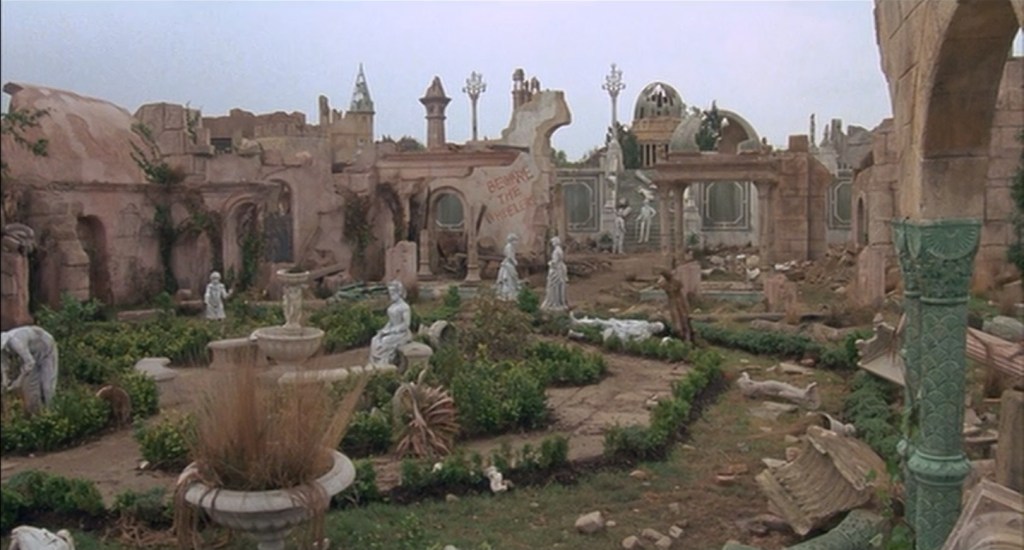
Dorothy follows the broken bricks all the way to the Emerald City (amazingly that takes minutes instead of days this time) and discovers the entire capital in ruins. It looks like a bomb went off. There are no sparkling gems or even intact buildings, only remnants of walls and piles of rubble. If that isn’t devasting enough, all the residents have been turned to stone, including the Cowardly Lion and the Tin Man. The only exception is the Scarecrow – who’s just missing entirely.
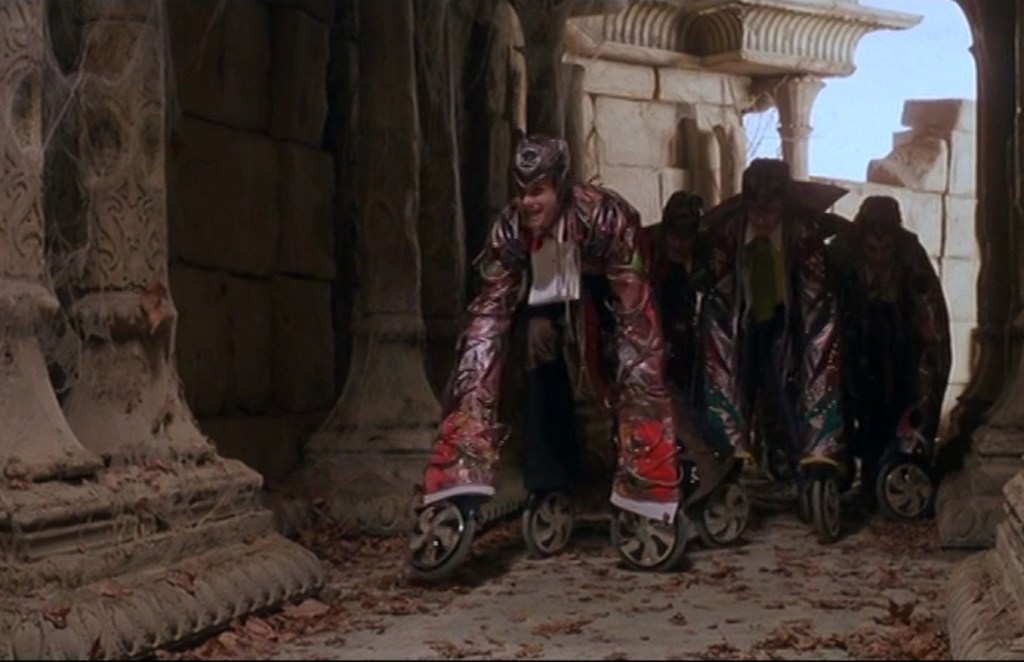
This is also where Dorothy encounters The Wheelers, a murderous gang of demon-masked thugs with wheels instead of hands and feet. They laugh like hyenas and emit a shrill, squeaking noise as chase Dorothy and Billina around the toppled columns and the blank-eyed statues that used to be people. Dorothy eventually escapes them by accessing a secret room at the end of an alley. Luckily, there is one good thing left in this dystopian wasteland and it’s Tik-Tok, the Royal Army of Oz, who was hidden by the Scarecrow during the siege on Emerald City.
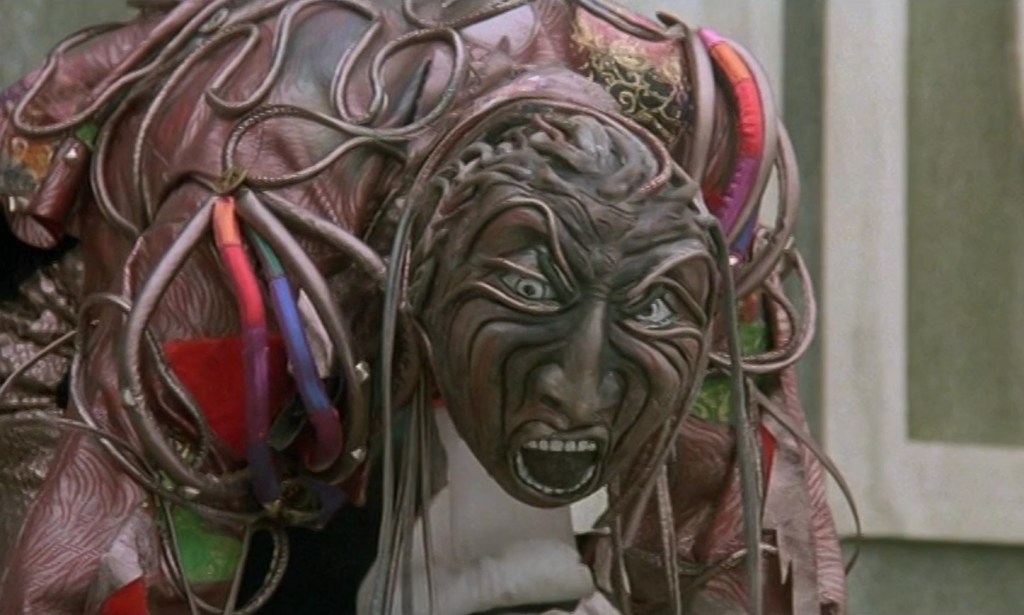
Since Tik-Tok is a robot and technically not alive, he was not turned to stone like everyone else. With his help the trio fight off The Wheelers and arrive at the most terrifying part of the film, the castle of Princess Mombi.
I Scream, You Scream, We All Scream for Screaming Heads
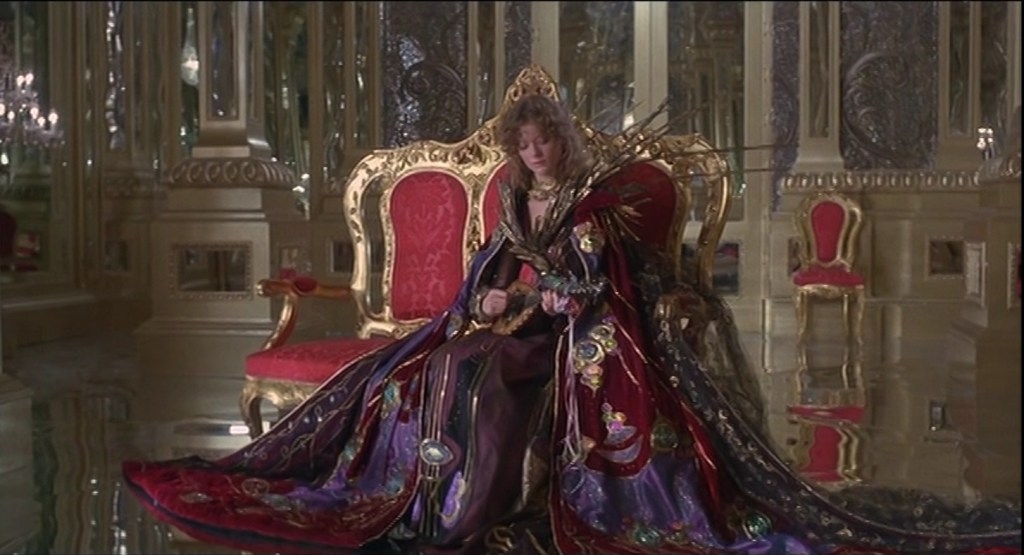
Princess Mombi is the woman who made me fall in love with horror. We first meet the Princess in her castle, ensconced a blinding room of gold and mirrors. Her costume is perfection. She’s draped in yards of expensive fabric, with long gold spikes extending behind her shoulders like gilded porcupine quills. When Dorothy, Tik-Tok, and Billina enter the room, she’s elegantly perched on a red tufted throne that looks straight out of Versailles, solely focused on playing her ribboned lute. She even yawns before extending a limp wrist and asking Dorothy to ‘help her rise’ – an unexpected yet impressive power move.
This calmness of course is just a façade. A way to disarm the trio from guessing her true intentions. All is revealed however when Mombi escorts Dorothy into what I lovingly call the Closet of Heads. This elaborate nook just off Mombi’s bedroom is lined on both sides in elegant cream-colored cabinets with arched glass fronts, each containing a woman’s head propped up on a stand. But these are no war trophies. They are alive. Their eyes are open. They watch Dorothy as she walks through the room. Mombi doesn’t even stop the conversation while swapping the blonde head she walked in with for the raven-haired head from cabinet #4. Changing heads is just like choosing the right wig or hat for each occasion.
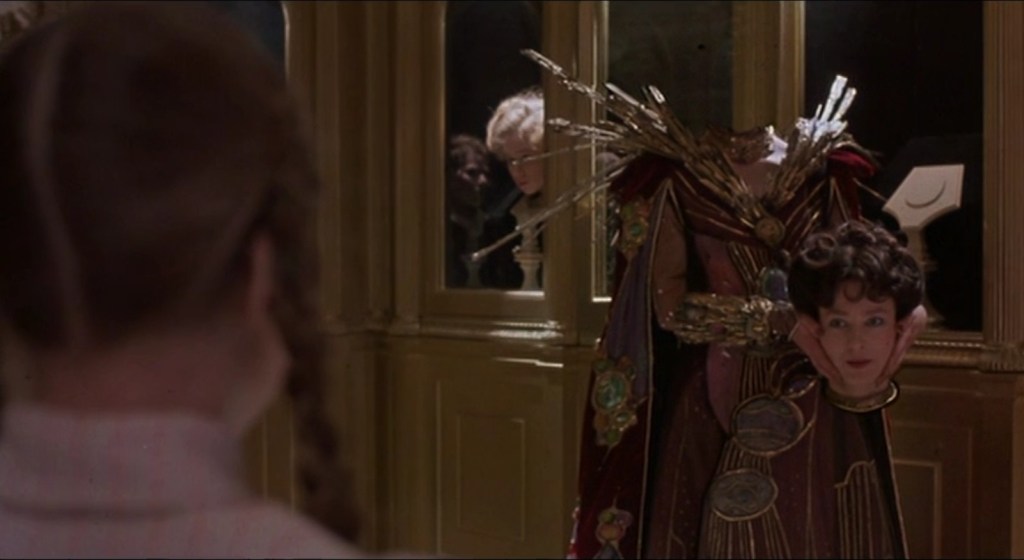
We return to this terrifying closet only a few scenes later. After meeting and adopting the aptly-named Jack Pumpkinhead while locked in Mombi’s attic, Dorothy comes up with a bold escape plan. She just needs to build a living airplane out of a taxidermized gump head, two couches, a broom, and some palm fronds.
Yes, our girl Dorothy Gale goes full Frankenstein in order to escape an evil witch who’s only waiting for her to hit puberty so she can steal her head. It’s a kids movie! And while the full ethical implications will not be discussed here, the idea of bodily autonomy, consent, and obtaining God-like powers of creation are all familiar themes in horror.
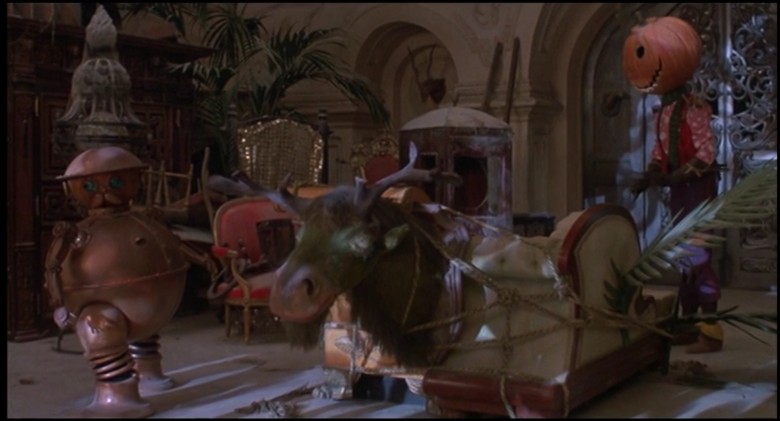
Morality aside, the plan hinges on stealing Mombi’s Powder of Life, which is locked in the mirrored cabinet with her original head. Because this is a horror movie barely disguised as a children’s film, Dorothy accidentally wakes Mombi up during the powder heist. The music swells and Mombi starts shouting ‘Dorothy Gale…’ while her headless body shoots up from the bed and starts running towards the closet. Then all the cabinet heads open their eyes and begin to scream.
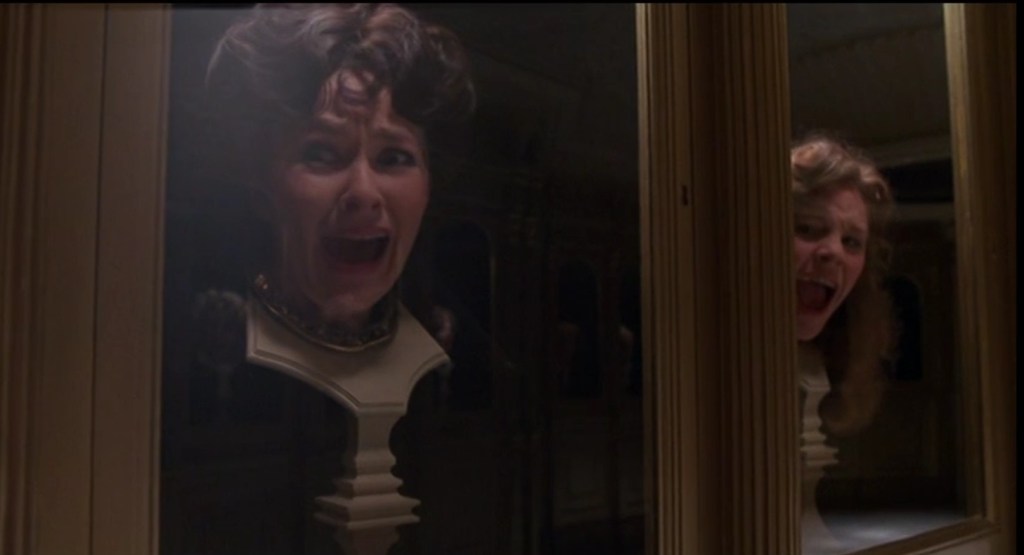
For five-year-old me, the abject terror of those screaming faces created a full-body rush many horror fans recognize. Your heart is pounding. There’s a pit in your stomach. You’re either breathing too much or holding your breath entirely. It’s a full visceral reaction that once felt either puts you off horror forever or keeps you chasing that high like a fear junkie. I was hooked.
The Nome King’s Mountain of Terror
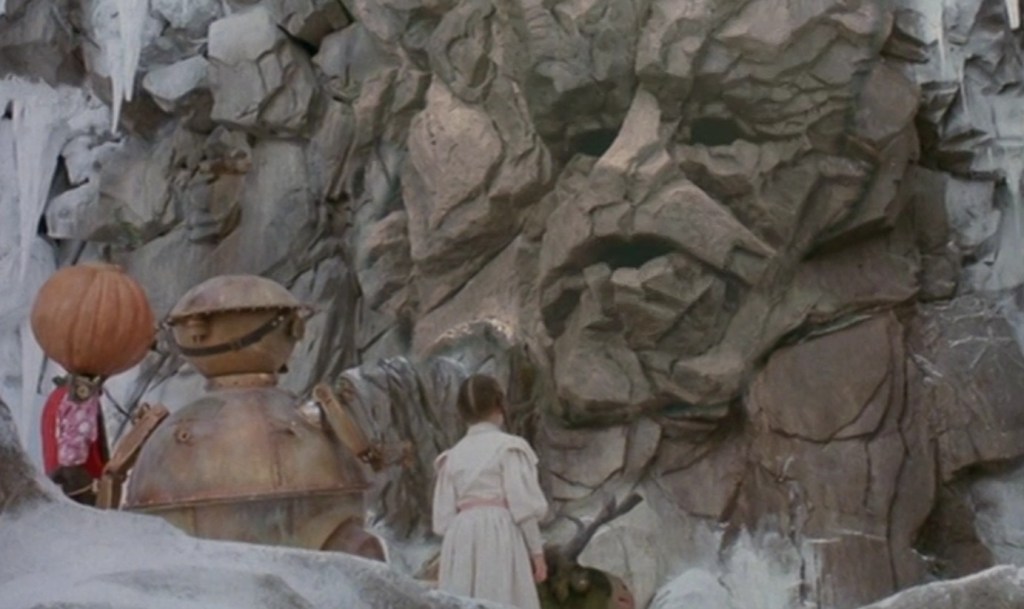
While the screaming heads are the horror apex of the film, I have to mention a few more honestly terrifying moments that take place after Dorothy, Jack Pumpkinhead, Billina, Tik-Tok, and their new vehicle/travel companion The Gump, flee Mombi’s castle and find themselves imprisoned within the Nome King’s Mountain.
The Nome King is the true big bad of the movie. He is made of stone and lives below his namesake mountain with his hoard of Nomes, creepy Claymation creatures who mostly appear as distorted faces in rocks and walls. They spy on the world above ground, popping up in boulders and other stone surfaces, then reporting their findings back at the mountain.
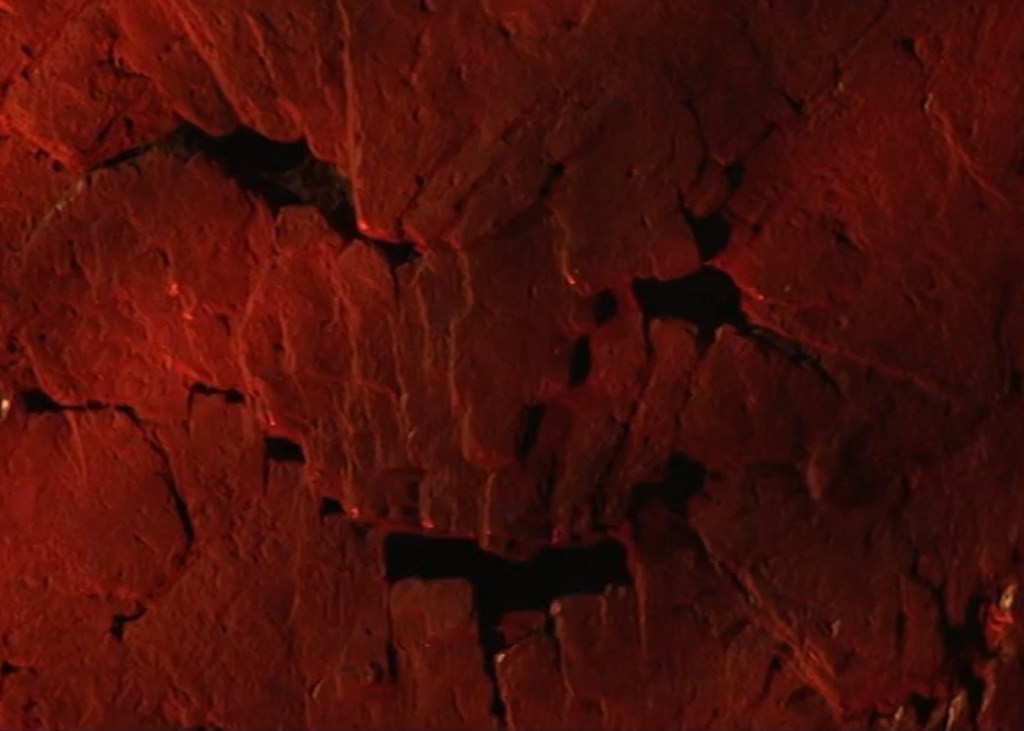
Not only is The Nome King responsible for the total destruction of the Emerald City and turning all its inhabitants to stone, he also kidnapped the Scarecrow and transformed him into an ornament. It turns out that The Nome King is a bit of a hoarder with a serious obsession with knickknacks (and jewels and shoes). He’s even built a series of connected, museum-style salons within his mountain fortress, all filled with antique chairs, tables, porcelain vases, figurines, and other assorted decorative objects.
To ramp up the horror factor, The King decides to torture the captured crew by tricking them into a ‘game’. Dorothy and her friends can win their friend back by entering The Nome King’s ornament rooms and guessing which trinket is actually the Scarecrow. They have three guesses to get it right. If not, they become ornaments themselves. Of course, The King keeps that last detail confidential at first.
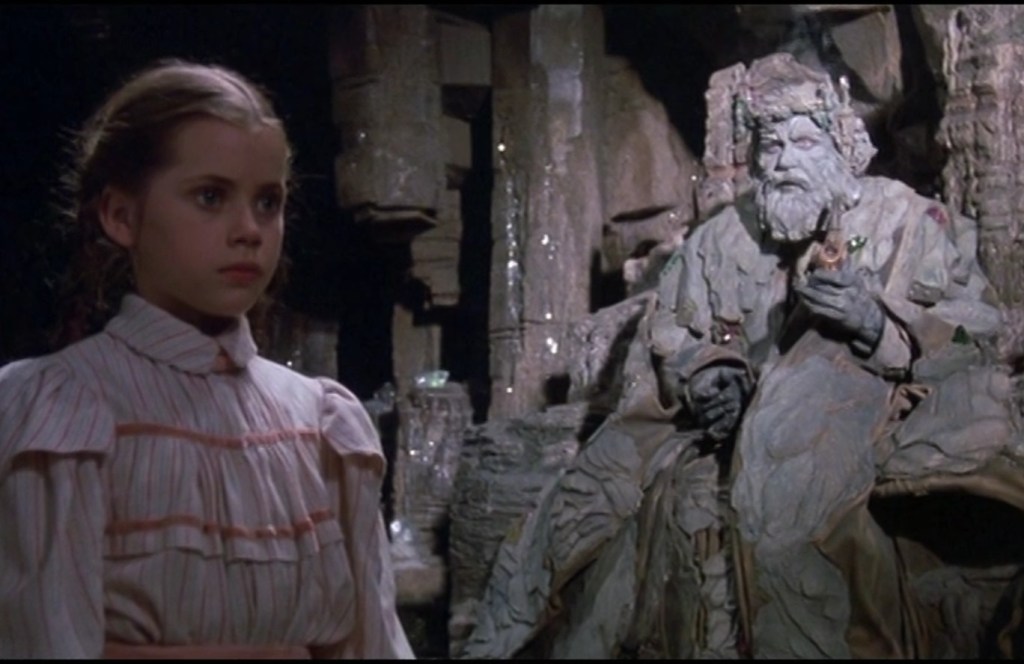
One by one the entire gang is turned into knickknacks; and every time someone is transformed, The Nome King grows more human – as if physically absorbing their lifeforce. The subtle yet deliberate physical changes to The Nome King throughout the ‘game’ sequence from full stone to nearly human is masterfully done and wonderfully disturbing.
The Destruction of Nome Mountain
After all the narrow escapes and over-the-top villainy, the film’s climax is appropriately petrifying. Dorothy ends up finding the Scarecrow (of course) and cracks the code that people from Oz have been transformed into green ornaments (get it, green ornaments = Emerald City). As she continues finding releasing her friends, The Nome King completely loses his mind. The entire mountain starts shaking. Chunks of ceiling fall around them. Fires break out. The knickknacks are flying off their pedestals and shattering. Everyone starts to scream. The implication that some or all of these destroyed ornaments are actually people is not entirely lost on the audience.
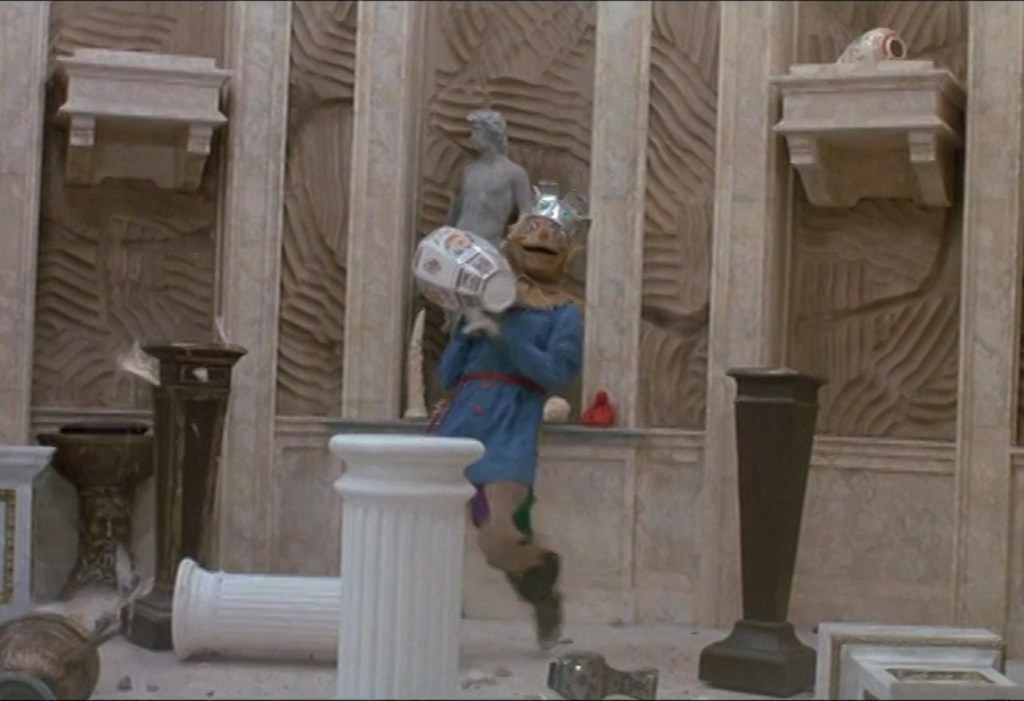
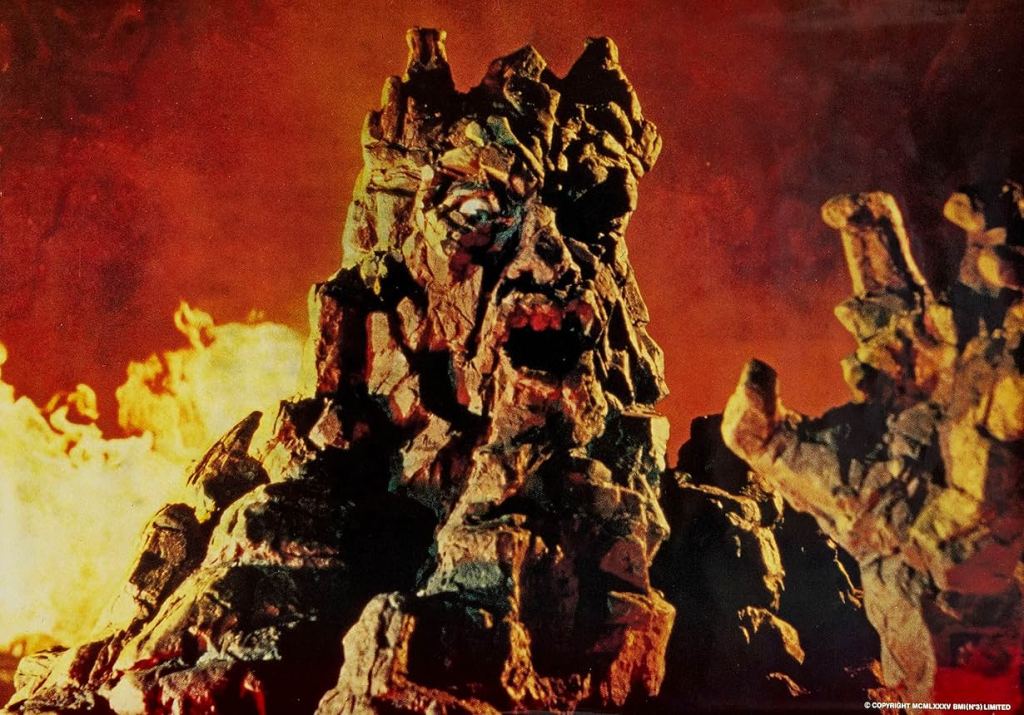
With The Gump, Jack (plus Billina hiding in his head), and the Scarecrow returned to their living forms, The Nome King is back to full stone but now as a 50-foot rock monster with fireballs exploding around him. He towers over our terrified heroes like a mountain rising out of hell. Gargoyle-faced Nomes lurch out of the walls to grab them. When The Nome King attempts to eat Jack, he’s accidentally poisoned when Billina’s egg falls down his throat instead. It’s not a quick death and the audience gets to watch The Nome King slowly dissolve into a lifeless pile of rocks as the other Nomes look on helplessly from the walls.
Fantasy Horror Worth Revisiting
Watching the movie as a kid, I was terrified, enchanted and completely obsessed. I practically wore out my Return to Oz VHS, and it’s still a movie I like rewatching as an adult. I even named my cat Tik-Tok after my favorite Ozian robot.
Alas outside of my household, Return to Oz did not perform well critically or commercially. It also remains Walter Murch’s only directorial effort, which is a real shame. He took some big risks by leaning into the darker side of fantasy (visually and thematically) while choosing to focus more on the Oz books rather than the 1939 movie musical. And those risks paid off. The film has great pacing, gorgeous sets, and impressive practical effects tied together with memorable characters. Casting an actual 11-year-old girl as Dorothy only adds to the character’s vulnerability and brings real tension to the screen as she fights creatures and adults much larger than she is.
The movie is stylish and entertaining, but more than that, Return to Oz provides a unique entryway into subversive horror. Murch takes a beloved children’s character and places her in a world that should feel happy and familiar, but instead offers only terror and destruction. There are layered metaphors and themes of isolation, depression, and abandonment that feel tailormade for a horror movie. Dorothy also spends nearly every scene being chased or imprisoned by serious villains with incredibly dangerous powers. There’s a constant sense of anxiety from the moment she gets to Dr. Worley’s sanitorium to the final flames under The Nome King’s Mountain.
We’re still in Disney territory, so of course the good guys win. The Emerald City is restored to its full green glory, all the statues are turned back into people, and our friends are safe and sound. Dorothy’s mysterious blonde savior from the asylum even shows up in the finale (not dead! yay!) and reveals she’s actually Ozma, the rightful Queen of Oz.
Even with its happy ending and loose ends tired up, Return to Oz reminds us there is darkness lurking in every rock beneath the glittering surface of the Emerald City – just as it always has. And that’s why we keep coming back.

 Allison Goldstein